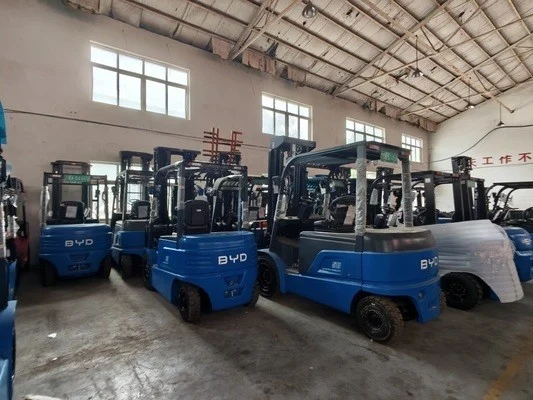
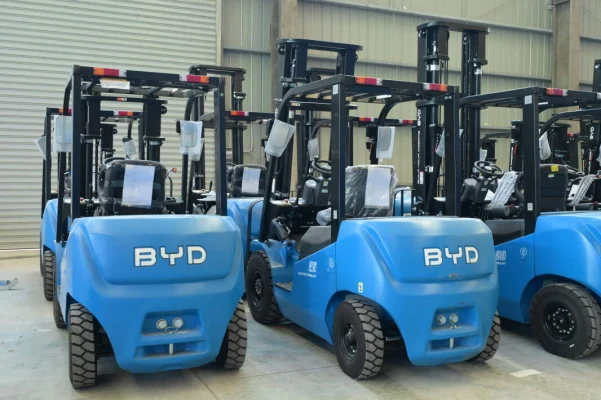
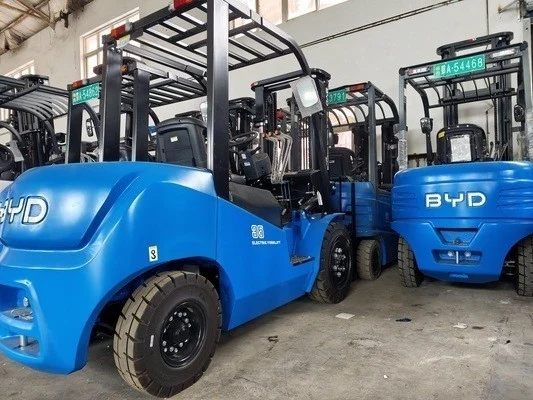
Industrial-Grade Electric Forklifts Available to Match Diverse Operational Load and Site Requirements
News 03/10/2026
Businesses across many sectors need lifting equipment that adapts to their unique daily operations. Industrial-grade electric forklifts deliver consistent power without emissions associated with internal combustion models, making them an excellent fit within indoor and controlled outdoor work. Many operations source these units to match specific load ranges, site layouts, and regulatory requirements that apply to their work spaces.
Core Selection Factors Matching Operational Requirements
Load Capacity Alignment
Industrial electric forklifts come in a wide range of load capacity ratings, from 1,000 kg (3,000 lbs) entry-level units up to 50,000 kg (110,000 lbs) heavy-duty models. Matching capacity to your most common lifted load prevents premature wear, safety risks, and inefficient operation.
Over-sizing a forklift wastes capital on unnecessary power and weight that can damage sensitive flooring. Under-sizing creates constant safety hazards and can lead to unit failure mid-operation. Always document your heaviest regular load, plus add a small buffer to account for unexpected shifts in load weight distribution.
Worksite Adaptation
Different worksites demand different design features. Indoor warehouse operations with narrow aisles need narrow-aisle electric forklifts with compact turning radii. Outdoor yards or construction sites need solid pneumatic tires and weather-sealed batteries to handle uneven ground and exposure to the elements.
Cold storage operations require specialized battery and hydraulic system components rated for sub-zero temperatures. Standard electric forklifts suffer from reduced battery life and stiff hydraulic fluid in cold environments, so specialized units deliver reliable performance in these settings.
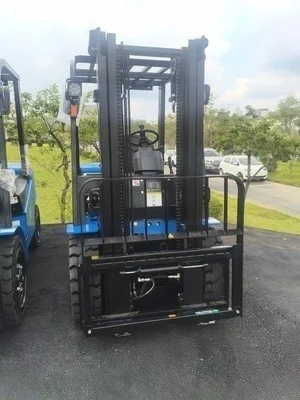
Power Source Options
Most industrial electric forklifts use one of three common battery types: lead-acid, lithium-ion, or gel. Each has distinct advantages and limitations:
- Lead-acid batteries: Lower upfront cost, require regular maintenance including watering and equalizing charges. They work well within single-shift operations where operators can swap or charge batteries during off hours.
- Lithium-ion batteries: Higher upfront cost, require minimal maintenance, support opportunity charging during breaks. They fit multi-shift operations that need consistent uptime.
- Gel batteries: Sealed, maintenance-free, well suited to operations where spill risk must be eliminated. They have lower energy density than other options, so they fit light to medium duty use only.
Common Application Scenarios
Industrial electric forklifts serve many distinct use cases across different industries:
Indoor general warehouse storage: Three-wheel counterbalance electric forklifts work well here, with tight turning radii that fit standard 10-12 foot aisles. They handle common load ranges from 2,000 to 5,000 lbs, matching most palletized goods movement.
Outdoor lumber or building supply yards: Four-wheel pneumatic tire electric forklifts with 8,000 to 15,000 lb capacity handle heavy bulk loads. They eliminate exhaust fumes that would otherwise accumulate in populated yard areas, while delivering enough power to lift large, heavy loads.
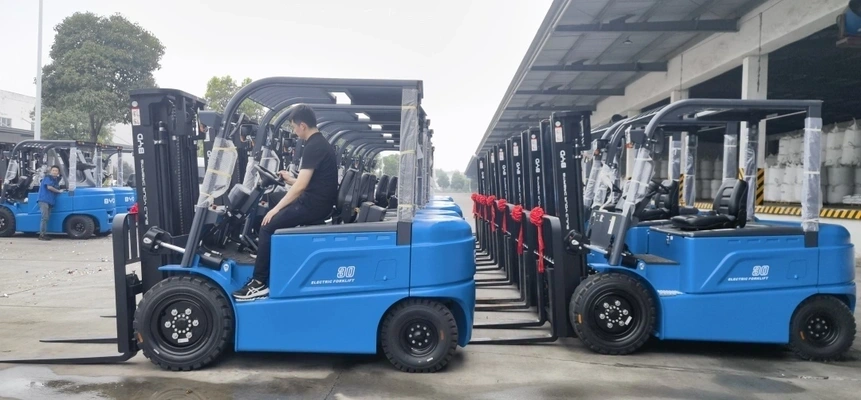
Cold storage food distribution centers: Specialized cold-rated electric forklifts maintain consistent performance even at -20°F temperatures. They eliminate exhaust that can contaminate food products, making them a great choice within this sensitive environment.
Heavy manufacturing: High-capacity electric forklifts move large equipment components and finished goods within manufacturing facilities. They deliver smooth, precise control that reduces risk of damage to expensive high-value components.
Key Limitations to Consider
Electric forklifts do not fit every operational need, so consider these limitations before making purchasing decisions:
- Charging infrastructure requirements: You need dedicated, properly installed charging stations matching your battery type to support safe, reliable operation. Lithium-ion units require higher capacity electrical connections than older lead-acid models.
- Upfront cost: Most electric forklifts carry higher initial purchase prices than comparable internal combustion models. Total cost of ownership often evens out over time due to lower fuel and maintenance costs, but initial capital outlay remains higher.
- Weather exposure limits: Standard electric forklifts do not handle prolonged exposure to heavy rain or standing water well. Extreme outdoor conditions can damage electrical components unless units are specifically rated for wet environments.
- Run time limits: Even fully charged high-capacity batteries cannot support 24/7 operation without regular charging or battery swaps. Multi-shift operations need multiple batteries or fast charging infrastructure to maintain uptime.
Frequently Asked Questions
What weight ranges do industrial-grade electric forklifts cover?
Standard models cover 1,000 lbs up to 15,000 lbs for most common operations. Specialized heavy-duty industrial models reach up to 110,000 lbs capacity for extremely heavy loads such as steel coils or large industrial equipment. Always confirm capacity ratings from the manufacturer before finalizing any purchase.
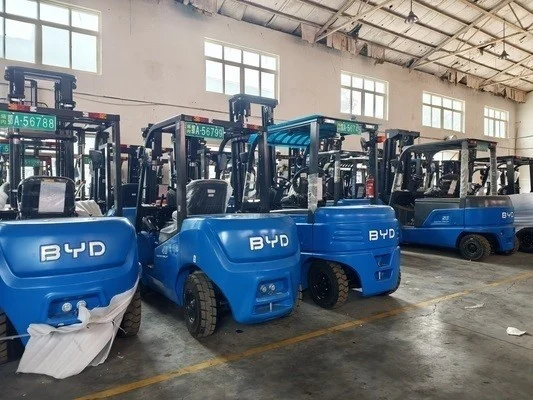
Can industrial electric forklifts work outdoors?
Yes, as long as you select models specifically designed for outdoor use. These units feature sealed electrical components, solid pneumatic tires, and reinforced chassis that handle uneven ground and light to moderate weather exposure. Prolonged exposure to extreme wet or cold conditions still requires additional specialized ratings to ensure reliable long-term performance.
What maintenance do industrial electric forklifts need?
Maintenance requirements vary by battery type. Lead-acid batteries need regular watering, monthly equalizing charges, and terminal cleaning to maintain performance. Lithium-ion and gel batteries require almost no regular maintenance beyond general inspection. All electric forklifts need regular brake, tire, and hydraulic system inspection just like any other material handling equipment.
How do I match a forklift to my aisle width?
Measure your narrowest working aisle first, then share that measurement with your supplier. Standard counterbalance forklifts need aisles 10 to 12 feet wide. Narrow-aisle models work in aisles as narrow as 8 feet, and very narrow-aisle (VNA) models operate in aisles under 6 feet. Select the smallest possible turning radius that fits your load capacity needs to maximize your available storage space.
Final Selection Guidance
Start your sourcing process by documenting all your core operational requirements: maximum load weight, most common work environment, aisle width, number of daily operating hours, and any regulatory requirements that apply to your site. Use these details to narrow down available options that match all your critical needs, then compare total cost of ownership including initial purchase price, maintenance, and infrastructure costs to make your final decision.