Upgrading Legacy Fork Lift Truck Fleets With Collision Avoidance Technology To Improve Workplace Safety
News 20/10/2026
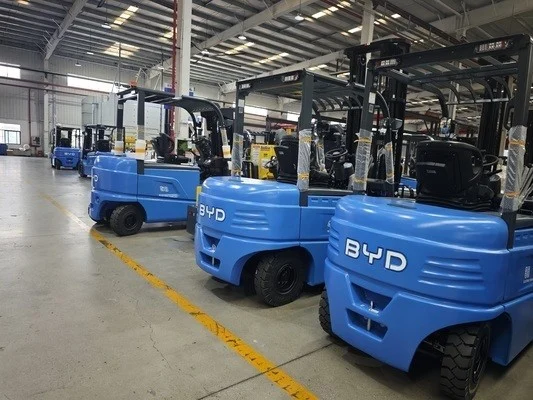
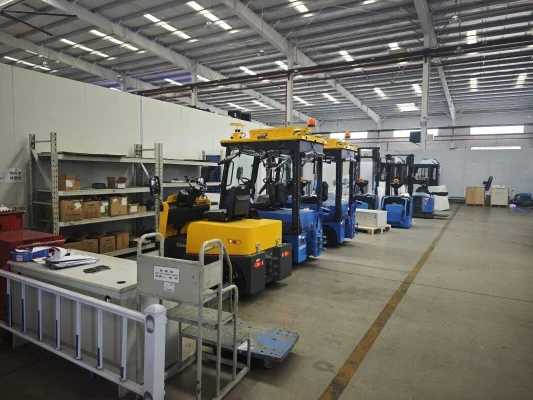
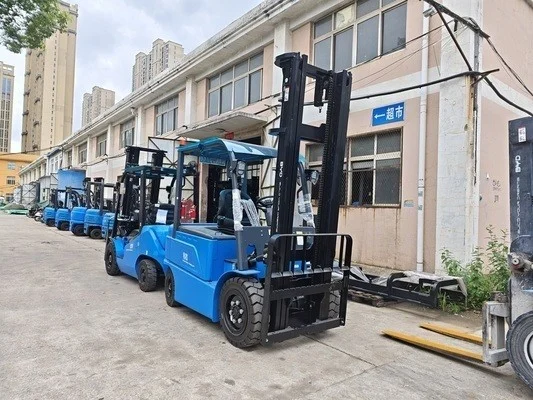
Many facilities operate aging fork lift truck fleets and look to boost existing safety standards without full fleet replacement. Adding aftermarket collision avoidance technology addresses key collision risks in busy work environments, but successful upgrades require careful planning around legacy equipment constraints.
Core Pre-Upgrade Considerations
Not all legacy fork lift truck units support easy integration of modern collision avoidance systems. You must assess key factors before committing time and budget to any upgrade. You also need confirm all local workplace safety regulations cover aftermarket upgrades installed on legacy equipment, some regions require formal inspection after any modification to industrial vehicles.
Fleet Compatibility Checks
Legacy fork lift trucks vary widely in production year, electrical system output and available mounting space. Most collision avoidance systems draw power from the vehicle on-board battery. You must confirm your unit output matches system power requirements before purchase. Many older compact fork lift truck models lack open mounting space matching sensor size requirements. Narrow mast designs or crowded dashboards may require custom mounting solutions, which add extra cost.
Remaining Service Life
You should align upgrade cost with how long you plan to keep each unit. If a legacy fork lift truck reaches end of its service life within two years, upgrade investment may not deliver enough value to justify expense. Prioritize upgrades on units remaining active five years or longer.
Key Implementation Steps
Structured implementation reduces unplanned downtime and ensures systems work as intended across your fleet. Follow these core steps:
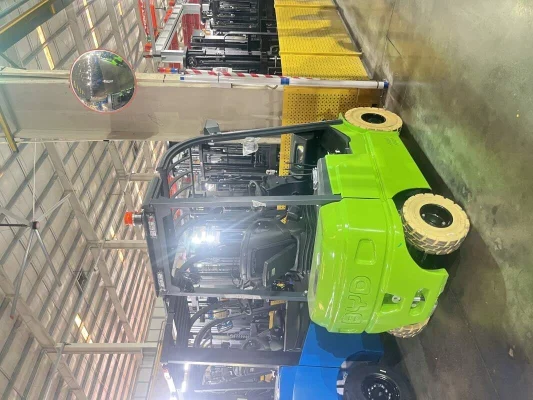
- Map site high-risk zones first: Mark all facility blind intersections, narrow aisles and frequent pedestrian crossing areas. Adjust sensor range and calibration settings to match these high-risk zones, ensuring maximum detection in areas most likely to see collisions.
- Select sensor type matching your work environment: Common options include ultrasonic, laser and vision-based sensors. Ultrasonic sensors work well in dusty or dirty environments, while laser sensors deliver higher detection accuracy in clean, open spaces. Vision-based sensors identify object types but carry higher upfront cost.
- Run small-scale pilot tests: Install systems on one or two high-usage units first. Collect operator feedback on alert volume, placement and response times. Adjust settings before rolling out across your entire fleet.
- Train all operators on system use: Operators must understand alert logic and know how to respond to system warnings. Many teams make the mistake skipping training, leading operators to disable alerts out of frustration.
Common Limitations of Aftermarket Upgrades
Aftermarket collision avoidance upgrades deliver clear safety benefits, but they carry inherent limitations compared to factory-integrated systems on new fork lift trucks.
First, aftermarket systems never match the seamless integration of factory-built units. Loose wiring or custom mounting can increase vulnerability to damage from regular vehicle vibration common on legacy units. This means you need more frequent calibration checks to maintain detection accuracy.
Second, environmental constraints affect system performance. If your facility operates under extreme temperature or high humidity conditions, you must confirm system IP ratings match your environment requirements. Standard off-the-shelf systems may not hold up under harsh operating conditions without extra protection.
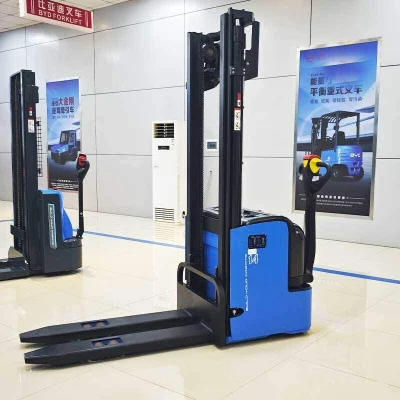
Third, upgrades do not address other safety issues common on legacy fleets. Worn brakes, poor visibility from damaged cab windows or outdated lighting remain risks even after you add collision avoidance technology. You must complete all standard maintenance and safety repairs before installing new systems.
Frequently Asked Questions
Can collision avoidance technology eliminate all fork lift truck collisions?
No. Collision avoidance systems add an extra layer of safety protection. They cannot replace safe operating practices or comprehensive operator training. Systems rely on consistent calibration and correct use to deliver intended benefits.
How much time does installation take per legacy unit?
Installation time varies based on your fork lift truck model and system complexity. Most standard installations take one full business day per unit. Complex custom setups require additional time. Confirm timelines with your installation provider before starting work.
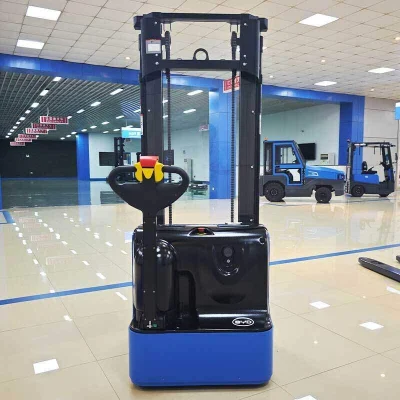
Can I move installed collision avoidance systems to new fork lift trucks when I retire legacy units?
Many aftermarket systems support removal and reinstallation. You must confirm compatibility with new vehicle electrical systems and mounting requirements before moving units. Some sensors suffer minor wear during removal, which can reduce detection accuracy after reinstallation.
Successful upgrades deliver meaningful safety improvements when you plan around your fleet existing capabilities. Always verify all compatibility requirements with system providers before making purchase decisions, and align upgrade scope with your facility specific safety goals.