Different Size Forklifts: Checking Lift Height, Load Center, and Attachment Impact Before You Specify a Four-Wheel Counterbalance Electric Forklift
News 22/10/2026
When you search different size forklifts, you likely focus on rated load capacity first. But three underrated factors — maximum lift height, load center distance, and your planned attachments — directly impact whether your selected four-wheel counterbalance electric forklift works safely and efficiently on your site. This guide walks through each critical check, common missteps, and clear selection guidance.
Core Size Categories: What Changes Across Different Four-Wheel Counterbalance Electric Forklifts
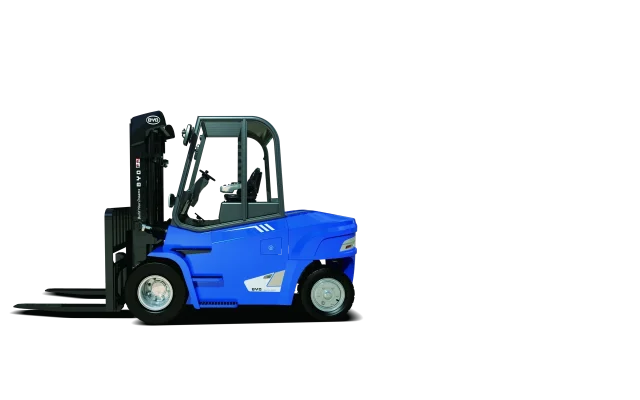
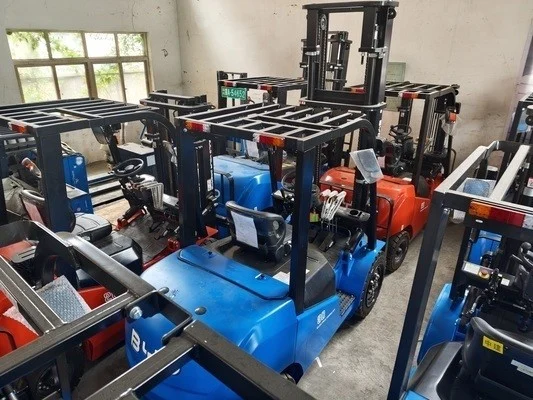
Four-wheel counterbalance electric forklift size groups typically sort based on rated load capacity and overall footprint. Compact units carry 1 to 3 metric tons, and their smaller overall dimensions fit tighter work spaces. Mid-range units handle 3 to 8 metric tons, and serve as common general-purpose units across manufacturing and storage sites. Heavy-duty units support loads over 8 metric tons, built specifically to handle heavy freight and industrial loading docks.
Size does not only refer to load capacity. A 3 ton compact unit has a narrower overall width and shorter wheelbase than a 3 ton unit built to handle heavy-duty cycle use. These differences directly affect minimum aisle width requirements and maneuverability in confined areas.
How Lift Height Changes Effective Load Capacity
Rated load capacity printed on a forklift nameplate applies to a specific maximum lift height. As you increase lift height beyond that base level, your unit’s effective load capacity drops.
The mast tilts and the center of gravity shifts upward as you raise loads. Higher lift heights reduce overall stability, so manufacturers lower allowable load weights at greater lift heights. A 3 ton compact four-wheel counterbalance electric forklift with a 3 meter base lift can drop to 2.2 tons effective capacity when you raise the load to 6 meters.
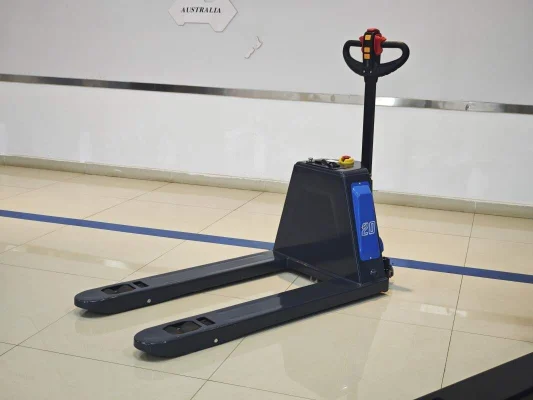
Always request the manufacturer’s full load capacity chart that covers all available lift height options your unit supports. You also need to check collapsed mast height, which determines whether your unit can fit through standard entry doors on site.
How Load Center and Attachments Alter Size Requirements
Standard load center distance measures 500 millimeters on most four-wheel counterbalance electric forklifts. This marks the horizontal distance from the vertical face of the forks to the center of gravity of your load. Any deviation from this standard changes your unit’s effective capacity.
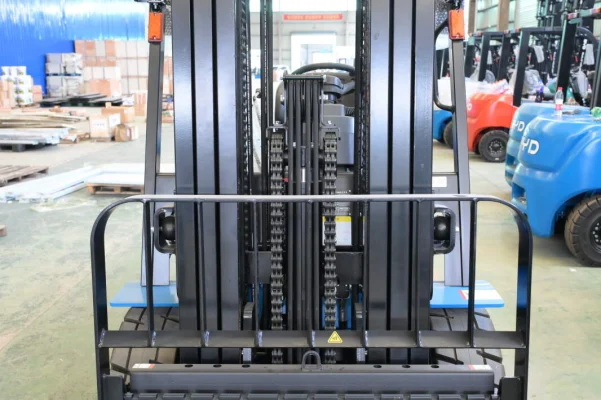
If you add any attachment — such as a side shifter, fork positioner, or clamp attachment — the attachment adds extra weight to your fork carriage. It also shifts the load center further from the mast. Both factors reduce the total weight your unit can safely lift.
Extended length forks also move the load center forward. Even without an attachment, longer forks built to handle extra wide pallets shift the load center outward, cutting effective capacity.
If your operation requires attachments or non-standard fork lengths, you need to select a larger size forklift with a higher base rated capacity. This adjustment ensures your unit still meets your actual working load needs once you include attachment weight and the shifted load center.
Frequently Asked Questions
Does a larger footprint always equal higher load capacity?
Most models follow this trend, but modern lithium battery packaging lets BYD four-wheel counterbalance electric forklifts deliver higher capacity within a smaller footprint. Always confirm rated capacity against published manufacturer specs instead of relying on external physical size alone.
Should I use a smaller size unit if I only carry maximum loads occasionally?
Frequent overload accelerates wear on key components including the mast, chassis, and traction battery. Even occasional overload increases safety risks caused by tip-over events. You must match your unit size to the heaviest load you plan to move across your site.
What other size-related factors need site checks?
You must confirm your site’s minimum turning aisle width, maximum entry door height, and maximum ramp grade. A unit that meets your load capacity specs may fail to maneuver through your site’s tight spaces or clear low overhead entry points. Outdoor use also requires checking ground clearance to avoid scraping undercarriage components on uneven pavement.
Once you complete all these checks, you can share your site layout, load specs, and attachment needs with our team. We help you match the correct size BYD four-wheel counterbalance electric forklift to your operation.