Choosing Different Size Forklifts: Battery Capacity, Charging Windows, and Duty Cycle Tradeoffs
News 21/10/2026
Selecting the right size four-wheel counterbalance electric forklift requires balancing three critical interconnected factors: battery capacity, available charging time and daily duty cycle demands. Many operations focus only on load capacity when choosing unit size, but ignoring interactions between these three elements leads to unplanned downtime, excessive charging costs or wasted capital on oversized equipment. This guide covers core tradeoffs and selection criteria applicable to four-wheel counterbalance electric forklifts, the primary product our site offers.
Core Factors That Define Forklift Size and Performance
Forklift size ties directly to chassis dimensions, load rating and available space for battery installation. Larger units build heavier frames to support higher load capacities, and this extra frame space accommodates larger battery packs. Smaller compact units prioritize maneuverability in tight spaces, so designers limit overall chassis dimensions, which restricts maximum battery size.
How Chassis Size Shapes Available Battery Capacity
Lithium battery technology offers much higher energy density than older lead acid designs, but physical size still limits total storage capacity. A 10,000 lb capacity four-wheel counterbalance electric forklift needs a larger battery than a 3,000 lb capacity unit to support full runtime under load. Even with advances in lithium cell design, the chassis must fit the battery pack required to power the unit’s intended output.
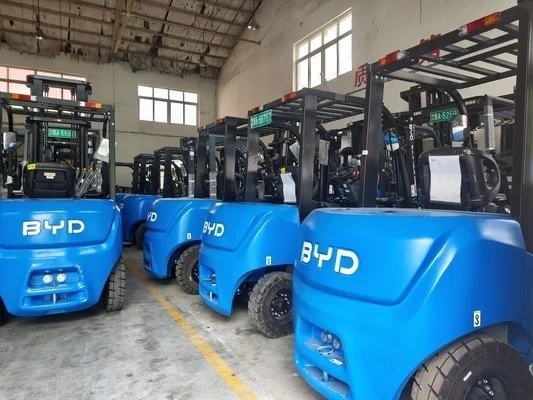
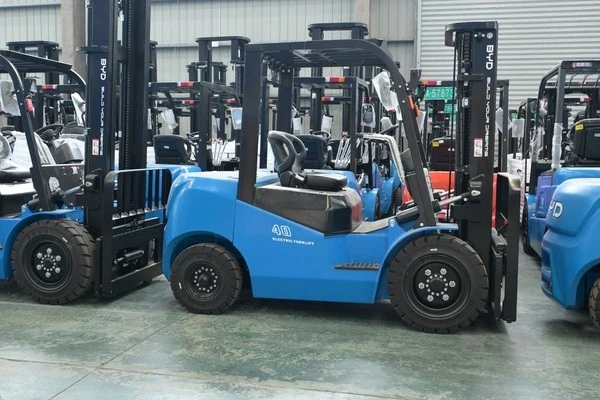
BYD lithium battery powered four-wheel counterbalance electric forklifts integrate battery packs directly into the chassis design, so size of the unit directly matches the capacity of the installed battery. This integration eliminates wasted space compared to retrofitted battery designs, but the relationship between chassis size and total energy storage still holds.
Align Unit Size With Your Available Charging Windows
Charging windows refer to total time your site can dedicate to recharging forklifts between work periods. Your available charging time heavily influences the ideal forklift size and battery capacity you need.
Operations that close 6-8 hours every shift have plenty of off-hours time to recharge even smaller battery packs. Smaller compact forklifts work well in these setups, as you can fully recharge batteries when your facility is not operational. Smaller units also bring lower upfront cost and better maneuverability in tight spaces.
Multi-shift operations that run 16-24 hours daily rarely get extended off-hours charging time. In these scenarios, larger forklift sizes with higher capacity batteries store enough energy to cover two or more full shifts before needing a full charge. Opportunity charging during short 10-15 minute employee breaks can extend runtime even further, eliminating need for major downtime.
Some facilities add extra swap batteries to smaller units to extend runtime. This strategy adds extra operational cost, requires dedicated space for battery storage and swapping equipment, and brings extra safety tasks related to battery handling. Larger on-board batteries avoid these extra steps, though they require a larger initial investment.
Key Tradeoffs Between Size, Duty Cycle and Operational Constraints
Every operation has unique constraints that shift the balance between size, battery capacity and duty cycle needs. Below we break down the most common tradeoffs decision makers face.
Aisle Width vs Runtime Requirements
The most common tradeoff involves tight aisle space and longer runtime needs. Smaller compact forklifts fit into narrower aisles, which lets you maximize storage space within your facility. But their smaller battery capacity limits total daily runtime. If you run longer shifts, you must plan for extra charging breaks, or accept reduced work output over a full day.
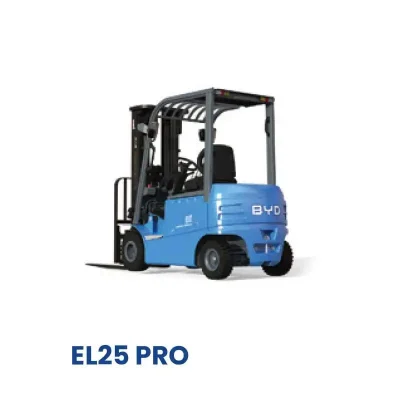
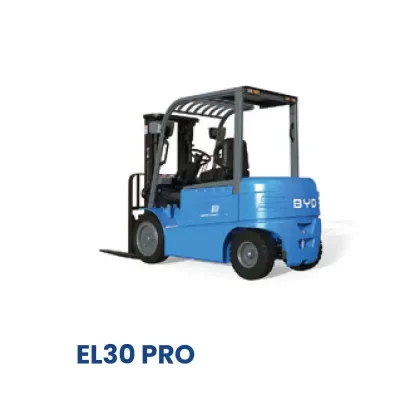
Larger units need wider aisles, which means you must space storage racks further apart. This reduces total storage capacity your facility can hold, but larger batteries deliver full runtime across longer shifts without interruptions.
Load Capacity vs Operating Cost
Larger forklifts handle heavier maximum loads, but they also consume more energy per hour of operation. A heavy duty unit moving 10,000 lb loads uses more battery power each hour than a compact unit moving 3,000 lb loads. The larger battery on the heavy duty unit offsets this higher consumption, but upfront purchase and maintenance costs are higher.
The table below summarizes general relationships between size categories, battery capacity and common operational fits four-wheel counterbalance electric forklifts:
| Forklift Size Category | Typical Battery Capacity Range | Common Duty Cycle Fit | Minimum Aisle Width Requirement |
|---|---|---|---|
| Compact | 20-40 kWh | Single shift, light intermittent use | 2.8-3.2 meters |
| Standard | 40-80 kWh | Single to double shift, general material handling | 3.2-3.8 meters |
| Heavy Duty | 80-150+ kWh | Multi-shift, constant heavy load operation | 3.8+ meters |
Ground conditions also impact your choice. Larger, heavier forklifts place more pressure on facility floors. If your facility has older floors or uneven outdoor surfaces, you must confirm your ground can support the weight of your chosen unit size before purchase.
Frequently Asked Questions
Can smaller forklifts handle longer duty cycles with extra charging breaks?
This works if your operation has enough flexibility to schedule regular stops. If you can pause work 15-20 minutes every 3-4 hours to connect the unit to a charger, a smaller compact forklift can cover most full work days. You must always confirm the unit’s maximum load rating matches your heaviest typical loads, never exceed the manufacturer’s stated load limit regardless of battery capacity.
Do larger forklifts always lead to higher total ownership cost?
Upfront purchase price rises with larger unit size and higher battery capacity. Over time, larger lithium batteries reduce unplanned idle time from depleted batteries, which cuts labor waste and keeps operations moving. Your total ownership cost depends on your specific work schedule, charging access and load requirements, so larger units often deliver lower long-term cost in high-demand multi-shift operations.
How do I get a tailored recommendation the right size forklift my facility needs?
Start by documenting four key details: your facility’s minimum aisle width, maximum daily work hours, your heaviest typical load weight, and any existing charging infrastructure you plan to use. Share these details with our team, and we will help you review suitable BYD four-wheel counterbalance electric forklift options that match your operational needs and budget.
After you confirm your core constraints, you can test unit fit within your facility’s aisles and work flow before finalizing your purchase. This step eliminates surprises related to maneuverability and operational fit after delivery.