Evaluating Different Size Forklifts Based On Your Warehouse Load Weights And Aisle Widths
News 20/10/2026
Choosing the right different size forklifts matches your warehouse operational needs, prevents costly downtime and avoids unsafe operation. This guide walks you through evaluation steps based on two core warehouse attributes: your typical load weights and your available aisle widths. Correct evaluation eliminates guesswork, helps you avoid overspending on oversized equipment, and prevents dangerous undercapacity issues that damage your machines and put your team at risk.
Core Warehouse Parameters That Shape Your Forklift Choice
Your Typical Load Weight Ranges
Before you browse available forklift options, document all load weights your team moves on a daily, weekly and monthly basis. Focus on your most common load weights first, then note any maximum weights you encounter occasionally. Forklift size directly correlates to weight capacity: smaller units handle lower weights, while larger units support heavier loads. Selecting a unit with capacity far above your typical needs wastes valuable warehouse space and increases fuel or energy consumption. Selecting a unit with capacity below your common load causes premature wear on lift components, increases risk of load shift or tip over, and violates most workplace safety guidelines.
Your Available Aisle Widths
Aisle width determines whether your forklift can turn and maneuver safely between storage racks. You must measure net aisle width, which counts clear space between opposing rack faces, not the total distance between building walls. Exclude any space taken up by temporary storage, exit doors or work stations when you measure. Narrower aisles require smaller forklift sizes with shorter turning radii. Wider aisles can accommodate larger, heavier units without increasing collision risk. Even a large capacity forklift works in your facility if you have enough clear space to maneuver, so always take measurements before you finalize any selection.
Common Forklift Size Categories And Their Suitable Scenarios
Forklift sizes group into three main categories based on weight capacity and space requirements. The table below outlines general guidelines to help you narrow your options:
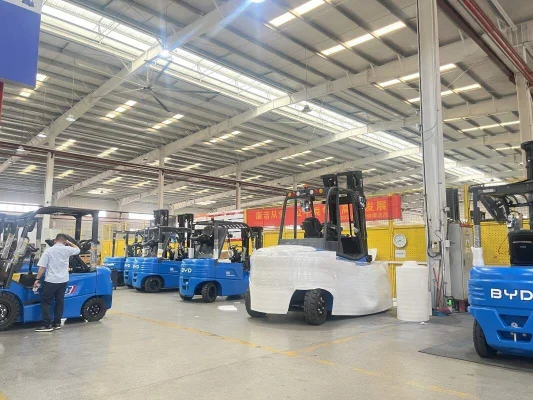
| Size Category | Typical Weight Capacity | Minimum Clear Aisle Width | Best Application |
|---|---|---|---|
| Small / Stand-Up Reach | 1,000 – 3,000 lbs | 6 – 8 feet | Retail back rooms, small storage facilities, tight indoor spaces |
| Mid-Size / Sit-Down Counterbalance | 3,000 – 7,000 lbs | 10 – 12 feet | General wholesale warehouses, mixed load operations, outdoor yard staging |
| Large / Heavy-Duty Counterbalance | 7,000 – 20,000+ lbs | 12+ feet | Manufacturing facilities, bulk storage yards, heavy container handling |
Specialized narrow aisle forklifts fall into a separate small-to-mid size category. These units sacrifice maximum weight capacity to fit aisles under 6 feet wide, so they suit warehouses storing high volumes of light-to-moderate weight loads. You must add 1-2 feet of extra clearance to the minimum width listed by the manufacturer if you use extended forks or move irregularly shaped loads. Extra clearance gives operators enough room to turn without clipping rack edges or causing load damage.
Frequently Asked Questions
Can I use a large forklift in a small warehouse?
Large forklifts require wider turning radii and more clearance to maneuver. Attempting to operate one in a small, narrow aisle warehouse increases collision risk with racks, walls or personnel. It also slows down operational speed, as operators must make multiple adjustment turns to navigate each aisle. Only use large units in small warehouses if you have dedicated wide aisles built to accommodate their size.
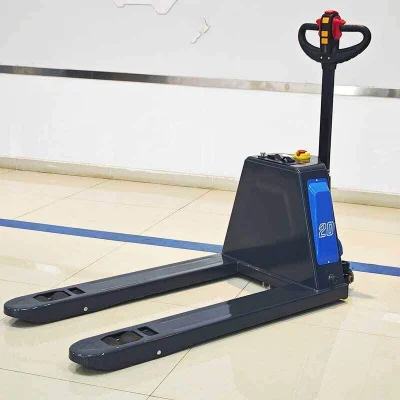
How do I account for variable load weights in my facility?
Size your forklift to match your most frequent load type, not just your occasional maximum load. If you only move heavy loads one or two times per month, you can rent a larger unit when needed instead of purchasing one that sits unused most of the time. This approach saves space on your site and reduces long term operational costs.
What other factors should I consider alongside size?
Size selection centers on load weight and aisle width, but you also need to check your facility’s floor load capacity, your ceiling height when lifting loads to high racks, and your power source preferences (electric, internal combustion). Outdoor operation also requires different tire and traction features not needed in fully indoor warehouses. These factors help you refine your shortlist after you narrow options based on size.
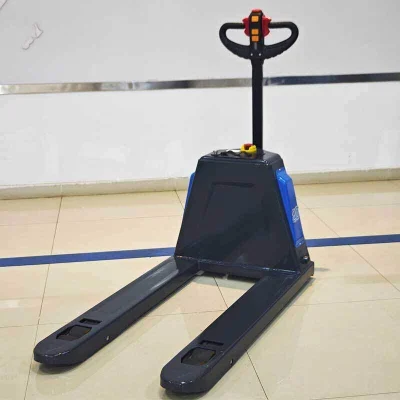
Your final selection aligns your equipment capabilities with your daily operational demands. Always confirm manufacturer specifications before purchasing or renting any forklift, and test maneuverability in your actual aisles before committing to a long term agreement. Proper evaluation ensures your forklift serves your needs without adding unnecessary costs or safety risks.