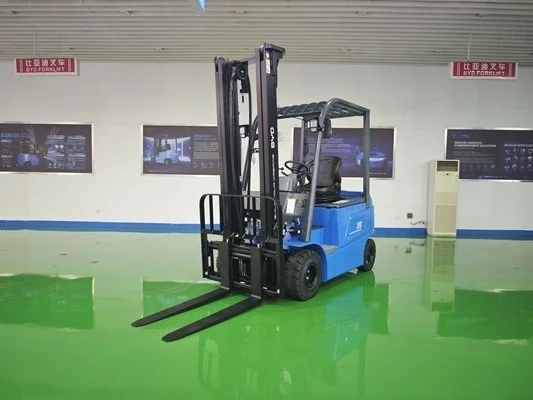
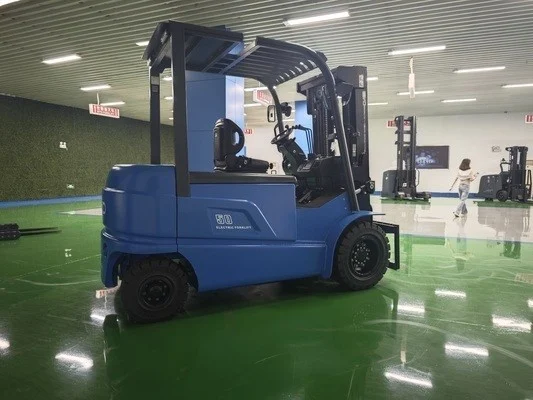
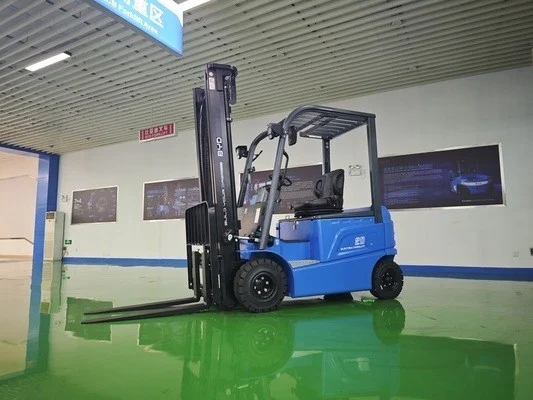
Matching Factory Electric Forklift Specs To Your Facility’s Daily Material Handling Needs
News 05/10/2026
Factory electric forklift selection sits at the core of smooth daily factory material handling operations. Wrong equipment choices cause unplanned downtime, increased long-term maintenance costs, and avoidable workplace safety hazards. This guide helps facility managers match these factory electric forklift specs directly to your facility’s unique daily operational needs.
Map Your Daily Operational Requirements First
Before reviewing manufacturer spec sheets, document core aspects of your facility daily work. Many facility managers skip this initial step and jump straight to comparing models or purchasing options their peers use. This approach often leads to costly mistakes: a forklift that performs well at another facility does not fit your unique space and workload constraints. Taking one to two full work days to complete this documentation narrows your options, avoids overspending on unneeded features, and prevents underspecifying equipment that cannot handle your consistent workload.
Document All Key Operational Constraints
Most factory operations move consistent load types, from pallets of raw components to finished goods. Document the heaviest load your team moves regularly, not just occasional one-off lifts. Add 10-15% buffer capacity covering unexpected load variation. Next, record the maximum lift height your team needs, including top rack levels in your storage area. Lift height directly impacts mast design and power requirements. This common specification impacts overall forklift cost and functionality, so accurate documentation saves you from overpaying for unneeded lift capacity.
Narrow factory aisles common in high-density storage spaces require forklifts with smaller turning radii. When measuring your aisle width, be sure to account for any extra space your team needs when maneuvering around parked pallets, work stations, or other equipment that stays in the aisle regularly. Do not measure only clear space between racking; accounting for common obstructions gives you an accurate minimum width your forklift needs to navigate safely. Standard three-wheel electric forklifts work in narrower aisles than four-wheel models, while reach trucks suit very narrow aisle setups. Share your measured minimum aisle width with equipment suppliers before placing orders.
Multi-shift factory operations need forklifts with durable battery systems that support extended run times. Single-shift operations can use smaller capacity batteries with opportunity charging during breaks. Opportunity charging leverages short breaks during the workday to top up battery power, eliminating the need for full swap-outs in single-shift operations. This approach works well for facilities that do not use the forklift continuously through every minute of the shift. Document your total daily operating hours to match battery capacity correctly.
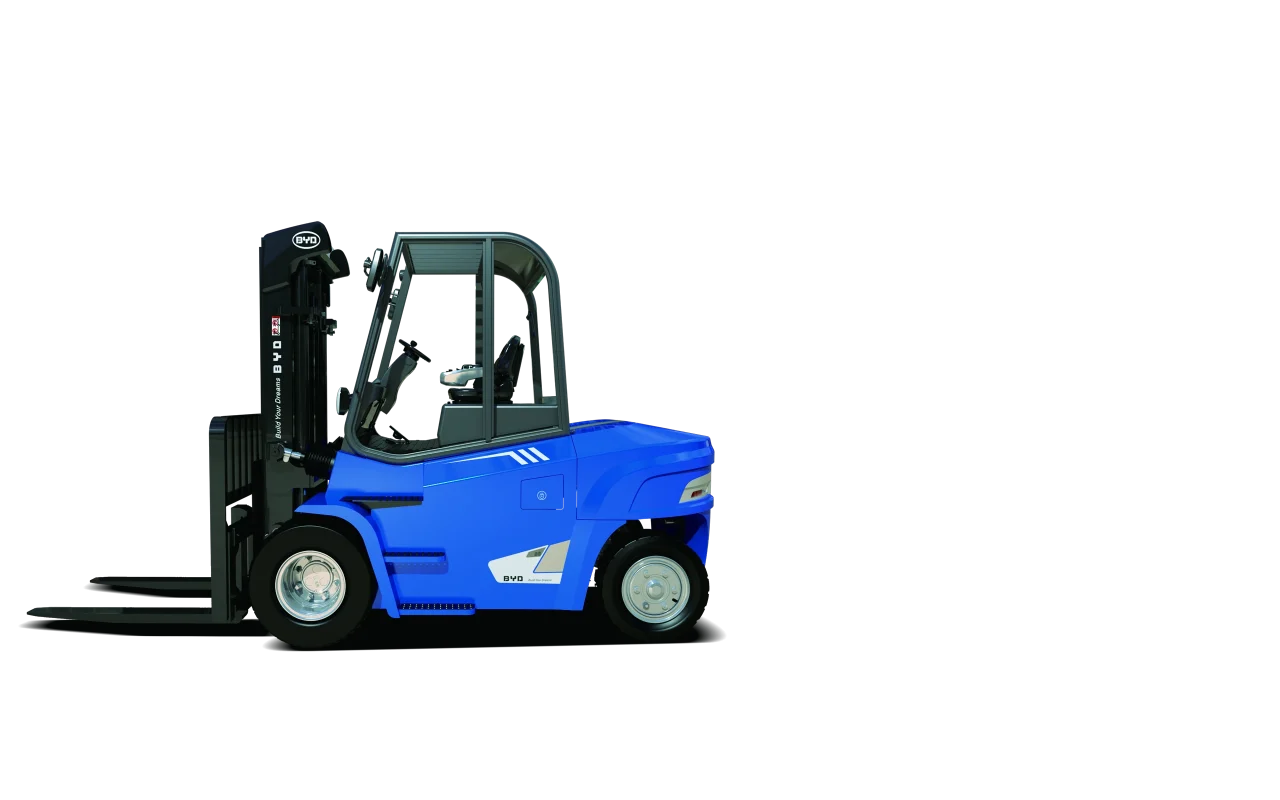
Match Critical Electric Forklift Specs To Your Documented Needs
Once you have your operational data, cross-reference it with common factory electric forklift specs. Below are key specs that impact daily performance:
Cross-Reference Core Specs With Your Operational Data
Lead-acid batteries suit low to medium daily usage, and come with lower upfront costs. Lithium-ion batteries deliver longer run times, faster charging, and longer overall service life, but carry higher initial investment. Multi-shift facilities often choose lithium-ion batteries or keep a second lead-acid battery on hand supporting swap-outs.
Standard duplex masts suit most lift heights under 20 feet. Triplex masts offer higher lift capacity and free lift supporting container loading operations. Telehandlers with extended masts suit outdoor factory yards, while indoor operations use shorter, more compact mast designs.
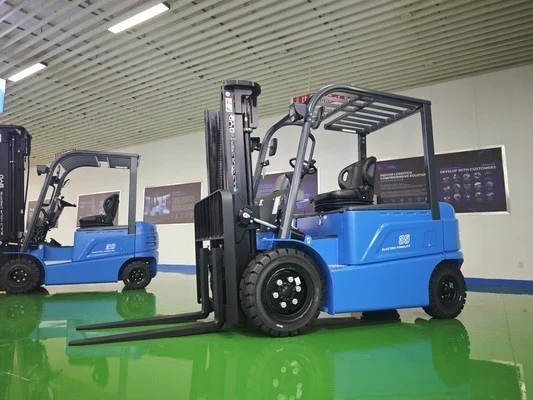
Load capacity ratings decrease as lift height increases. This common point of confusion leads many facilities to purchase undersized equipment. Many buyers only check the base capacity rating listed on the front page of a spec sheet, without cross-checking the value at the maximum lift height they use daily. This mistake creates safety risks when your team attempts to lift a heavy load to a high rack level, as the forklift can become unstable. Always check the spec sheet’s load chart to confirm capacity at your maximum required lift height. A 5000-pound capacity forklift at ground level may only carry 3000 pounds at 15 feet of lift.
Frequently Asked Questions
Answers To Common Selection Questions
Can standard factory electric forklifts operate outdoors?
Some entry-level electric forklifts built only serve indoor operations lack sealed electrical components protecting against moisture and debris. Factory yards or outdoor loading areas require electric forklifts with weather-sealed components and rugged tires designed handling uneven pavement. Always confirm intended operating environment with your supplier before purchase.
What maintenance needs come with factory electric forklifts?
Electric forklifts require less regular maintenance than internal combustion models, but still need scheduled checks. Core maintenance tasks include battery watering (lead-acid units only), tire rotation, brake inspection, and hydraulic system checks. Follow the manufacturer recommended maintenance schedule extending equipment service life.
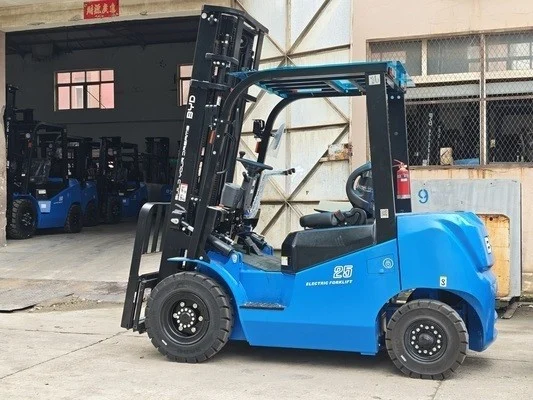
Do I need a special charging station powering my factory electric forklift?
Charging station requirements vary by battery type. Lithium-ion units often work with standard high-voltage industrial outlets, while large lead-acid batteries require dedicated charging areas with proper ventilation. Facility managers must confirm local electrical code requirements before installing charging infrastructure.
How do I plan around future growth when selecting specs?
If your factory plans expansion or increased workload within the next three years, add a 20% buffer to your load capacity and lift height requirements. This avoids premature replacement of your forklift as operations scale. You can also choose modular battery upgrades supporting increased run time without full equipment replacement.
Matching factory electric forklift specs to your daily operational needs reduces long-term costs, improves worker safety, and keeps your material handling workflow consistent. Start with documenting your facility specific requirements before reviewing specs, and prioritize core needs over optional features that add unnecessary cost.