Electric Forklift for Sale Near Me: Battery Capacity and Charging Window Questions Buyers Should Settle Before Committing
News 30/10/2026
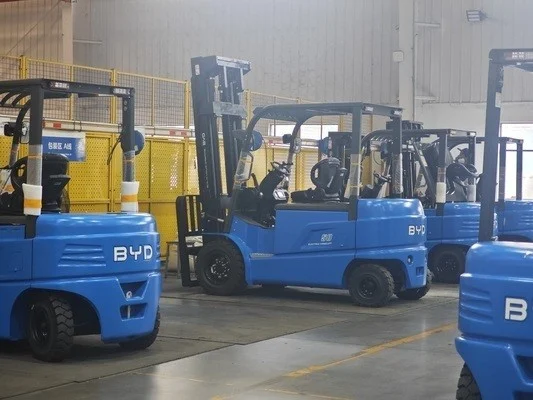
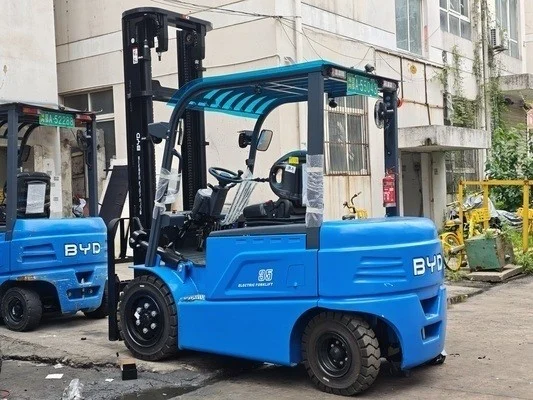
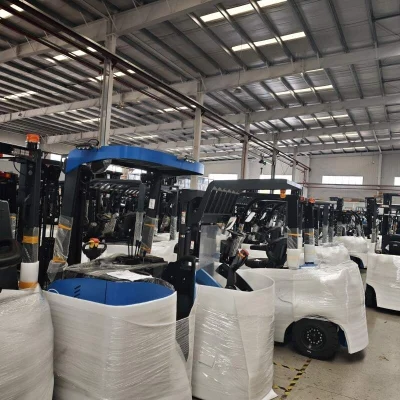
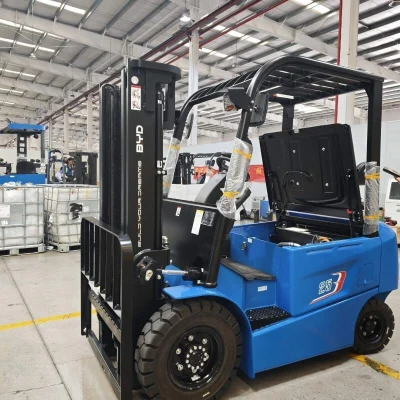
Searching “electric forklift near me” usually means you are close to a purchase decision, and the battery conversation is the one that most often stalls it. Before you compare quotes, settle two linked questions: how much usable energy the truck needs across a shift, and how long the battery may be off duty while it charges. Both answers come from your own operation, not from a brochure. This guide covers the four-wheel counterbalance electric forklift class we sell, including lithium-battery models, and lists the information a supplier needs to confirm a configuration.
Why Battery Capacity Comes Before Price or Brand
Battery capacity sets how long a truck can work between charges. It also affects weight, compartment size, charger selection and, in practical terms, whether one battery can cover a full shift or whether a second pack or opportunity charging is needed. A quote that names a capacity without your duty cycle is only a starting point.
Three inputs drive the calculation:
- Energy demand per hour. Lifting, traveling, steering and hydraulic work all draw current. Heavier loads, higher lifts and frequent acceleration raise demand.
- Hours between charging opportunities. A single long shift and two shorter shifts with a break in between are different problems.
- Available charging time. The window may be a lunch break, an overnight period or a full weekend.
Manufacturers publish capacity and voltage ratings in their technical documentation. Treat those figures as the verified basis and ask your supplier to confirm them against the exact model you are considering. Do not accept a capacity number that appears only in a sales message.
Questions to Settle About Battery Capacity
What is the rated capacity and voltage of the proposed pack?
Capacity and voltage together describe the energy available. Ask which pack the quoted truck ships with and request the manufacturer data sheet. If the supplier cannot state the rating clearly, the quote is incomplete.
Does the capacity match my measured duty cycle?
Describe a typical shift: load weights, lift heights, distance traveled, ramp use and the share of time spent lifting versus driving. A supplier can then check whether the proposed capacity covers the shift with a sensible margin. Without this description, any capacity recommendation is a guess.
Is the battery fixed or swappable?
Some operations prefer a fixed pack and opportunity charging; others plan a battery change between shifts. The choice affects compartment design, lifting equipment and spare-pack cost. Confirm which arrangement the quoted configuration supports.
What charging window does the battery require?
Lithium packs generally accept opportunity charging without the full-cycle discipline that flooded lead-acid batteries need, but the charger, connector and site power supply must still be matched to the pack. Ask the supplier to state the expected charging time from a given depth of discharge, using the manufacturer’s charger data, and confirm the electrical supply your site can provide.
Charging Window and Site Conditions Buyers Often Overlook
The charging window is not only a battery property. It also depends on the charger, the available power and where the truck can safely park while connected.
- Charger rating and connection. Confirm the charger model, input voltage and connector type against your building’s electrical capacity.
- Parking position. The truck needs a designated charging bay clear of traffic, with ventilation and fire precautions appropriate to your site rules.
- Shift pattern. Map every break long enough to plug in. A 30-minute window and an eight-hour window lead to different recommendations.
- Temperature. Charging and storage conditions affect battery behavior. Ask the supplier about the temperature range the pack is rated to operate in, and compare it with your building.
- Future growth. If you plan to add shifts or heavier loads, say so now. A pack sized only to today’s lightest shift may not serve the operation next year.
A hypothetical example: a warehouse running one eight-hour shift with a one-hour midday break may be able to use opportunity charging if the measured energy demand and charger output support it. The same site adding a night shift would need a different plan. The point is to test the assumption, not to copy a neighbor’s setup.
What to Send a Supplier Before You Ask for a Quote
A clear request shortens the process and produces a configuration you can actually verify. Include:
- Typical and maximum load weight, plus load center if known
- Required lift height and any attachments
- Aisle width, floor surface, ramps and gradients
- Shift length, breaks and weekly operating days
- Charging location, available power and any site restrictions
- Whether a spare battery or battery change is acceptable
Ask the supplier to respond with the specific model, battery rating, charger specification and the manufacturer documentation supporting each figure. For our four-wheel counterbalance electric forklifts, including lithium-battery models, share these details and we can confirm which configurations are available and which parameters still need checking. We do not publish performance or pricing figures without verified model data, so expect questions rather than instant numbers.
Before committing, also confirm delivery, commissioning, operator training and warranty terms in writing, and check that the quoted battery and charger are the ones covered by the warranty. If any figure in the quote lacks a source document, treat it as unconfirmed.
Frequently Asked Questions
Can I run a full shift on one battery charge?
Possibly, but only your duty cycle and the pack’s rated capacity can answer it. Measure energy demand across a representative shift, then ask the supplier to check the proposed capacity against that figure with a margin you both accept.
Is lithium always the right choice?
Lithium packs suit many operations that value opportunity charging and low maintenance, but the decision depends on your charging window, site power, temperature and budget. Compare the quoted configurations on the same inputs rather than assuming one chemistry wins.
How long does charging take?
Charging time depends on the pack, the charger and the depth of discharge. Ask the supplier to state the time using the manufacturer’s charger data and your expected discharge level. A generic number without those conditions is not useful.
What if my site cannot provide the required charging power?
Tell the supplier early. They may propose a different charger or a battery-change routine, but only if the site’s electrical capacity is known. Do not assume an upgrade is possible without checking with your facility team.
Can I add a second battery later?
That depends on the truck’s compartment design and the supplier’s options. Raise the possibility during the quote stage so the configuration and handling arrangements are considered together.