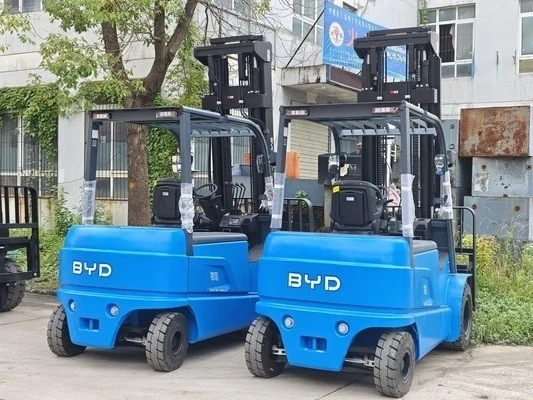
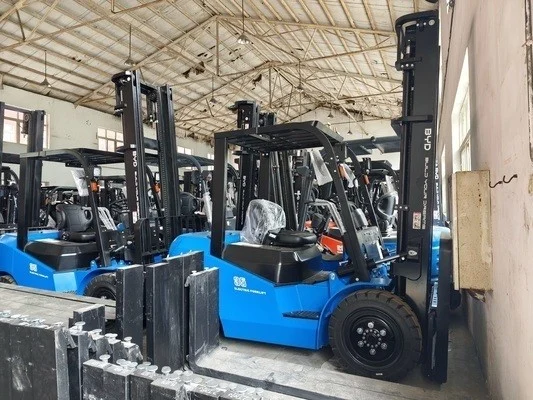
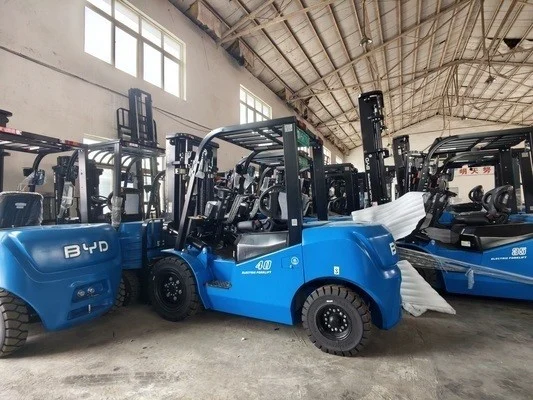
Electric Forklift Charging Room Planning: Electrical Capacity and Ventilation Checks Warehouse Buyers Should Complete Before Delivery
News 08/11/2026
A new four-wheel counterbalance electric forklift can arrive on schedule and still sit idle because the charging room is not ready. Before delivery, warehouse buyers should confirm two things above all: that the building’s electrical supply can carry the charger load safely, and that the charging area can remove the gases and heat the charging process produces. This procurement guide lists the checks to complete, the documents to request, and the questions to settle with the site electrician and the forklift supplier.
Electrical Capacity: What to Confirm Before the Truck Arrives
Charger capacity, not truck capacity, usually sets the electrical requirement. A high-capacity battery paired with a fast charger can draw far more power than the truck’s motor rating suggests. Ask the supplier which charger models are compatible with the proposed battery and request the input voltage, phase, current draw, and recommended breaker size from the charger datasheet.
Documents and site data to gather
- Charger input rating from the manufacturer’s technical data, including voltage, phase, and maximum input current.
- The building’s available supply, confirmed by a qualified electrician, not inferred from the main breaker label alone.
- Spare capacity on the distribution board that will feed the charging area, allowing headroom other equipment may already consume.
- Cable route length and the proposed charger location, since long runs affect voltage drop and cable sizing.
- Whether the site needs single-phase or three-phase power, matched to the charger specified.
Questions that prevent delivery delays
Confirm who is responsible the electrical installation: the buyer, the landlord, or a contractor. If the building is leased, check whether adding a dedicated charging circuit requires landlord approval. Also ask whether the charger can be programmed to a lower current setting, which may let a site with limited capacity charge more slowly rather than upgrade its supply. Any derating must come from the charger documentation, not from guesswork.
Plan the number of charging points against the fleet and shift pattern. One truck and one spare battery need different infrastructure than a multi-shift operation with several trucks returning together. The supplier can help size the charger count once you provide the fleet size, battery capacity, and daily operating hours.
Ventilation, Heat, and Fire Safety Checks
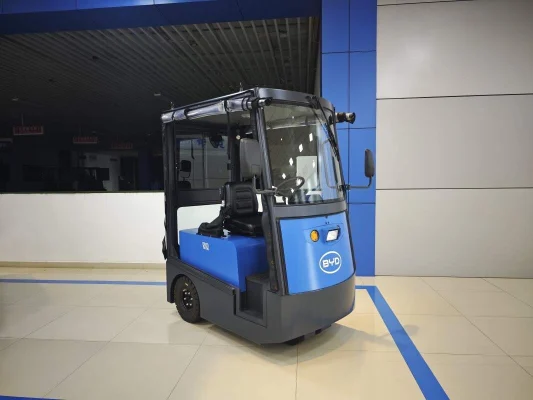
Battery charging releases heat, and some battery chemistries can release gas under certain conditions. The correct ventilation approach depends on the battery type and charger. Lead-acid batteries generally require ventilation during charging because the process can produce hydrogen. Lithium-ion batteries used in many modern electric forklifts do not produce hydrogen during normal charging, but they still generate heat and carry thermal-runaway risks that affect placement and fire precautions.
Ventilation points to verify
- Battery chemistry and the supplier’s ventilation guidance, taken from the battery and charger documentation.
- Room volume and airflow: whether natural ventilation is adequate or mechanical ventilation is needed.
- Airflow path that prevents gas or heat accumulation near the charger and battery.
- Temperature range the charger and battery can tolerate, since a hot room shortens equipment life and may trigger charger protection.
- Whether the space is shared with other activities that could introduce ignition sources or obstruct airflow.
Layout and fire precautions
Keep the charging area clear of combustible storage, provide suitable fire-fighting equipment as advised by the local fire authority, and follow local electrical and fire codes. Check whether the insurer or landlord imposes additional conditions on battery charging indoors. Emergency stop and charger isolation points should be reachable without stepping over cables or around a parked truck.
If the site cannot meet ventilation or fire requirements indoors, discuss alternatives with the supplier before delivery. Moving the charger outdoors or into a dedicated room may change the electrical plan, so settle this early rather than after the truck arrives.
Procurement Checklist and Questions to Settle with the Supplier
Use the table below as a working checklist. The right-hand column shows the party who can usually confirm each item; where the answer depends on local rules, a qualified electrician or fire authority should decide.
| Check | What to confirm | Who confirms |
|---|---|---|
| Charger specification | Input voltage, phase, current, breaker size, compatible battery | Forklift supplier |
| Supply capacity | Available power at the distribution board and spare headroom | Site electrician |
| Installation scope | Cable route, isolation, responsibility and approvals | Buyer, landlord, contractor |
| Ventilation | Battery chemistry, gas and heat guidance, airflow design | Supplier and electrician |
| Fire and insurance | Local code conditions, extinguisher type, insurer requirements | Fire authority, insurer |
| Layout | Clearance around chargers, cable management, access | Buyer and supplier |
When requesting a quotation, provide the intended application, required load capacity, lift height, load center, shift pattern, floor and ramp conditions, aisle width, and the charging room details above. These inputs let the supplier propose a four-wheel counterbalance electric forklift and charger configuration that matches the site, rather than a generic package. Ask the supplier to state which parameters remain to be verified and which tests apply at commissioning.
Finally, agree an acceptance checklist before delivery: charger installation signed off by the electrician, ventilation in place, fire equipment mounted, and operators briefed on charging procedures. A short pre-delivery review of these items is usually cheaper than a truck waiting in the yard.
Frequently Asked Questions
Can a standard warehouse socket charge an electric forklift?
Usually not. Forklift chargers generally need a dedicated circuit sized to the charger’s input rating. Whether an existing socket is suitable depends on its circuit capacity and the charger specification; have an electrician check both before planning the installation.
Does a lithium-ion forklift need the same ventilation as a lead-acid truck?
The requirements differ. Lead-acid charging can release hydrogen and typically needs ventilation designed the charging process. Lithium-ion charging does not produce hydrogen during normal operation, but heat management and fire precautions still matter. Follow the battery and charger documentation and local codes rather than assuming one approach fits both.
What if the building’s power supply is too small?
Options include a lower-current charger setting where the equipment supports it, a supply upgrade, or a different charging schedule. Each option has limits, so confirm the charger’s programmable range with the supplier and the supply capacity with an electrician before committing.
When should these checks start relative to delivery?
Start before the order is finalized. Charger specification, supply capacity, and ventilation affect the purchase decision and the installation schedule. Leaving them until the delivery date risks a truck that cannot be charged safely on arrival.