Traction and Tire Design Considerations: Food Industry Electric Forklifts In Wet Processing Zones
News 16/10/2026
Food industry wet processing zones often have standing water, food residue, spilled cleaning agents and smooth finished concrete floors. These surfaces create low friction, increasing skid risk, extended stopping distances and lost traction during acceleration or load handling. Electric forklifts operating these areas require tire designs matched to these conditions to maintain safety and operational efficiency. Poorly matched tires increase operational downtime, raise replacement costs and create avoidable safety hazards within food production environments.
Core Traction Challenges In Wet Processing Zones
Wet processing zones present three unique traction-related issues rarely seen in dry warehouse storage areas. First, continuous moisture and residue create a lubricating layer between tire and floor, cutting overall friction by a significant margin that varies by floor material and residue type. Second, frequent high-pressure washdowns expose tires to harsh cleaning chemicals that can degrade rubber compounds over time, leading to hardening or cracking that further reduces traction. Third, most food processing facilities require non-marking tires to avoid floor contamination, and many standard non-marking compounds come with inherent traction tradeoffs.
Facility teams must address all three challenges together, rather than focusing solely on traction or solely on food safety requirements. A tire that delivers excellent traction but degrades quickly under weekly sanitization will end up costing more long term, while a chemically resistant tire with poor traction creates unacceptable safety risks.
Key Tire Design Criteria This Work Environment
Compound Material Compatibility
Tire compounds must resist degradation from common sanitizing chemicals used food processing facilities, as well as avoid cracking or chunking from repeated exposure to water and temperature swings. Compounds that break down quickly lose their traction properties and can leave rubber debris that contaminates food products.
When evaluating options, ask suppliers to confirm compound resistance against common sanitizers your facility uses. Verify materials meet any applicable food contact standards your operation requires. The primary tradeoff: some high-traction compounds break down faster with regular chemical exposure, so you must balance traction needs with expected service life.
Tread Pattern Optimization
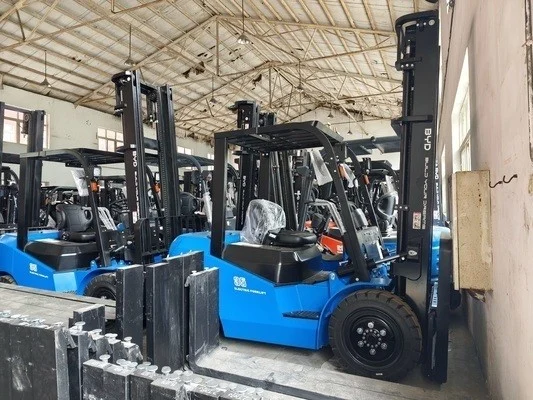
Tread patterns work by channeling water and food debris away from the tire contact patch to maintain consistent friction. Open, self-cleaning tread designs prevent debris from packing into grooves, which would reduce traction gradually as tires accumulate use.
When evaluating, request tread depth specifications and design details showing water evacuation performance under your typical floor conditions. The key limitation: overly aggressive tread can leave permanent marks on smooth finished floors, which increases daily cleaning time and may damage protective floor coatings common food processing areas.
Non-Marking and Food-Safe Properties
Food processing facilities require tires that do not leave black rubber residue on floors, which can contaminate product and increase cleaning labor. Non-marking compounds use alternative mineral fillers that avoid this residue transfer, while still maintaining structural integrity.
Confirm the tire supplier explicitly labels the product as non-marking and approved food processing environments. The common tradeoff: many basic non-marking compounds offer lower traction compared to standard black rubber compounds, so prioritize options engineered specifically to balance both properties.
Comparison of Common Tire Configurations
| Tire Type | Key Benefits Wet Zones | Primary Limitations | Items To Confirm With Supplier |
|---|---|---|---|
| Pneumatic | Excellent traction on wet, debris-covered surfaces | Higher risk of punctures, requires more frequent maintenance | Compound chemical resistance, non-marking availability |
| Solid Cushion | Flat-proof, low maintenance, good chemical resistance | Traction depends heavily on tread design and compound; lower ride comfort on uneven floors | Tread water evacuation design, non-marking performance |
| Press-On Non-Marking | Stable, low profile, resists debris buildup | Higher upfront cost, traction drops severely if tread wears down | Expected service life under your washdown frequency, traction retention as tread wears |
| Polyurethane Solid | High load capacity, resistant many common sanitizers | Can harden in cold wet environments, reducing traction over time | Low temperature performance if your facility operates below room temperature |
Each facility has unique floor conditions, debris types and operational schedules. Test a small set of candidate tires your own environment before full fleet conversion, when possible.
Frequently Asked Questions
Do all non-marking tires work properly wet food processing zones?
Not all non-marking tires are engineered wet zone operation. Some prioritize non-marking performance over traction or chemical resistance. Always check the tire design specification confirm it addresses low-friction wet surfaces and chemical exposure before purchase.
How often should I inspect electric forklift tires wet processing zones?
Inspect tires at the end of every shift to check for embedded debris, cuts, chunking or worn tread. Worn tread loses ability channel water away, which directly increases skid risk. Create a scheduled replacement schedule based on your regular inspection results, not just generic time intervals.
Can I use traction improving additives on existing tires?
Some additives claim improve traction on worn tires, but many leave residue that can contaminate food products or damage facility flooring. Most food safety standards do not allow these additives within processing zones, so check your facility compliance rules before use. Replacing worn tires remains the safest, most reliable solution.
What other adjustments improve traction beyond tire design?
Facility teams can also improve overall traction by keeping floors clear of standing water and loose debris, and maintaining proper inflation levels for pneumatic tire models. Traction control systems integrated into newer electric forklift models also help reduce skid risk, but these systems still rely on proper tire design deliver consistent, reliable results.
Before purchasing new tires or a new electric forklift your food industry wet processing zone, compile your facility-specific data: floor type, common contaminants, daily operation hours, washdown frequency and maximum load requirements. Share this information your supplier to get tire recommendations matched your exact operational needs.