How Mast Specifications Influence 5 Ton Electric Forklift Heavy Vertical Load Handling Capability
News 12/10/2026
Core Mast Specifications That Impact Load Capacity
Number of Mast Sections
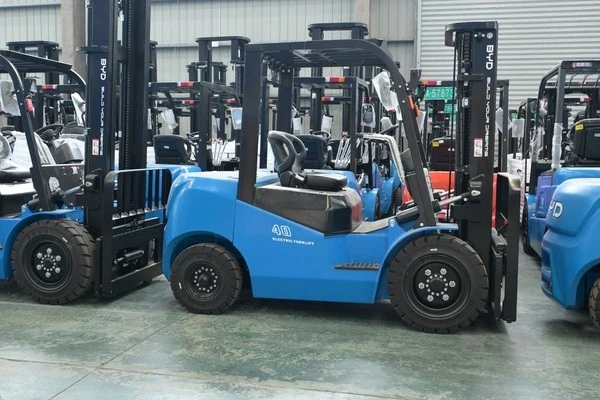
Each mast section adds extension that enables greater lift height. More sections create more joints between moving mast components. Joints introduce potential flex that reduces overall rigidity when the mast reaches full extension. 5 ton electric forklifts use two, three, or occasionally four mast sections depending on intended lift height. Two-section duplex masts have fewer joints, so they maintain greater rigidity across the full lift range. Three-section triplex masts add an extra inner section to reach greater storage heights, but the additional joint increases flex under maximum load.
Mast Channel Thickness
Mast channels form the vertical structural rails that support moving mast sections and the load carriage. Thicker steel channels resist bending and flex far better than thinner options. This rigidity keeps loads stable during vertical movement, even when carrying the maximum 5 ton rating. Thicker channels add extra weight to the mast assembly. Extra mast weight shifts the center of gravity forward and draws additional energy from the forklift battery, which can reduce run time between charges on some 5 ton electric forklift models.
Lift Chain Size and Strength
Lift chains support the weight of the carriage and load as the mast raises. Higher strength chains handle greater static and dynamic load forces. Undersized chains create safety risks and increase stretch under heavy load, which leads to uneven movement and slower lifting speeds. Most manufacturers match chain strength to the maximum rated capacity of the 5 ton electric forklift, but after-market modifications can introduce mismatched components that reduce overall load capability.
How Mast Design Shapes Vertical Load Handling
Mast design directly interacts with the 5 ton electric forklift’s overall center of gravity. The mast sits at the front of the vehicle, so any shift in mast rigidity or weight directly changes how the forklift distributes load weight across its axles.
Free lift design, which allows the carriage to raise without extending the outer mast sections, also impacts load capability. Full free lift designs enable load movement inside enclosed containers or trailers without extending the outer mast. This design adds extra components to the mast assembly that add weight and reduce maximum allowable load at full extension.
Mast tilt capability also ties into mast specification and load handling. More aggressive tilt angles help drivers position loads accurately during stacking. Tilt range depends on mast channel strength and mounting design. Weaker masts cannot support heavy loads at maximum tilt, so manufacturers limit tilt range when paired with higher lift masts.
Key Tradeoffs When Specifying Masts
Operators must balance lift height needs against load retention when choosing a mast to pair with a 5 ton electric forklift. The most common tradeoffs appear across three core areas:
First, lift height versus maximum load. As lift height increases, maximum allowable load decreases. This relationship holds across all 5 ton electric forklift models, because taller masts have greater flex and higher center of gravity. A mast that reaches 6 meters may only allow 60 percent of the full 5 ton rating at full extension, while a 3 meter two-stage mast retains 100 percent of the rated capacity across its full range.
Second, maneuverability versus rigidity. Narrower masts work better in tight aisle warehouse layouts, but narrow channels have less structural strength than wider options. Narrow aisle masts often reduce maximum allowable load compared to standard width masts on the same 5 ton electric forklift model.
Third, weight versus battery life. Heavier, more rigid masts improve load stability, but they draw more power from the electric forklift battery. This reduces total run time per shift, requiring more frequent charging or additional battery swaps.
Practical Selection Guidance For Common Use Cases
Selection depends on your specific operational needs. Below you can find guidance aligned with common 5 ton electric forklift applications:
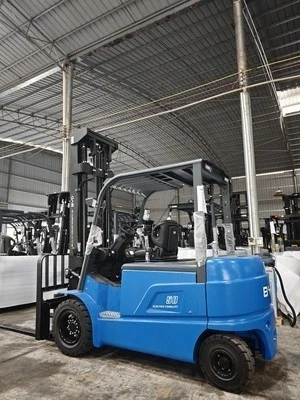
Outdoor loading and unloading of transport vehicles: This application rarely requires lift height greater than 3.5 meters. Choose a two-stage duplex mast with standard thickness channels. This option retains the full 5 ton rated capacity across its entire lift range and delivers the rigidity needed to handle uneven load distributions.
High bay warehouse storage: If you need lift height greater than 4.5 meters to access stacked pallets, choose a three-stage triplex mast. Confirm the manufacturer load chart to verify the allowable load weight at your maximum required lift height before you start daily operations. Plan for reduced load capacity at full extension, and avoid overloading the mast even if the forklift chassis has a 5 ton rating.
Narrow aisle warehouse operations: Choose a narrow mast designed specifically for tight aisle layouts. Check the maximum allowable load for your operating lift height, and adjust your standard load weight to match the mast’s rating.
Container loading and unloading: Full free lift masts work best here, because they let you raise loads inside enclosed containers without extending the outer mast. Remember that the added components of a full free lift design reduce maximum allowable load, so confirm capacity before handling heavy cargo.
Frequently Asked Questions
Does higher lift height reduce load capacity on a 5 ton electric forklift?
Yes, almost all 5 ton electric forklift models reduce maximum allowable load as lift height increases. Taller masts have greater flex and a higher center of gravity, which reduces stability. Manufacturers publish official load capacity charts that list allowable load weight at every possible lift height, so operators can reference these documents before handling heavy loads.
What mast type delivers the best heavy load handling performance?
Two-stage duplex masts deliver the greatest rigidity and retain full 5 ton rated capacity across almost all their lift range. This design fits applications with lower lift height requirements, like loading and unloading transport trailers. Three-stage triplex masts deliver greater lift height for warehouse storage, but they cut maximum allowable load at full extension.
Does mast channel thickness affect load stability?
Yes, thicker steel mast channels improve overall rigidity and reduce flex under heavy load. Less flex keeps loads stable during vertical movement, especially at full extension. Thicker channels add extra weight to the mast, which can reduce battery run time on some 5 ton electric forklift models.
Can I modify my existing mast to increase load capacity?
After-market mast modifications carry significant safety risks and rarely increase allowable load capacity. The forklift chassis, hydraulic system, and mast are engineered to work together as a single system. Changing any single mast component can throw off the balance and create dangerous instability during operation. Always work with authorized manufacturers when changing mast specifications on your 5 ton electric forklift.