Electric Forklift Price: Questions to Ask About Duty Cycle and Motor Rating Before Comparing Four-Wheel Counterbalance Quotes
News 04/11/2026
An electric forklift price quote only becomes comparable once you know the duty cycle and motor rating behind it. Two four-wheel counterbalance electric forklifts can look similar on a spec sheet yet carry very different prices because one is built to run a single shift on level floors and the other is configured to handle heavier, longer or more demanding work. Before you line up quotes, ask the questions below. They help you separate a genuine like-for-like comparison from a price gap that reflects different assumptions.
Why Duty Cycle and Motor Rating Drive Electric Forklift Price
Duty cycle describes how hard and how often the truck works: shift length, hours of actual movement, load weight relative to capacity, lift height, ramp use and how much time is spent idling. Motor rating describes the capability of the drive and hydraulic motors, usually expressed as power and sometimes as a duty rating. Together they influence the battery, controller, cooling and structural choices a supplier makes, and those choices show up in the price.
A quote built around light, intermittent use may use a smaller battery and a more modest motor specification. A quote intended to sustain continuous heavy handling may need a larger battery, a more robust motor and thermal design, and a higher-capacity controller. Neither is automatically better; each is appropriate to a different workload. The trap is comparing the first price with the second without matching the underlying duty assumptions.
Be careful with motor figures. A single power number tells you little unless you know whether it is peak or continuous, measured at what condition, and paired with which controller and battery. Ask suppliers to state the basis of any rating they quote and to confirm which figures come from published manufacturer technical data rather than sales shorthand.
Questions to Ask About Duty Cycle
Duty cycle questions turn a vague description into selection criteria. Use them to describe your operation precisely, then check that each quote reflects the same picture.
How many hours and shifts will the truck actually run?
Ask how many hours per shift the forklift is moving, lifting and idling, and how many shifts per day. A truck that runs a few hours intermittently is a different proposition from one that works most of a long shift. Confirm whether the quoted battery and charging arrangement are intended to cover that pattern, and whether opportunity charging or battery exchange is assumed.
What loads, lift heights and load centers apply?
Give the supplier the heaviest typical load, the maximum lift height and the load center at which the load is carried. Capacity is not a single fixed number; it depends on load center and lift height. Ask each supplier to confirm the rated capacity at your actual load center and height, not just the headline capacity. If your loads vary, describe the range and the frequency of the heaviest lifts.
What floor, ramp and aisle conditions affect the work?
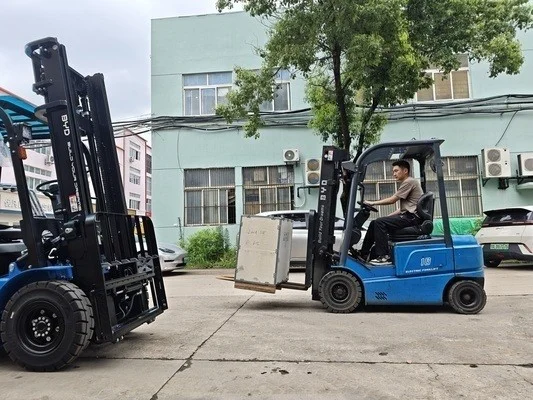
Describe floor surface, inclines, door thresholds and aisle width. Ramps and poor surfaces increase demand on the drive system and energy use. Narrow aisles may affect the truck configuration you can use. If a supplier’s quote assumes smooth, level floors and your site has ramps, the price may not reflect the work the truck must do.
How much of the cycle is lifting versus travel?
Lifting and lowering load the hydraulic system; travel loads the drive system. A operation dominated by high lifts stresses different components than one dominated by long horizontal runs. Ask whether the quoted configuration was selected around your actual mix, and what changes if that mix shifts.
What charging window and infrastructure exist?
Ask what charging time and power supply the quote assumes. Available charging windows, electrical capacity at the charging point and whether the truck can charge during breaks all affect battery sizing and therefore price. If your site cannot support the assumed charging pattern, the quote may need to change.
Questions to Ask About Motor Rating and Configuration
Motor and configuration questions help you check that the mechanical and electrical specification matches the duty cycle you described.
What is the basis of the stated motor rating?
Ask whether the figure is continuous or peak, what test or published data supports it, and how it relates to the controller and battery supplied. Request the manufacturer technical data sheet rather than accepting a number in an email. If a supplier cannot explain the basis, treat the figure as unverified.
Which battery chemistry and capacity are quoted, and why?
Lithium battery configurations are common in new electric counterbalance trucks, but capacity and charging capability still vary. Ask what capacity is quoted, what duty pattern it is intended to support, and what warranty terms apply. Confirm whether the battery is included in the price and whether the charger is as well.
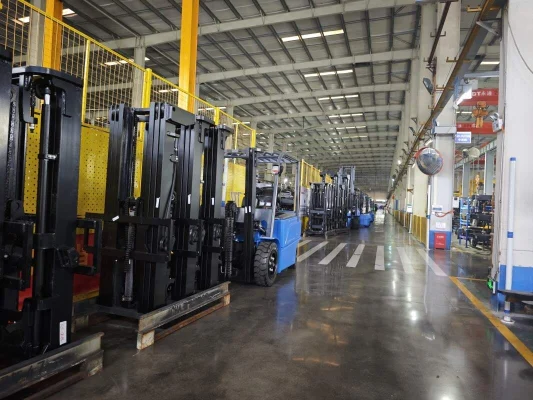
How is the truck configured for my lift height and attachments?
Mast type, lift height, free lift and any attachment change both capability and price. Ask what mast and attachment assumptions sit behind the quote, and whether capacity at height has been checked. An attachment can reduce rated capacity, so confirm the net capacity at your working height.
What does the price include beyond the bare truck?
Ask what is included: battery, charger, delivery, commissioning, operator familiarisation, warranty and service arrangement. A lower headline price may exclude items another quote includes. Build a simple comparison table with the same line items on each side.
Building a Like-for-Like Comparison
Once you have answers, put them side by side. The table below is a structure you can copy; fill it with confirmed figures from each supplier rather than estimates.
| Comparison item | What to confirm |
|---|---|
| Duty pattern | Hours per shift, shifts per day, proportion of travel versus lift |
| Load and height | Typical and maximum load, load center, maximum lift height, attachments |
| Site conditions | Floor surface, ramps, aisle width, indoor or outdoor use |
| Motor rating | Continuous or peak basis, source document, controller pairing |
| Battery and charging | Chemistry, capacity, charger included, charging window assumed |
| Configuration | Mast, lift height, attachment, rated capacity at working height |
| Commercial scope | Delivery, commissioning, warranty, service, training |
Where a supplier cannot confirm a line, mark it as open rather than assuming a value. A price with several open lines is not yet a comparison; it is a starting point.
As a hypothetical example, imagine two quotes a few thousand apart. One assumes one shift with light loads and level floors; the other assumes two shifts with heavier loads and a ramp. The second may cost more because it includes a larger battery and a more robust configuration. The useful question is not which number is lower, but which quote matches your actual duty cycle. If neither does, ask both suppliers to re-quote against the same written brief.
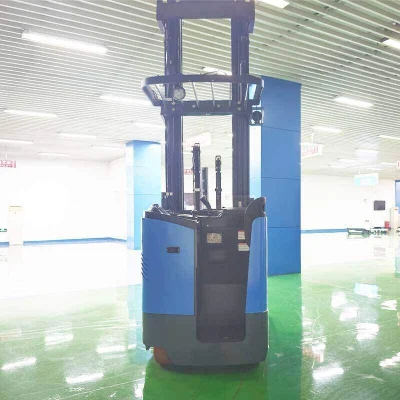
If you are evaluating four-wheel counterbalance electric forklifts, share your load, lift height, shift pattern and charging conditions with the supplier so the selection and configuration can be matched to the work. Specific models, capacities and prices should come from the manufacturer technical data and a written quote, not from general assumptions.
Frequently Asked Questions
Does a higher motor rating always mean a higher electric forklift price?
Not necessarily on its own. Price reflects the whole configuration, including battery, controller, mast, attachments and commercial scope. A higher motor rating may accompany a higher price, but you should compare the complete specification against your duty cycle rather than judging by one figure.
Can I compare quotes if suppliers describe duty cycle differently?
Only after you align the descriptions. Write a short brief covering hours per shift, loads, lift heights, load centers, floor and ramp conditions and charging windows, then ask each supplier to quote against that same brief. This reduces the chance that price differences come from different assumptions.
What if a supplier will not provide motor rating documentation?
Ask again specifically for the published manufacturer technical data supporting the rating. If it is still unavailable, treat the rating as unverified and note it as an open item in your comparison. Do not fill the gap with an assumed number.
How does battery choice affect the quoted price?
Battery chemistry, capacity and whether a charger is included can all change the price. Ask what duty pattern the quoted battery is intended to support and what charging arrangement is assumed. Confirm these items are stated in writing so the comparison remains like-for-like.