Proactive Maintenance: Maximizing Electric Forklift UK Fleet Uptime
News 08/10/2026
Unplanned downtime costs UK material handling operations thousands of pounds annually, especially when electric forklifts sit idle mid-shift. Proactive maintenance helps fleet leaders catch small issues before they turn into costly breakdowns, keeping operations running consistent across shifts and sites.
Core Benefits Proactive Maintenance Delivers to Electric Forklift Fleets
Reduced Unplanned Downtime
Unplanned downtime stops loading, unloading and internal transport operations, creating backlogs that push delivery deadlines back and increase labor costs. Proactive maintenance schedules catch wear on key components like battery connections, brake pads and motor contacts early, when repairs take less time and cost less money. UK fleet operators report consistent improvements in available equipment when they shift from reactive to proactive schedules.
Extended Equipment Service Life
Electric forklifts rely on consistent care to maintain peak performance across their service life. Small issues like loose wiring or undercharged batteries cause gradual damage that cuts service life years early. Proactive checks address these issues before cumulative damage occurs, letting organizations keep their equipment longer and delay large capital purchases.
Lower Overall Operating Costs
Emergency repair costs often run two to three times higher than scheduled proactive repairs, because rush service carries premium fees and requires expedited shipping of replacement parts. Proactive maintenance lets you plan repairs during off-hours or slow shifts, avoiding premium labor and rush delivery fees. It also reduces risk of secondary damage from small unaddressed issues, which can require full component replacement instead of simple adjustments.
Key Maintenance Checks UK Electric Forklift Operators Should Complete
Proactive maintenance does not need to be overly complex. Most core checks fit into existing daily or weekly routines, without adding significant extra work to your teams.
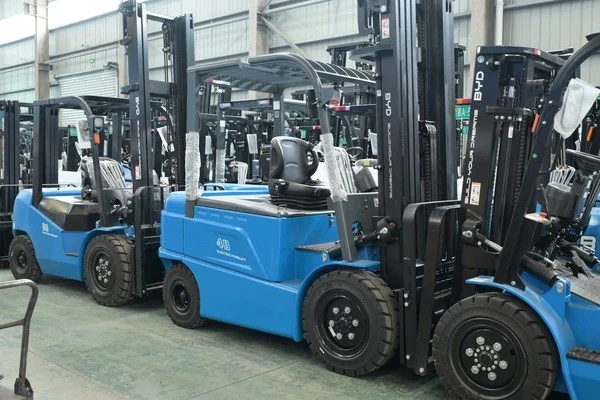
Daily Pre-Shift Checks
Operators can complete these checks in five minutes before each shift starts. Key areas include:
- Battery charge level and visual inspection of leaks or corrosion on terminals
- Brake function test, including parking brake engagement and release
- Tire pressure and visual inspection of cuts, punctures or excessive wear
- Steering responsiveness and mast movement checks
- All safety features, including horns, lights and seat belts, confirm proper function
Documenting these checks helps identify recurring issues that need deeper inspection, and keeps your fleet compliant with UK health and safety requirements of work equipment.
Weekly and Monthly Scheduled Checks
More in-depth checks happen on weekly or monthly cycles, depending on how many hours your forklift operates weekly. Key tasks include:
- Tightening all loose electrical connections to prevent power drops or overheating
- Cleaning battery terminals to remove corrosion that reduces battery life
- Inspecting hydraulic system of leaks and topping up fluid as needed
- Testing emergency lowering function of the mast
- Checking mast chains of proper tension and wear
Annual Professional Inspections
UK work equipment regulations require thorough annual inspections of lift trucks, carried out by competent persons. Proactive fleet managers coordinate these inspections alongside any scheduled major maintenance, addressing issues inspectors identify before they cause downtime.
Common Limitations Proactive Maintenance Programs Face
Proactive maintenance brings clear benefits, but it has limitations you should account for when building your program:
- It requires consistent documentation and follow-through: missed checks leave small issues unaddressed, defeating the core purpose of proactive maintenance.
- Battery degradation still happens over time: proactive maintenance can slow degradation, but it cannot reverse age-related capacity loss. You will still need to schedule battery replacement after 3-5 years of regular use, depending on charging habits.
- It requires up-front time investment: teams new to proactive maintenance need time to build routines, so you may see small productivity dips during the transition period.
Frequently Asked Questions
How often should I service my electric forklift in the UK?
Service frequency depends on how many hours your forklift operates. For high-use equipment (over 40 hours weekly), complete full service every three months. For medium use (20-40 hours weekly), service every six months. For low use (under 20 hours weekly), annual full service works, paired with monthly operator checks. You must also complete a mandatory annual inspection by a competent person to meet UK PUWER regulations.
What is the biggest cause of unplanned downtime across electric forklift fleets?
Battery issues top the list. Corroded terminals, improper charging habits and age-related capacity loss cause most unexpected breakdowns. Daily pre-shift battery checks catch most of these issues early, cutting related downtime significantly.
Can small fleet owners implement proactive maintenance without large administrative overhead?
Yes. Simple digital checklists on shared spreadsheets or free mobile apps work well across small fleets. Assign each operator responsibility of pre-shift checks, and schedule monthly 30-minute deep checks by a designated team member. You do not need expensive software to build an effective proactive program.
Does proactive maintenance improve safety across my electric forklift fleet?
Yes. Proactive checks catch faulty brakes, damaged tires and non-functional safety features before they create workplace hazards. This aligns with UK employer obligations to maintain safe work equipment that serves all staff.
Actionable Next Steps
Start small if you are new to proactive maintenance. Roll out daily pre-shift checklists across your entire electric forklift fleet first, then add monthly deep checks once routines stick. Review your downtime logs after three months to measure improvements, and adjust your schedule based on issues your team catches most often. Even basic proactive maintenance delivers measurable uptime gains across UK electric forklift fleets, reducing costs and keeping operations consistent.