How Many Types of Forklift Are There: A Classification Guide Aligned With Facility Layout And Maneuverability Requirements Informing Industrial Equipment Selection Decisions
News 11/10/2026
Core Forklift Classifications By Maneuverability And Use Case
When answering how many forklift types exist, most classifications group options based on design, maneuverability and intended work environment. Below are the most common core categories you will encounter during equipment selection.
Counterbalance Forklifts
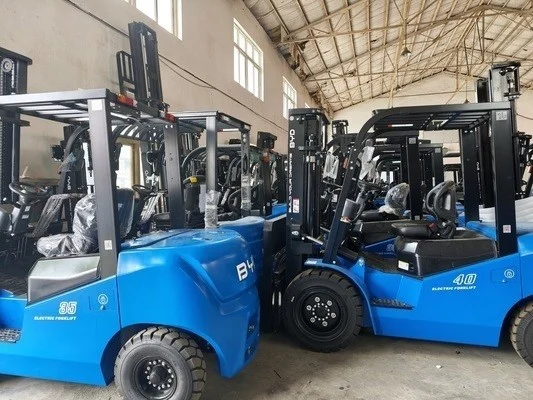
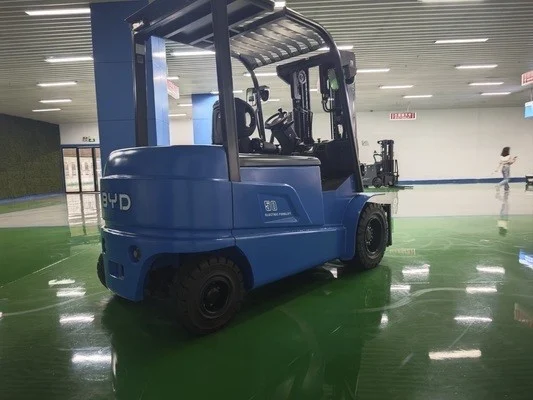
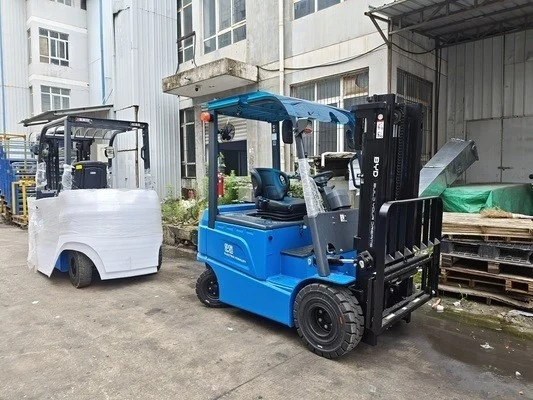
Counterbalance forklifts feature added weight to the rear, offsetting heavy loads attached to the front forks. These units perform best in open, unobstructed areas, as they require wider turning space than alternative designs. Most counterbalance models run on internal combustion engines or electric power, and handle outdoor and indoor tasks depending on tire type. Their straightforward control design lowers training barriers new operators.
Narrow Aisle Forklifts
Narrow aisle forklifts include reach trucks and side loaders, built specifically to operate within tight warehouse spaces. Their design cuts turning radius dramatically, allowing higher storage density within existing facility footprints. Most models operate indoors, moving palletized loads between high racking systems.
Stand-Up Rider Forklifts
Stand-up rider forklifts let operators exit quickly between load drops, supporting order picking tasks alongside horizontal transport. These designs also offer smaller footprints and tighter turning than counterbalance units, making them popular in distribution centers.
Rough Terrain Forklifts
Rough terrain forklifts feature large, rugged tires and high ground clearance, built to handle uneven, unpaved surfaces common in construction sites and outdoor lumber yards. Most use internal combustion engines powerful enough to handle heavy, bulky loads in uneven conditions.
Matching Forklift Types To Your Facility Layout
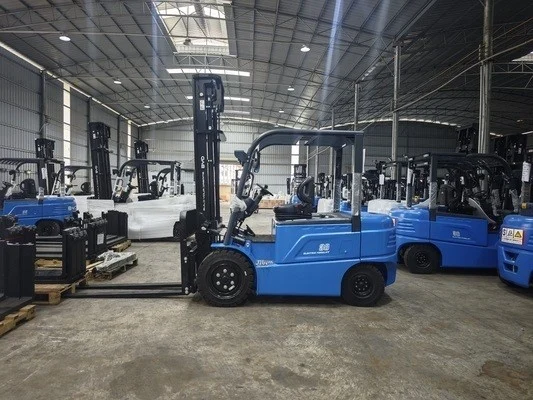
Your facility’s physical dimensions directly impact which forklift type works best. Open outdoor yards or large, widely spaced storage bays accommodate full-size counterbalance forklifts without issue. These units cost less upfront than specialized narrow aisle models, making them cost-effective choices matching operations with ample space.
Warehouses with aisles less than 12 feet wide require narrow aisle or stand-up rider designs. Standard counterbalance units cannot turn within these spaces, leading to damaged racking, product loss and operator frustration. Adopting a purpose-built narrow aisle model lets you add more storage racking without expanding your facility’s overall footprint.
Outdoor sites with uneven ground require rough terrain forklifts. Using a standard indoor forklift on unpaved or uneven ground increases risk of tip-over, tire damage and operational failure. Always match the forklift’s design to your most common work surface.
Key Selection Considerations Beyond Classification
Beyond facility layout and maneuverability, additional factors guide your final decision. Load capacity is one critical factor: each forklift has a maximum rated load weight, and exceeding this limit creates serious safety hazards. Lift height also matters, as high-bay racking requires forklift models capable of reaching maximum rack elevation.
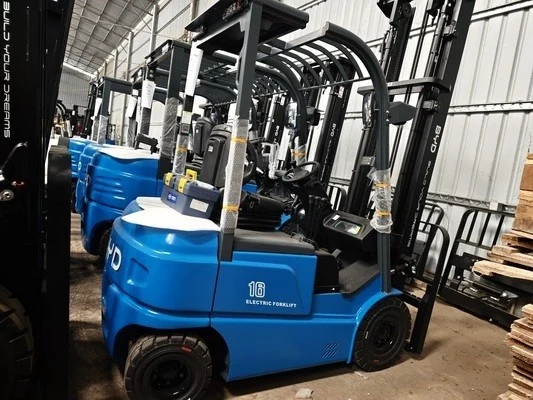
Power source also impacts operational fit. Electric forklifts produce zero emissions indoors, making them well suited to enclosed warehouse spaces. Internal combustion models deliver higher torque and easier refueling, better suited to continuous outdoor operation.
Operator comfort and training requirements also vary by type. Stand-up rider models require less storage space, but operators need specific training supporting safe operation. Counterbalance models use more familiar controls, shortening training time required by new operators.
Frequently Asked Questions
What is the most common forklift type?
Counterbalance forklifts remain the most widely used across most industrial and material handling applications. Their versatile design works across many different open-layout work environments, and lower upfront costs make them accessible to small and mid-sized operations.
Can counterbalance forklifts work in narrow aisles?
Most standard counterbalance forklifts require turning aisles at least 12 feet wide. Any aisle narrower than this measurement increases risk of collisions with racking or product, so specialized narrow aisle models deliver better results in tight spaces.
Are electric forklifts better than internal combustion models?
Electric models work best in indoor enclosed spaces due to zero emissions. Internal combustion models deliver better performance in outdoor rough or heavy-duty use. There is no universal “better” option, fit depends entirely on your specific operational needs and work environment.
Do I need multiple forklift types covering multiple job tasks?
Many operations benefit from multiple forklift types handling different tasks. One example: a single facility might use counterbalance units to unload delivery trucks, reach trucks to move pallets within narrow racking aisles, and stand-up riders supporting order picking tasks. Matching the tool to each specific task improves efficiency and extends equipment service life.