Integrating Factory Electric Forklifts Into Automated Industrial Material Handling Workflows
News 11/10/2026
Many manufacturing facilities seek to update existing material handling workflows by adding flexible electric lifting equipment. Factory electric forklifts bring scalable performance that fits both semi-automated and fully automated production environments. Integration requires intentional planning to align with existing automation, avoid workflow disruptions, and deliver expected efficiency gains. This guide walks through core steps, selection guidance, and common challenges facilities teams face during this process.
Key Pre-Integration Assessment Steps
Before any equipment purchases or workflow changes, facilities teams must complete structured assessments to identify integration needs and potential risks. Two core assessment areas help set clear project expectations.
Map Current Workflow Bottlenecks
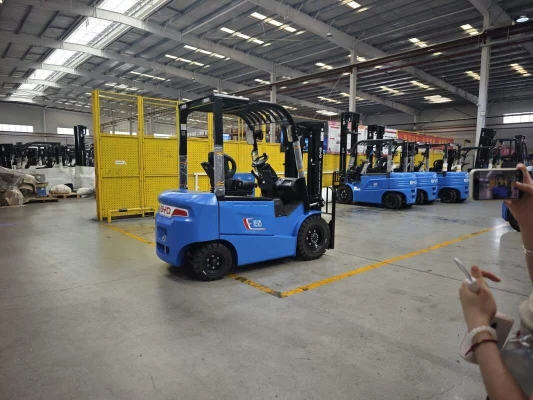
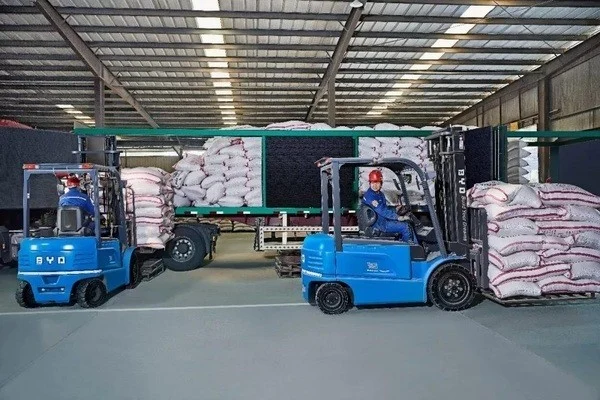
Start by documenting every material movement step across the facility. Note points where manual handling creates delays, or where existing automation cannot adapt to variable load sizes or delivery routes. Factory electric forklifts work well filling gaps between fixed automation lines, such as moving finished pallets from production lines to storage areas. Document load weights, travel distances, and shift schedules to inform later equipment selection. This mapping also helps identify safety zones where forklifts will interact with human workers or other automated systems. Many teams also document peak throughput periods to understand how new forklifts will impact overall output during high-demand windows.
Verify Compatibility With Existing Automation Systems
Most modern automated material handling workflows rely on warehouse management systems (WMS) and industrial internet of things (IIoT) networks to coordinate equipment movement. Confirm your existing system supports open communication protocols that connect to new factory electric forklifts. Common compatible protocols include MQTT and OPC UA, which enable real-time data sharing between the WMS and forklift control systems. Facilities with older automation systems may need a middleware layer to translate data between old and new equipment. Compatibility testing during a pilot trial eliminates unexpected communication issues before full deployment.
Selection Guidance And Integration Limitations
Not all factory electric forklifts work well in automated workflows. Selection depends on your specific workflow design and facility constraints, and every integration project faces common limitations that require advance planning.
Core Selection Criteria
Prioritize models with navigation sensors that match your facility environment. Automated operation requires LiDAR or vision-based sensors to avoid obstacles and follow pre-programmed routes. Facilities requiring flexible routing choose models that support dynamic route adjustment via WMS commands. Many teams prioritize models with modular control systems, which allow easier updates as workflow requirements change over time. Modular designs also reduce upgrade costs when facilities expand automation coverage to new production areas. Battery capacity must match full-shift operation without unplanned mid-shift charging, which can disrupt workflow throughput. If your facility uses opportunity charging along routes, confirm the forklift supports fast charging interoperability with your existing charging hardware. Load capacity must align with the heaviest materials moved regularly, with small headroom built in for unexpected variable loads.
Common Integration Limitations
Even with proper planning, several limitations can impact integration outcomes. First, facility ground conditions impact automated navigation performance. Uneven concrete or cracked flooring can interfere with sensor accuracy, leading to navigation errors. Repairs to flooring add project time and cost that many teams fail to account for early. Second, bandwidth limitations can cause lag in data communication between the WMS and forklifts. Large facilities with many connected devices may need network upgrades to support additional forklift data traffic. Third, strict safety regulations require additional sensor testing when forklifts operate in shared spaces with human workers. Compliance with local industrial safety standards may add extra project requirements that extend timelines.
Frequently Asked Questions
Can factory electric forklifts operate alongside existing automated guided vehicles?
Yes, many modern factory electric forklifts support standard industrial communication protocols that enable safe, coordinated operation alongside existing automated guided vehicles. Facilities must run a multi-week pilot trial to test coordination logic and resolve any conflicts in route planning before full deployment.
What infrastructure updates are required before integration?
Most projects require network capacity upgrades to support consistent, low-latency data connection for connected forklifts. Teams also need to add dedicated charging stations placed along core workflow routes, or install opportunity charging points at existing workflow stops. Facilities with uneven or damaged flooring often need surface repairs to support accurate automated navigation.
Do facilities need to retain manual operation capability after integration?
Most facilities retain limited manual operation capability to handle unexpected tasks, emergency situations, or non-standard loads that fall outside pre-programmed automated workflow parameters. This capability adds flexibility without reducing overall automated workflow efficiency.
How does integration impact ongoing maintenance needs?
Integrated automated factory electric forklifts send real-time performance data to your facility management system, allowing teams to schedule preventive service before issues disrupt operations. Maintenance teams need additional training to address both mechanical components and connected digital control systems, compared to stand-alone manual forklifts.
Integrating factory electric forklifts into automated industrial material handling workflows delivers flexible scalability that fixed automation cannot match. Successful projects depend on early workflow assessment, compatibility testing, and realistic planning for infrastructure updates and limitations. By following structured pre-integration steps and selecting equipment aligned with your facility’s specific needs, teams can reduce disruptions and achieve lasting efficiency gains.