Ergonomic Cab Design Boosts 3.5 ton electric forklift Operator Productivity
News 11/10/2026
A 3.5 ton electric forklift is a staple workhorse across warehouses, distribution centers, manufacturing facilities, and outdoor storage yards. Operators spend hours each shift completing load moves, loading and unloading trucks, and organizing inventory. The design of the vehicle cab directly impacts how operators feel and perform over the course of a workday, with ergonomic layouts delivering measurable improvements to consistent output. This article breaks down core connections between cab design and productivity, covers key elements that drive gains, outlines selection guidance, and addresses common questions operators and buyers have.
How Ergonomic Cab Design Aligns With Daily 3.5 ton electric forklift Workflows
Daily operation of a 3.5 ton electric forklift requires repeated movements: adjusting forks, changing direction, checking surroundings, and maneuvering in tight spaces. Poor cab design forces operators into awkward positions to complete these basic tasks, leading to gradual fatigue that slows work and increases error rates. Ergonomic design structures the cab around natural human movement, eliminating unnecessary strain and keeping operators focused on their tasks.
Reduced Fatigue Delivers Consistent Output Across Shifts
Fatigue builds quickly when operators must twist, stretch, or overreach to reach controls or clear sight lines. A 3.5 ton electric forklift used in high-volume loading operations sees more stops and starts than smaller units, so repeated awkward movements add up quickly over an 8-hour shift. Ergonomic cabs eliminate unnecessary movement, so operators maintain consistent speed and accuracy from the start of a shift to its end. Many operations note fewer late-shift errors that cause product damage or work delays when using cabs built with ergonomic principles.
Key Cab Design Elements That Drive Productivity Gains
Not all ergonomic upgrades deliver the same level of benefit. Certain core design elements have the largest impact on operator productivity with a 3.5 ton electric forklift.
Customizable Control Placement
Modern ergonomic cabs let operators adjust control positions to match their body size and preferred hand placement. This customization eliminates overreaching, a leading cause of operator wrist and shoulder strain during daily operation. Operators complete hydraulic adjustments and direction changes faster, with fewer missteps that waste time or cause accidental load shifts.
Unobstructed All-Around Visibility
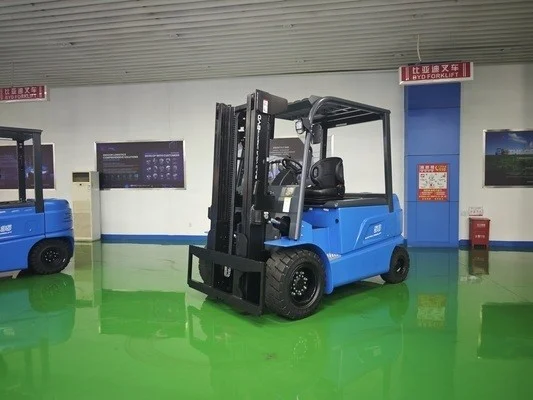
Mast and pillar design directly impacts visibility from the cab. Ergonomic designs thin structural pillars and shape mast framing to cut blind spots around the 3.5 ton electric forklift. Operators spot obstacles, align forks with pallets, and maneuver in tight loading docks faster, with lower risk of minor collisions that cause delays and equipment damage. Better visibility also reduces the need to lean or twist to check surroundings, further cutting physical strain.
Vibration And Noise Dampening
Electric forklifts produce lower noise than internal combustion models, but uneven warehouse floors and heavy load movement still generate vibration that travels through the cab. Ergonomic designs add padded flooring, suspended seat systems, and insulated cab panels to reduce vibration transfer. This cuts whole-body fatigue that slows reaction times and leads to unscheduled breaks. Lower noise levels also reduce operator mental fatigue over long shifts.
Selection Considerations And Limitations When Evaluating 3.5 ton electric forklift Cabs
Ergonomic cab design delivers clear productivity benefits, but buyers must match features to their specific operation to maximize value. There are also key limitations to consider before making a purchase decision.
Match Features To Your Operation Usage
Operations running multiple consecutive shifts with a single 3.5 ton electric forklift see the largest productivity gains from full ergonomic upgrades. Teams that use the unit only a few hours each day may not need all available features, which can add upfront cost to the equipment purchase. Operations working in cold storage need additional ergonomic features like heated seats, which keep operators comfortable and productive in low temperatures. Outdoor yards with uneven terrain benefit from upgraded vibration dampening to reduce fatigue over bumpy surfaces.
Common Limitations To Note
Ergonomic cab design reduces fatigue but cannot offset poor operator training or overloading of the 3.5 ton electric forklift beyond its rated capacity. Additional padding and adjustability can also add slight bulk to the cab, which may cause issues in extremely narrow aisle operations where every inch of clearance matters. Buyers should measure aisle width before selecting a cab with upgraded ergonomic features to ensure sufficient clearance remains. When comparing options, prioritize adjustable controls and visibility over optional luxury features, as these two elements deliver the biggest productivity gains across most daily operations.
Frequently Asked Questions
Does ergonomic cab design increase upfront cost of a 3.5 ton electric forklift?
Most ergonomic cab upgrades add a small percentage to the total purchase price of a 3.5 ton electric forklift. Many operations offset this cost within a few years through reduced worker fatigue-related absences and higher daily output. The exact payback period varies based on how often the unit sees use and the current labor costs associated with your operation.
Can I add ergonomic upgrades to an existing 3.5 ton electric forklift?
Some basic upgrades, like adjustable ergonomic seats and padded floor mats, work with many existing 3.5 ton electric forklift models. Changes to control placement or structural pillar visibility require factory-level modifications that are rarely cost effective on existing units. Buyers should specify ergonomic cab features when placing a new equipment order to get the full benefit.
Do ergonomic cabs improve safety alongside productivity?
Yes, better visibility and reduced fatigue lower risk of human error that leads to workplace incidents. Fewer awkward movements also lower risk of long-term repetitive motion injuries among operators who use the equipment regularly. This combination of higher productivity and lower safety risk makes ergonomic cabs a solid investment for most operations.
Overall, ergonomic cab design directly supports higher consistent productivity from operators working with a 3.5 ton electric forklift by reducing unnecessary strain and eliminating barriers to fast, accurate task completion. By matching cab features to your operation specific needs and noting existing limitations, you can select a unit that delivers long-term value to your material handling workflow.