Lithium-Ion Battery Integration Improves 3.5 ton electric forklift Throughput In Multi-Shift Industrial Operations
News 13/10/2026
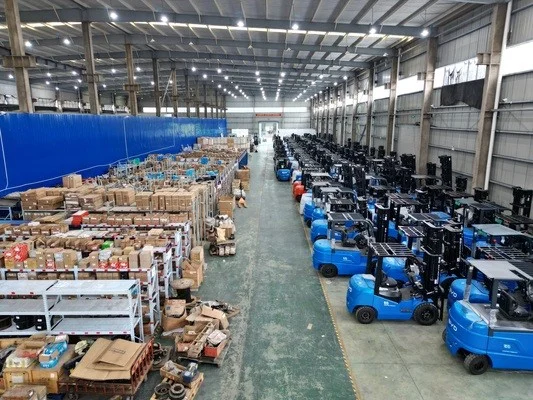
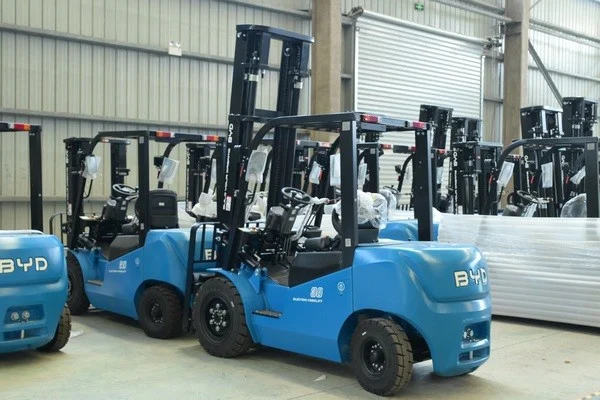
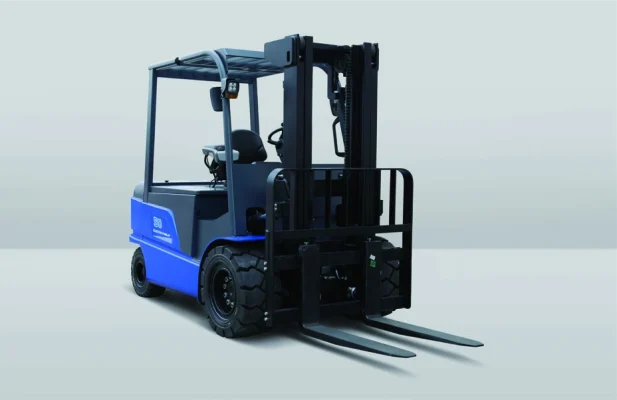
Many industrial facilities rely on 3.5 ton electric forklift to move heavy loads across warehouses, manufacturing lines and distribution yards. Multi-shift operations demand continuous equipment availability to meet production and shipping targets. Lithium-ion battery integration has emerged as a common upgrade path that directly impacts overall operational throughput. This guide covers core benefits, practical limitations and common questions related to this upgrade.
Core Performance Benefits Of Lithium-Ion Integration
Multi-shift operations rely on continuous equipment availability. Lead-acid batteries common in older 3.5 ton electric forklift designs require hours of charging plus cooling time between shifts. Many operations swap batteries between runs, which adds 15 to 30 minutes of unproductive downtime per shift. Lithium-ion batteries eliminate this swap requirement. Most units accept opportunity charging during planned breaks, such as lunch or shift handoff periods, so the battery reaches full or near-full capacity without dedicated off-site charging space.
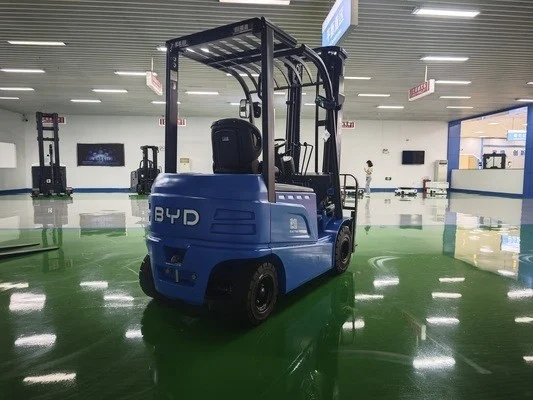
3.5 ton electric forklift operating in warehouses, distribution centers and manufacturing yards gain more uptime, which directly translates to higher overall throughput. Higher charge efficiency also reduces energy waste, which aligns with site-wide sustainability goals. Lithium-ion batteries also maintain consistent voltage output through the entire discharge cycle, so the 3.5 ton electric forklift retains full lifting power even when charge drops below 20%, unlike lead-acid alternatives that lose power as charge depletes. That consistent power means faster load movement and fewer delays during peak production runs.
This increased uptime directly adds to the total number of load movements a single 3.5 ton electric forklift can complete within a 24 hour period. Operations running three shifts per day often free up enough time to handle additional order volume without purchasing extra forklifts or adding extra staff hours. That additional capacity directly improves a site’s overall throughput without major infrastructure overhauls.
Practical Selection And Integration Limitations
Upfront Cost Considerations
Lithium-ion battery systems carry higher upfront purchase costs than comparable lead-acid units built into 3.5 ton electric forklift. Operations must calculate long-term savings from reduced downtime and lower maintenance to offset this initial investment. Small operations running only one shift daily rarely see enough benefit to justify the upgrade.
Site Infrastructure Requirements
Opportunity charging requires compatible charging stations placed near work zones to avoid extra travel time. Facilities must check electrical panel capacity to support multiple simultaneous charging connections during break periods. Lithium-ion batteries also require specific temperature ranges to ensure safe operation; extremely hot or cold unconditioned storage areas may reduce battery lifespan and require additional climate controls.
Compatibility Checks
Not all existing 3.5 ton electric forklift models support direct lithium-ion battery integration. Owners must confirm compatibility with the forklift original equipment manufacturer before purchase. Some older models require updated battery management system software or modified mounting hardware to accommodate lithium-ion packs.
Frequently Asked Questions
Can I retrofit an existing 3.5 ton electric forklift with a lithium-ion battery?
Many modern 3.5 ton electric forklift models support retrofitting, but compatibility depends on the unit’s age, design and battery management system. Always check guidance from the equipment manufacturer before completing any retrofit to avoid safety risks or performance issues.
How much additional throughput can I expect from an upgrade?
Throughput gains vary based on your operation’s current shift structure, existing battery setup and work intensity. Operations that previously completed two battery swaps per day typically see the largest gains, while single-shift operations see minimal or no improvement. No universal throughput increase applies across all sites; your gains depend on your specific workflow.
Do lithium-ion batteries require special maintenance?
Lithium-ion batteries require far less routine maintenance than lead-acid alternatives. They do not need weekly water top-ups or equalization charges, which cuts routine maintenance labor. Owners still need to inspect connections and cooling systems regularly to maintain safe operation.
When your operation runs multiple daily shifts and relies on 3.5 ton electric forklift to meet output targets, lithium-ion battery integration delivers clear throughput gains through reduced downtime and consistent performance. However, the upgrade only makes financial sense when your operation can absorb the upfront cost and meet necessary infrastructure requirements. Always confirm compatibility with your equipment manufacturer before moving forward with any integration project.