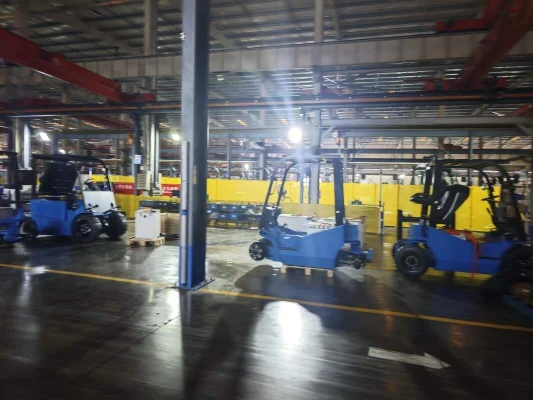
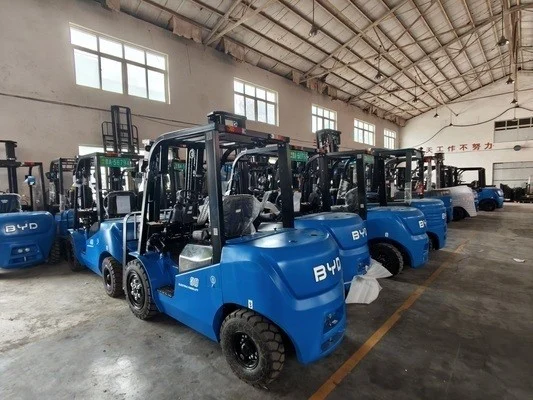
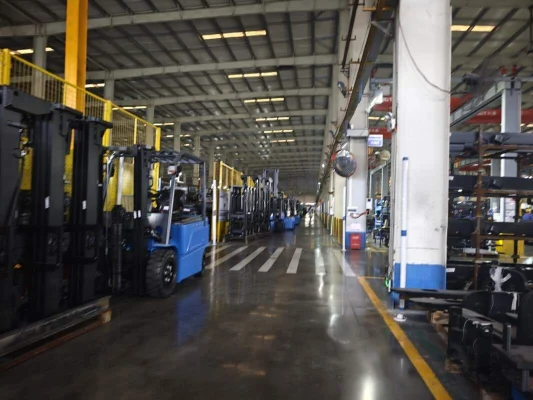
Low-Carbon Compact and Heavy-Duty Electric Forklifts Available Aligning with Diverse Industrial Operational Compliance and Capacity Requirements
News 06/10/2026
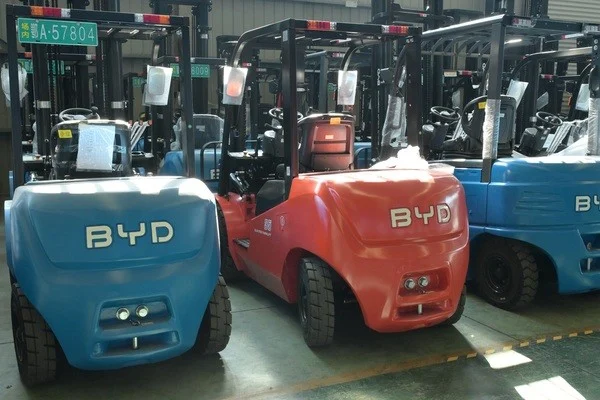
Global industrial operations increasingly prioritize low-carbon material handling equipment to meet regional carbon reduction mandates and indoor air quality rules. Low-carbon compact and heavy-duty electric forklifts fill this need, offering flexible capacity options that align with diverse operational compliance and workflow requirements. Unlike older electric forklift designs, modern units deliver power matching many internal combustion options while keeping emissions at operation site near zero.
What Makes Low-Carbon Electric Forklifts Fit Modern Industrial Needs
Modern industrial facilities face dual pressures: meeting strict sustainability compliance and maintaining consistent production capacity. Low-carbon electric forklifts address both priorities. Compact models fit into narrow aisles common in retail distribution centers and food processing facilities, while heavy-duty models handle large, bulky loads found in manufacturing yards and container terminals. All electric designs eliminate tailpipe emissions, helping facilities meet indoor air quality standards and regional carbon reduction targets without sacrificing lifting power.
Key Selection Guidelines
Compact Electric Models: Ideal Use Cases
Compact low-carbon electric forklifts work best in indoor operations with limited space. One common application scenario includes small to mid-sized warehouses, grocery distribution centers, food and beverage production facilities, and retail back-of-house storage. These models typically offer lifting capacities ranging from 1 ton to 3 tons, enough for standard palletized goods and regular daily workflow. Their small turning radius lets operators maneuver in aisles as narrow as 10 feet, maximizing storage density within existing facilities.
Key limitations: Compact models are not designed for continuous heavy lifting over 8-hour shifts without opportunity charging. They also lack aggressive traction and underbody clearance needed for prolonged use on uneven outdoor ground, so they work best in controlled indoor environments.
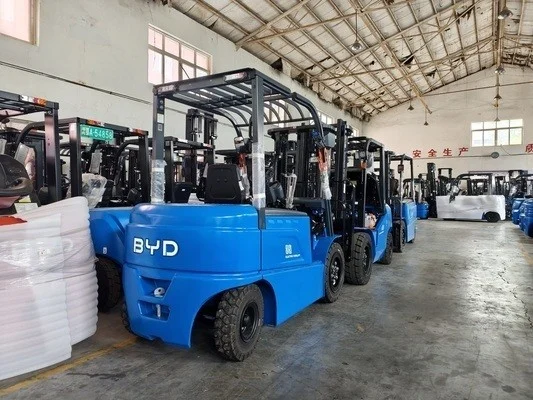
Heavy-Duty Electric Models: Application Scope
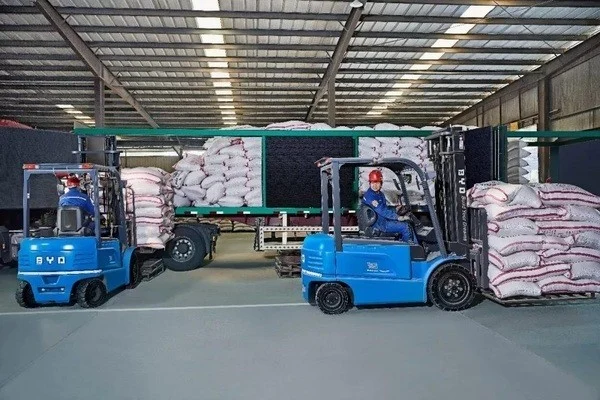
Heavy-duty low-carbon electric forklifts deliver lifting capacities starting at 4 tons, with some top models reaching over 18 tons. These units suit outdoor and heavy industrial use cases including steel storage yards, port container handling, large manufacturing facilities, and lumber distribution centers. Many port and freight hubs now ban high-emission internal combustion forklifts within port boundaries, so heavy-duty electric models help operations maintain compliance while handling large, heavy loads.
Key limitations: These units require dedicated high-power charging infrastructure to support daily operation. Initial acquisition costs run higher than comparable internal combustion models. Extreme temperatures, either sub-zero freezing or extreme heat above 100 degrees Fahrenheit, reduce battery runtime and require adjusted charging schedules to maintain uptime.
Compliance Alignment Across Different Industries
Different industries face different compliance rules related to emissions and workplace safety. Indoor operations such as food production and pharmaceuticals face strict rules around air quality, eliminating most internal combustion forklift options. Low-carbon electric forklifts meet these rules easily, with zero on-site emissions. Heavy industrial operations and freight hubs face carbon emission caps that require shifting away from fossil fuel-powered equipment. Choosing the correct capacity electric forklift also ensures operations do not overinvest in oversized equipment, keeping capital costs aligned with actual production needs.
Frequently Asked Questions
Are low-carbon electric forklifts compatible with existing facility infrastructure
Most compact low-carbon models work with standard 240V or 480V industrial outlets already present in most facilities. Heavy-duty high-capacity units require dedicated fast-charging stations to support daily operation. Facilities can add opportunity charging stations along break areas to top up battery power during operator breaks, maintaining full shift uptime without major infrastructure overhauls. Existing racking and facility layout rarely need major modifications for compact models, while heavy-duty units simply require aisle clearance matching their larger footprint.
How do low-carbon electric forklifts match diverse capacity requirements
Manufacturers produce a full range of models spanning 1-ton up to 18+ ton lifting capacities. Operations moving small palletized consumer goods select compact 1-3 ton units that fit their space and workflow. Operations moving steel coils, full shipping containers, or large industrial components select heavy-duty 8-18 ton units that deliver required lifting power. This range lets operations match equipment directly to their daily capacity needs, avoiding wasted capital on oversized units or productivity loss from undersized equipment.
What are the most common limitations of low-carbon electric forklifts
Battery performance drops in extreme cold or extreme heat, reducing total runtime per full charge. Initial acquisition costs run higher than comparable internal combustion forklift models. Operations without existing on-site charging infrastructure need upfront capital investment to install required stations before integrating electric units. Compact indoor models also lack the traction and clearance needed for continuous use on uneven outdoor terrain.
Where can buyers find reliable low-carbon electric forklift options
Buyers can access verified options through authorized industrial equipment distributors, manufacturer direct sales channels, and reputable industrial equipment marketplaces. Most suppliers offer flexible purchasing plans and post-delivery maintenance support that fit different operational budget needs. Buyers should always confirm model specifications, compliance certifications, and available service support before completing any purchase.
Final Selection Takeaways
Choosing the right low-carbon electric forklift starts with three core steps: document your facility’s specific compliance requirements, calculate your average daily maximum lifting capacity needs, and assess your existing on-site power infrastructure. Matching these details to either a compact or heavy-duty model delivers long-term benefits including lower operational emissions, compliance with local rules, and optimized productivity aligned with your operational goals.