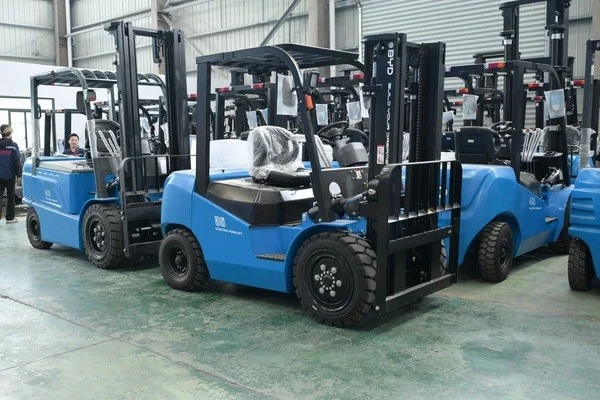
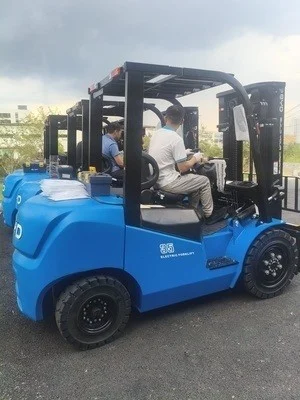
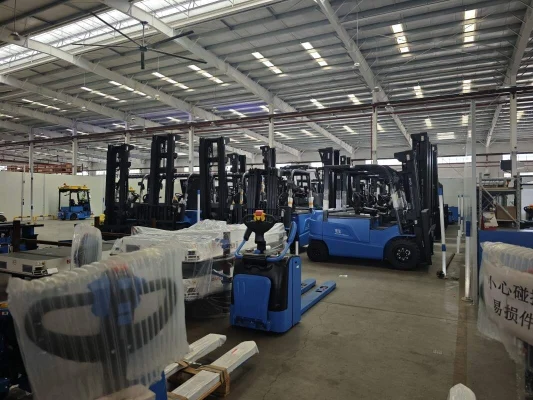
Factory Electric Forklift Emission And Noise Level Compliance Meeting Indoor Production Facility Standards
News 06/10/2026
Indoor production facilities enforce strict workplace health and safety rules protecting on-site teams. Material handling equipment directly impacts air quality and ambient noise levels across production floors. Factory electric forklift designs eliminate most emission sources common internal combustion forklifts generate, bringing most models within standard indoor compliance limits. This guide breaks down core requirements, key evaluation steps, and answers common questions related to indoor compliance.
Core Indoor Production Facility Compliance Requirements
Most regional occupational safety organizations set binding requirements equipment must meet before operation inside enclosed production spaces. Two core metrics drive compliance related to factory electric forklifts: exhaust emissions and operating noise levels.
Emission Requirements
Indoor spaces lack natural ventilation dispersing harmful exhaust fumes. Internal combustion forklifts burn fossil fuels, releasing carbon monoxide, nitrogen oxides, and particulate matter into workplace air. These pollutants create acute and long term health risks affecting on-site workers.
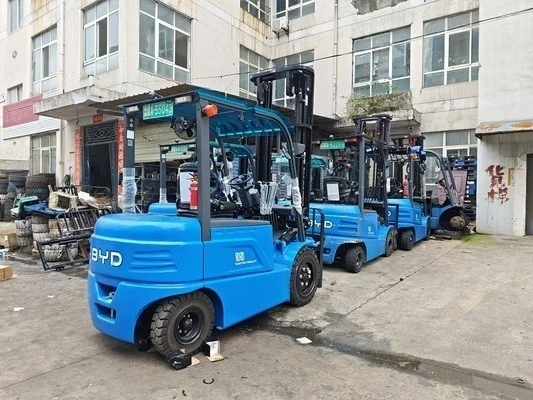
Factory electric forklifts draw power from onboard rechargeable batteries. They produce no direct tailpipe emissions during operation. This zero direct emission profile automatically meets emission requirements nearly all indoor production facilities set. Some facilities require additional checks related to battery charging ventilation, though these rules apply to charging areas rather than operating units on production floors.
Noise Level Requirements
Chronic exposure to high workplace noise causes permanent hearing damage, and excess noise also disrupts communication and productivity across busy production floors. Most standards set maximum allowable 8-hour time-weighted average noise exposure workers face, typically between 85 and 90 decibels depending on regional rules.
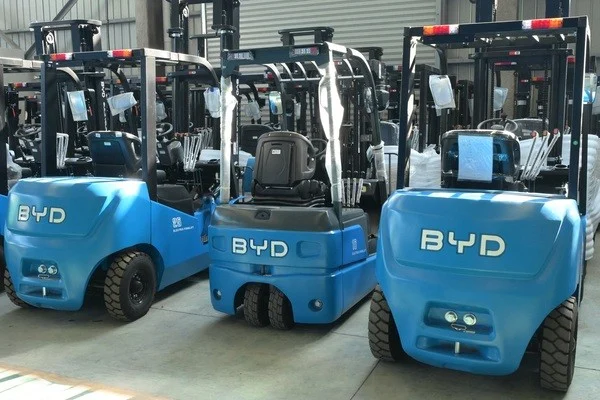
Factory electric forklifts operate with much lower noise output than internal combustion models. Average operating noise levels most factory electric forklifts produce fall between 60 and 75 decibels, well within acceptable indoor limits. Older or poorly maintained units may produce higher noise from worn hydraulic components or loose body panels, so regular maintenance keeps noise levels compliant.
Key Pre-Purchase Compliance Checks
Even though electric forklifts generally meet indoor standards, facility managers should complete several checks before finalizing purchases.
First, confirm your facility’s specific local requirements. Different regions enforce different noise and emission related rules, so check your local occupational safety agency’s published standards before evaluating models.
Second, request noise level data directly from the manufacturer. Reputable manufacturers publish tested operating noise levels their models carry, so you can compare this data against your facility’s limits.
Third, check any additional requirements related to battery type. Some facilities with sensitive production processes may impose additional rules related to battery leakage risk and charging area emissions, so align your battery choice with these rules.
Fourth, test operate the forklift inside your facility to measure noise levels under your actual operating conditions. Facility acoustics can amplify noise in open warehouse spaces or enclosed production bays, so on-site testing confirms compliance before permanent deployment.
Frequently Asked Questions
Do all factory electric forklift models automatically meet indoor facility standards?
Most do, thanks to their zero direct emission profile and low operating noise. Exceptions include very large high-power electric forklifts built primarily with outdoor operation in mind, which may produce higher noise levels exceeding indoor limits. Always check manufacturer noise ratings before purchase.
What additional compliance issues come with factory electric forklift indoor operation?
The most common additional issue relates to battery charging. Lead-acid batteries release small amounts of hydrogen gas during charging, so charging areas require adequate ventilation meeting safety standards. Lithium-ion batteries produce much less hydrogen during charging, so they work better in facilities with limited charging space ventilation.
Can factory electric forklifts operate in mixed indoor-outdoor production facilities?
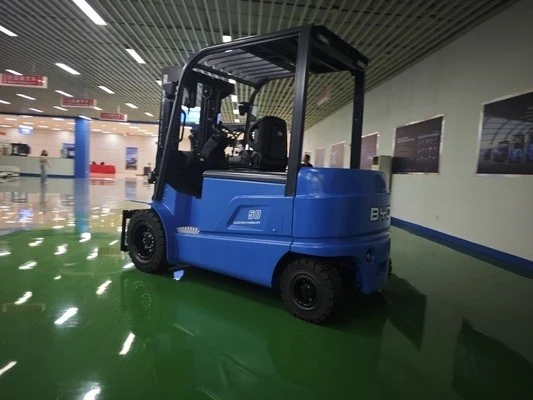
Yes, many models are designed to handle both indoor and outdoor operation. Their emission and noise compliance profiles work in indoor spaces, and many models feature sealed components handling light outdoor exposure and inclement weather. Confirm the model’s weather sealing ratings if your operation requires regular outdoor travel between facility areas.
How often should teams recheck compliance across existing factory electric forklift fleets?
Annual compliance checks align with most workplace safety inspection requirements. Worn components can increase noise levels over time, and degraded battery seals can increase leakage risk, so annual inspections keep your fleet aligned with indoor facility standards.
Conclusions And Action Steps
Factory electric forklifts offer reliable alignment with most indoor production facility emission and noise standards. Core action steps include confirming your local regulatory requirements, requesting manufacturer performance data, completing on-site testing before deployment, and scheduling annual maintenance checks keeping performance within compliant limits. This process ensures your material handling fleet meets safety rules while supporting smooth production operations.