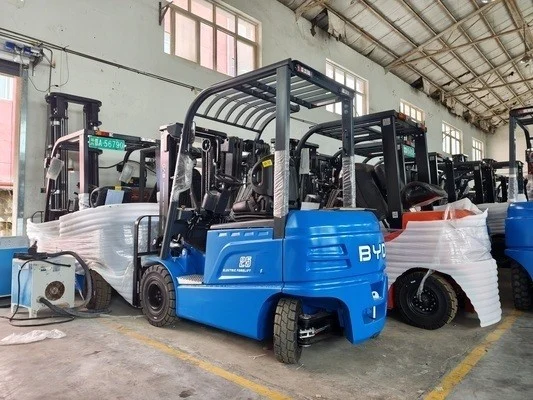
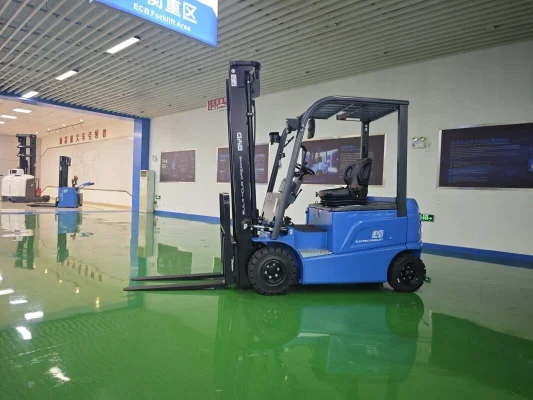
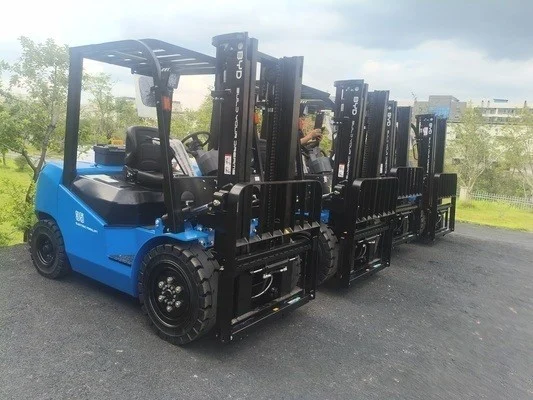
Assessing Floor Loading and Wheel Pressure Before Adding a Four-Wheel Counterbalance Electric Forklift to Factory Operations
News 21/10/2026
Before you bring a new four-wheel counterbalance electric forklift into your factory, your existing floor structure must handle the machine weight and distributed wheel pressure. Ignoring this step can lead to expensive structural damage, safety hazards and unplanned downtime. This guide walks through critical assessment steps, common mistakes and actionable checklists aligned with factory operation needs.
Why Floor Loading Assessment Matters
Most factory floors are designed to handle static storage loads and light vehicle traffic. Adding a heavy four-wheel counterbalance electric forklift changes the load distribution across your slab, especially when the machine carries full rated cargo. Even if your total daily throughput stays within original building limits, concentrated wheel pressure can create localized stress that leads to cracking, settlement or uneven surfaces.
Unaddressed floor issues also damage your new forklift over time. Constant operation on uneven or cracked surfaces increases wear on tires, axles and suspension components, raising maintenance costs and shortening service life. Completing assessment before your forklift arrives helps you avoid these costly issues.
Core Metrics You Need To Collect
You need two sets of data: one from your facility, one from your forklift provider. The table below organizes key assessment points:
| Parameter | Facility Assessment Step | Supplier Check Item | Configuration Notes |
|---|---|---|---|
| Total Operating Weight | Match existing floor design load rating against full operating weight including all attachments and battery | Request full weight breakdown from your provider | Lithium battery models often have different weight distribution vs lead acid units |
| Maximum Wheel Pressure | Calculate contact area from tire size and maximum load per axle to get ground pressure | Confirm maximum wheel pressure under full rated load | Narrow or solid tires may increase local ground pressure |
| Existing Floor Condition | Inspect existing cracks, uneven settlement or weakened sections from prior use | Confirm if provider can complete on-site site condition assessment | Older concrete slabs may need reinforcement before use |
| Ramp and Slope Loading | Check maximum pressure on slope transitions where forklift shifts weight distribution | Confirm maximum safe slope operation aligned with your facility layout | Four-wheel counterbalance models have specific slope limits you need align with your site |
Total Forklift Operating Weight
Four-wheel counterbalance electric forklifts carry significant weight beyond their rated cargo capacity. Most units weigh more than their maximum load rating, so you cannot just add rated cargo to your existing load calculations. You must include the weight of the battery, any installed attachments and any factory installed options to get an accurate total weight.
Wheel Pressure Calculation
Wheel pressure measures the force each tire applies to the ground surface. Four-wheel counterbalance designs have uneven weight distribution: drive wheels typically carry more weight than steering wheels, especially when loaded. Maximum wheel pressure determines the minimum floor capacity your site needs. Wider tires spread weight across a larger area, lowering local pressure, while narrower tires increase concentrated stress.
Common Assessment Mistakes You Must Avoid
Many facility managers skip critical steps during assessment, leading to unexpected issues after forklift delivery. The most common mistakes include:
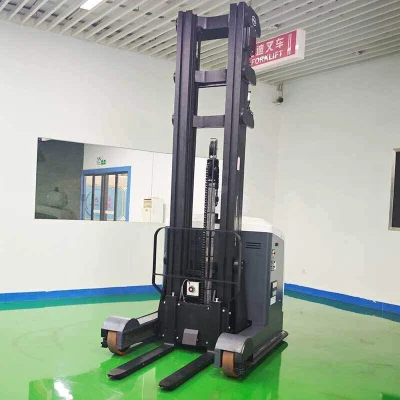
- Only counting cargo weight, ignoring forklift body weight: As noted earlier, the forklift itself makes up most of the total load applied to your floor. Skipping this step means your calculation will be off by more than 50% in most cases.
- Ignoring weight shifts from attachments: Adding any attachment, such as a side shifter or fork positioner, changes the forklift center of gravity and increases total weight. This shifts wheel pressure and can create higher localized stress than generic calculations predict.
- Only using static load values: Dynamic loads from forklift movement, braking and turning increase peak wheel pressure above static levels. You need account for dynamic stress when assessing your floor capacity.
- Relying on generic industry values: Different configurations of the same base forklift model can have different total weights and wheel pressure. You must get data matching your exact selected configuration, rather than using generic values from product brochures.
Actionable Pre-Purchase Checklist
Follow these steps before you confirm your four-wheel counterbalance electric forklift order:
- Locate original building construction documents that list your floor maximum loading capacity.
- Map your daily operation routes, note any ramps, high-traffic areas and existing floor damage you already observe.
- Document your required maximum cargo load, any attachments you plan use and your selected battery type.
- Share this information with your forklift provider to get exact total weight and maximum wheel pressure data matching your configuration.
- Hire a qualified structural professional to assess your floor capacity if original construction documents are unavailable.
- Share your site assessment results with our team to get configuration matching and guidance on BYD four-wheel counterbalance electric forklift options.
Frequently Asked Questions
Can my existing standard concrete slab support a four-wheel counterbalance electric forklift?
There is no universal answer. Capacity depends on concrete strength, sub-base preparation, slab thickness, reinforcement and total expected load. You must match your slab rated capacity against the full operating weight and maximum wheel pressure of your configured forklift before you confirm your order.
Do outdoor factory yards need different assessment than indoor floors?
Outdoor yards typically use compacted sub-bases or asphalt paving. These materials can shift or settle over time, so you need assess bearing capacity more carefully, especially in areas with high moisture or frequent heavy use. Four-wheel counterbalance electric forklift models built to operate outdoors may have wider tires that reduce local wheel pressure, but you still need confirm capacity with your specific site data.
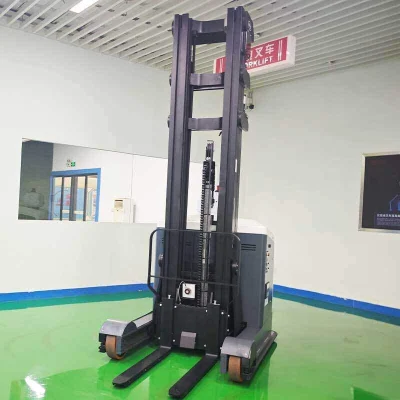
What solutions exist if my floor cannot handle required wheel pressure?
Common solutions include adding structural reinforcement to existing slabs, grinding uneven areas to distribute weight more evenly, or installing wider tires to lower local wheel pressure where configuration options exist. If your floor cannot meet minimum safety requirements, you should address structural issues before you take delivery of any new forklift.
Do lithium battery powered models change floor loading requirements?
Lithium batteries often have different weight distribution than older lead acid units, so total operating weight and maximum wheel pressure may differ from other power options. You must request updated weight data from your provider matching your selected battery type, rather than relying on generic values.