Forklift Types With Pictures: Visual Guide Comparing Load Capacity, Maneuverability and Site Compatibility to Guide Industrial Buying Decisions
News 09/10/2026
Common Forklift Types Categorized By Use Case
This guide includes visual descriptions matching common industry designs, so you can easily identify each type and match it your worksite needs.
Counterbalance Forklifts
This is the most common general-purpose forklift design found across industrial facilities. Load capacity typically ranges 1.5 tons to 50 tons, with larger units built to handle heavy container loads at ports.
Maneuverability: Standard design has a moderate turning radius, works best in open areas. Rear mounted counterweight offsets heavy front loads, keeping the unit stable during operation.
Site compatibility: Indoor warehouses with wide aisles, paved outdoor loading yards and distribution centers. Limitations: Cannot fit into aisles narrower than 3 meters, not designed to handle uneven unpaved surfaces.
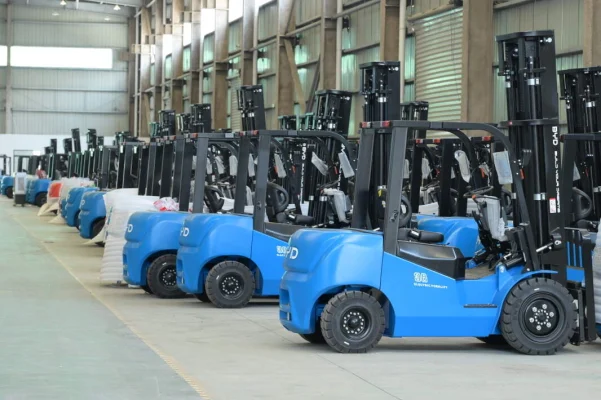
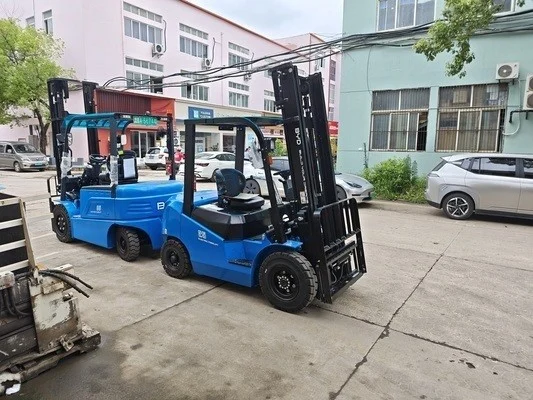
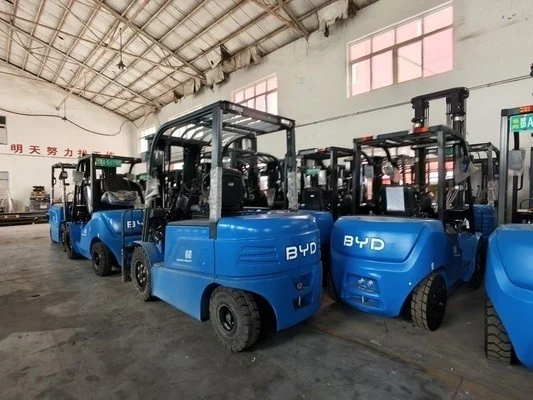
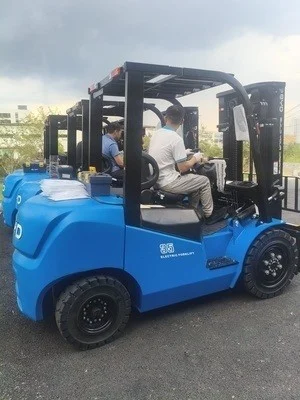
Visual reference: Counterbalance forklifts feature evenly spaced front forks and a weighted rear section to offset front load, standard body shape matches most general loading dock designs.
Narrow Aisle Forklifts
Engineers build these units to fit tight, 1.8 to 2.5 meter wide storage aisles found many high-density warehouses. Load capacity typically ranges 1 ton to 3.5 tons.
Maneuverability: Turret or reach designs allow fork rotation and vertical extension without full truck rotation, cutting turning radius dramatically. This design maximizes storage space within existing warehouse footprints.
Site compatibility: Indoor, racked storage facilities with ceiling heights 10 meters or higher. Limitations: Higher upfront cost, require smooth concrete floors, not ideal for heavy outdoor loading jobs.
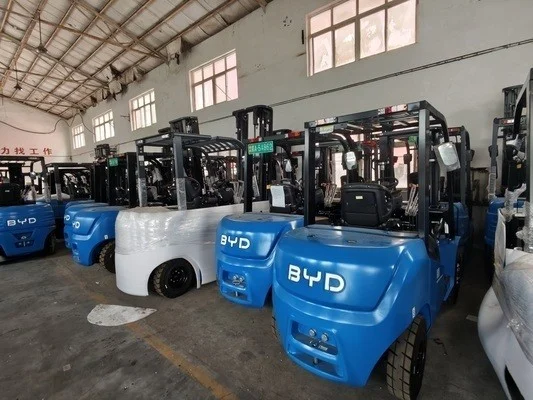
Visual reference: Narrow aisle forklifts feature compact, narrow chassis and articulating forks mounted on a rotating turret head on top-tier models.
Rough Terrain Forklifts
These units handle uneven, unpaved surfaces common construction sites, lumber yards and outdoor storage lots. Load capacity ranges 3 tons to 16 tons, most models offer high ground clearance and large, deep-tread tires.
Maneuverability: Most designs include four-wheel drive, improving traction on loose gravel, mud or sloped ground. Turning radius is larger than counterbalance models, so they need open work space.
Site compatibility: Unpaved outdoor sites, construction projects, lumber handling. Limitations: Too large for indoor warehouse aisles, lower fuel efficiency than electric indoor models.
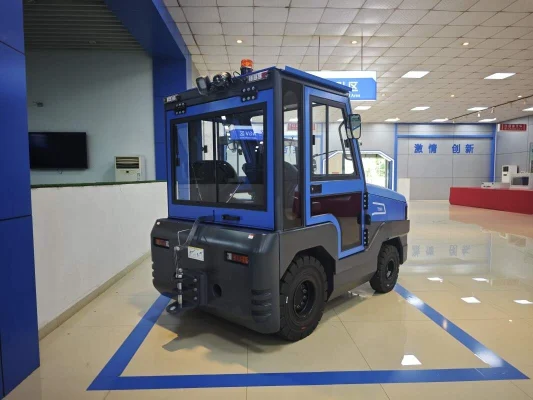
Visual reference: Rough terrain forklifts have oversized thick tires, vertical mast design and often an enclosed cabin operators working exposed sites use.
Pallet Jacks
Also called pallet trucks, these low-profile units move loaded pallets short distances inside warehouses and retail back rooms. Load capacity tops out around 3 tons for manual units, 5 tons for electric models.
Maneuverability: Extremely compact, can turn in very tight spaces no other forklift can access. Manual models require operator physical force to move, electric models use powered propulsion for easier operation.
Site compatibility: Level concrete floors, loading docks, retail storage areas. Limitations: Cannot lift loads to high racking, only built to handle ground level or low elevation transport tasks.
Visual reference: Pallet jacks have short forks low to ground, a manual hydraulic pump or electric lift system, no vertical mast for high lifting.
Telehandlers
Telehandlers feature extendable booms that can lift and reach loads forward and upward, making them versatile across construction and agricultural sites. Load capacity ranges 2 tons to 12 tons depending on boom extension length.
Maneuverability: Four-wheel steering options offer good maneuverability on uneven sites, but boom length limits close-quarters operation.
Site compatibility: Construction sites, agricultural storage, bridge building projects, lumber yards. Limitations: Lower maximum capacity when boom is fully extended, requires trained operators to avoid tip-over risks.
Visual reference: Telehandlers look like a cross between a crane and a forklift, with a long extendable boom mounted to a truck or rough terrain chassis.
Key Comparison: Load Capacity, Maneuverability, Site Compatibility
How To Match Forklift Type Your Worksite Needs
Follow these actionable steps narrow your options:
- Measure your work space first. Aisle width, ceiling height and surface condition set hard limits what types fit your site. If your warehouse has aisles narrower than 3 meters, only narrow aisle models or pallet jacks work. If your site has unpaved ground, only rough terrain or telehandler models work.
- Define your maximum regular load weight. Do not buy a unit rated just at your maximum load, leave 10-15% headroom to avoid safety issues. If you regularly move 2 ton pallets, select a unit rated minimum 2.2 tons capacity.
- Check power source requirements. Electric models work well indoor spaces because they produce zero emissions, but require dedicated charging infrastructure. Internal combustion models work well outdoor sites, offer faster refueling for long shifts.
Common buying mistakes include ignoring turning radius requirements, overloading units beyond rated capacity, and selecting a high-cost narrow aisle model when wider aisles fit cheaper counterbalance units.
Frequently Asked Questions
Which forklift type works best most indoor warehouses?
Counterbalance forklifts work well general indoor warehouse use with aisles wider than 3 meters. Narrow aisle models suit high-density storage facilities with tight aisles. Pallet jacks work for short-distance transport over low elevations.
Can I use a counterbalance forklift on rough terrain?
Standard counterbalance forklifts have small tires and low ground clearance, so they cannot safely operate on uneven unpaved surfaces. Only rough terrain-specific models handle these conditions.
What checks must operators complete before operating any forklift?
Standard pre-operation checks include testing brake function, checking tire pressure and tread, confirming load capacity rating matches planned load, inspecting mast and fork damage, and verifying all safety lights and horns work properly. All operators need current certification per local workplace safety rules.
Do electric forklifts offer lower operating costs than gas models?
Electric models generally have lower long-term operating costs, but require upfront investment charging infrastructure. Total cost depends on shift length, local energy prices and maintenance schedules.
Final Considerations Your Buying Decision
Selecting correct forklift type starts with clear documentation of your worksite dimensions, regular load weights and work environment. Use this guide’s visual descriptions to match your needs to available models, always test units on your site before final purchase when possible. Confirm all local safety regulations allow selected units within your work environment, and ensure operators receive proper training before use.