Meeting Food Safety Regulations: Electric Forklifts Food Industry Manufacturing and Storage Sites
News 06/10/2026
Food industry operations face strict food safety rules from global regulators. Every piece of equipment that touches production or storage areas must meet hygiene, contamination control and operational standards. Material handling equipment like electric forklifts play a critical role in daily operations, so their design, maintenance and use directly impact compliance outcomes. Choosing equipment aligned with regulatory requirements reduces audit risks and prevents product contamination that can lead to costly recalls.
Key Food Safety Requirements Material Handling Equipment Must Meet
Contamination Risk Reduction
Regulators require food production and storage sites limit exposure to biological, chemical and physical contamination. Equipment surfaces must resist moisture, cleaning chemicals and debris accumulation. Open crevices, porous materials and hard-to-clean areas trap food particles, bacteria and allergens, which create cross-contamination risks between product batches.
Emission Control
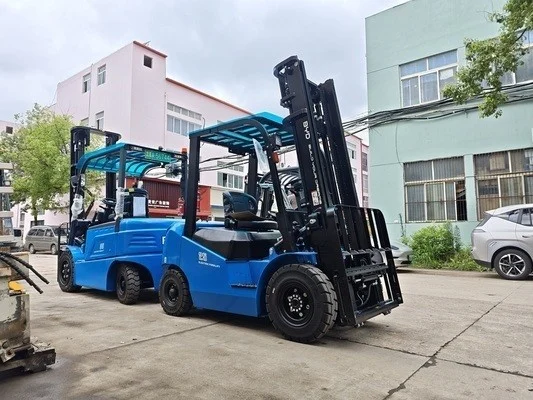
Unlike internal combustion models, electric forklifts produce no tailpipe emissions. This eliminates exhaust-based contamination that can settle on open food products, packaging and processing surfaces. This core benefit makes them a natural choice within enclosed food processing and cold storage areas where air quality directly impacts product safety.
Common Use Cases At Food Industry Sites
Raw Ingredient Storage and Cold Storage Warehouses
Electric forklifts move bulk raw ingredient pallets between delivery vehicles and storage areas. Cold storage environments common within food industry operations work well with electric models, as modern battery performance holds consistent at low temperatures with lithium iron phosphate options. Operators can move pallets quickly without exposing stored ingredients to harmful emissions.
Finished Goods Distribution Centers
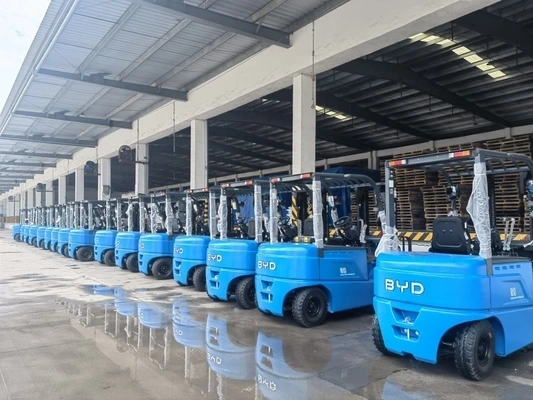
Finished packaged food goods move from production lines to outbound shipping docks via electric forklifts. Tight turning radius models work well in narrow storage aisles common within distribution centers, helping teams maximize storage capacity while maintaining compliance with no-emission rules.
In-Plant Material Movement Between Production Zones
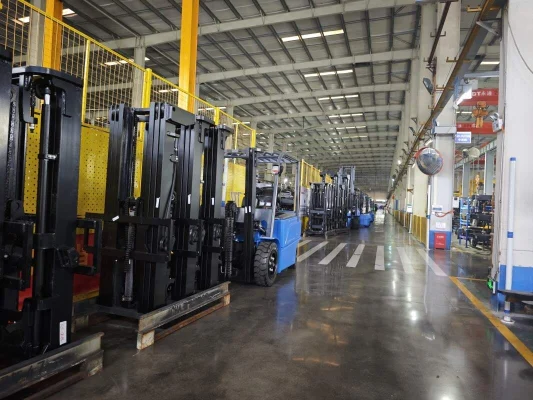
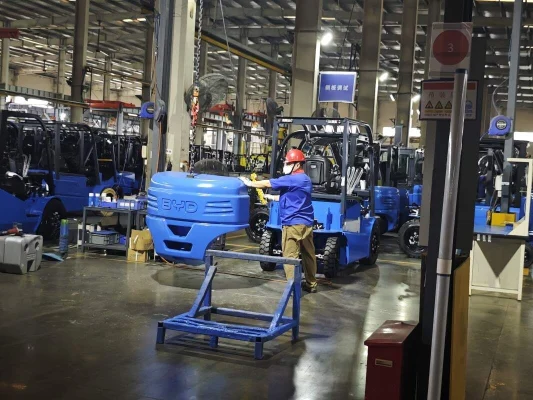
Electric forklifts move ingredients and work-in-progress products between different processing zones within a manufacturing plant. Smooth electric operation avoids oil leaks common within older hydraulic systems, which eliminates another contamination risk that can compromise food safety. Models with sealed wheel bearings and smooth stainless steel frames simplify daily cleaning between zone moves.
Selection Criteria To Meet Compliance Standards
Material and Surface Design
Choose models with fully sealed, non-porous surfaces. Stainless steel or food-grade coated steel frames resist corrosion from frequent cleaning with harsh sanitizing agents. Avoid models with open welds, crevices or grooved areas that can trap food debris. All hydraulic lines should have protective covers to contain leaks before they reach product areas.
Battery Type and Placement
Sealed lithium-ion or lead-acid batteries prevent acid leaks that can contaminate product. Battery compartments should be located away from product handling areas to further reduce risk. Fast charging options allow operators to swap or recharge batteries between shifts without extended downtime, supporting continuous operation.
Cleaning and Maintenance Access
All parts of the forklift should support easy access during daily cleaning. Undercarriages and wheel wells work with standard pressure wash systems without full disassembly. Removable panels allow deep cleaning of hard-to-reach areas on a scheduled basis, per site food safety protocols.
Key Limitations To Consider
Electric forklifts bring clear compliance benefits, but they have specific limitations food industry teams should plan around:
- Initial purchase cost often exceeds comparable internal combustion models, which can create budget constraints affecting small operations
- Battery performance drops in extreme temperature environments above 100°F or below -20°F, requiring specialized battery enclosures matching those use cases
- Charging infrastructure requires dedicated, well-ventilated space separated from production and storage areas to meet fire and safety codes
- Daily cleaning adds a small amount of non-operating time to shift end routines, which requires scheduling adjustments
Frequently Asked Questions
Can electric forklifts help sites pass third-party food safety audits?
Yes, when selected and maintained correctly. Electric models eliminate emission and exhaust contamination risks, which are common findings during third-party food safety audits. Choosing models engineered with food industry hygiene standards addresses most common audit concerns related to material handling equipment.
Do all electric forklifts meet global food safety standards?
No. General-purpose electric forklifts often include porous surfaces, open crevices and unsealed components that do not meet food industry hygiene requirements. These models are engineered to serve general warehouse needs, not food industry compliance standards. Teams must select models specifically engineered to meet food safety regulations, not just any electric forklift.
What cleaning routines work best with electric forklifts operating within food production areas?
Most sites use daily pressure washing with food-safe sanitizing agents after shift end. Teams should clean all surfaces that could come into contact with product or debris, including undercarriages, forks and frame rails. Monthly deep cleaning of internal components like battery compartments adds an extra layer of contamination control.
Do electric forklifts perform well in cold storage environments common within food industry operations?
Modern sealed battery electric forklifts perform consistently in most cold storage temperatures between 0°F and 40°F. Extremely low temperature environments below -10°F require specialized cold-rated batteries and enclosures to maintain consistent performance and avoid unexpected shutdowns during operation.
Conclusion
Meeting strict food safety regulations requires intentional selection of every piece of equipment within production and storage sites. Electric forklifts aligned with food industry hygiene standards eliminate many common contamination risks associated with other material handling options. Teams should evaluate their site-specific temperature range, space constraints and cleaning protocols to select models that fit their operational needs and maintain long-term compliance. Prioritizing easy cleaning, sealed components and non-porous surfaces ensures equipment supports rather than undermines site food safety goals.