Visual Guide to Forklift Types With Pictures: Helping Industrial Purchasers, Engineers and Technical Decision Makers Match Equipment to Unique Material Handling Worksite Needs
News 06/10/2026
Choosing the right forklift your worksite directly impacts operational safety, productivity, and long-term cost. This guide breaks down every common forklift type, key use cases, limitations, and selection tips to help you match equipment your specific material handling needs. Below you find clear breakdowns aligned with standard industry forklift classifications, plus visual cues to identify each type quickly.
Core Forklift Classifications
Class I: Electric Motor Rider Trucks
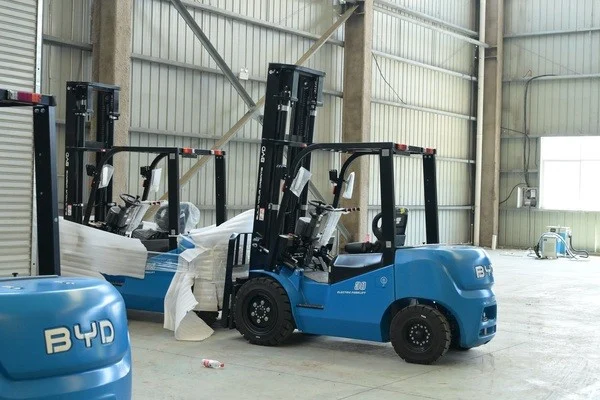
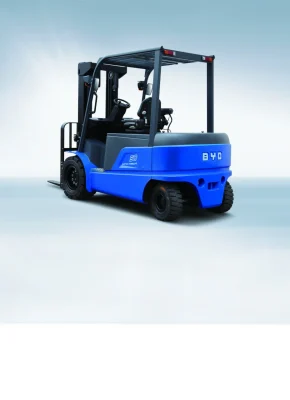
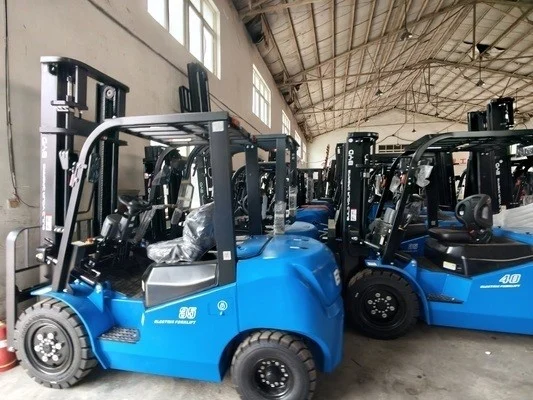
These sit-down or stand-up rider trucks operate effectively indoors on smooth concrete warehouse floors. They produce zero on-site emissions, making them ideal in enclosed spaces with poor ventilation. Common load capacities range from 3,000 to 15,000 pounds. Key limitations include long charge times that reduce uptime during multi-shift operations, and poor performance on uneven outdoor terrain. Many operations deploy these models across general indoor material transport work.
Class II: Electric Motor Narrow Aisle Trucks
These units are engineered to operate in tight warehouse aisles where storage space comes at a premium. They reach higher lift heights than most other indoor forklifts, up to 50 feet in many configurations. Load capacities typically stay between 2,000 and 5,000 pounds. They deliver excellent results high-density storage facilities that need maximum space utilization. Limitations: these units require smooth, level floors, and cannot handle oversized or extremely heavy loads.
Class III: Electric Hand Trucks / Pallet Jacks
These walk-behind electric or manual units move pallets short distances across flat warehouse floors. They handle loads between 2,000 and 5,000 pounds across most standard models. They require little maintenance and fit into small storage spaces. Best applications include loading and unloading delivery trucks, moving stock around small warehouses, and point-of-use material transport. They cannot lift loads more than a few feet off the ground, so they do not work with high rack storage applications.
Class IV: Internal Combustion (IC) Cushion Tire Trucks
These IC engine-powered trucks use solid cushion tires engineered to work on smooth paved indoor surfaces. They handle heavier loads than most electric models, with capacities up to 30,000 pounds common. They work well manufacturing plants and indoor shipping yards that can accommodate engine emissions. Limitations: they cannot travel over rough, uneven outdoor ground, and emissions make them unsafe during long-term use in enclosed spaces.
Class V: IC Pneumatic Tire Trucks
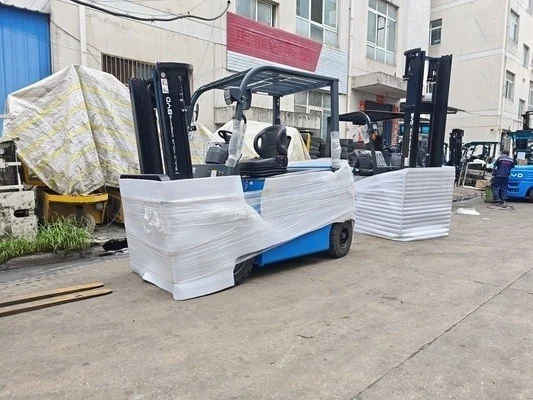
These are the most common forklift found on outdoor construction sites, lumber yards, and shipping ports. Pneumatic tires provide reliable traction on loose gravel, dirt, uneven pavement, and sloped ground. Load capacities can reach 50,000 pounds in heavy-duty configurations. They refuel much faster than electric models, making them ideal in multi-shift outdoor operations. Limitations: higher emissions mean they are not suitable enclosed indoor spaces, and tire wear happens faster on paved surfaces compared to cushion tires.
Class VI: Electric and IC Tow Tractors
These units pull multiple loaded trailers behind them instead of lifting heavy loads directly. They are common in large manufacturing facilities, airports, and distribution centers that move multiple loads over long distances. Pulling capacities range from 1,000 up to 50,000 pounds depending on the model.
Key Selection Criteria Matching Equipment Your Worksite
Worksite Environment
Indoor worksites with limited ventilation almost always need electric forklift models to avoid emission buildup. Outdoor worksites with rough terrain require pneumatic tire IC models. Narrow aisle storage spaces need Class II narrow aisle units to maximize storage capacity.
Load Weight and Size
Always match the forklift maximum rated capacity to the heaviest load you regularly move. Extra capacity adds upfront cost, so over-sizing increases operational expenses unnecessarily. Oversized loads may need wider outriggers or larger tire configurations to maintain stability.
Uptime Requirements
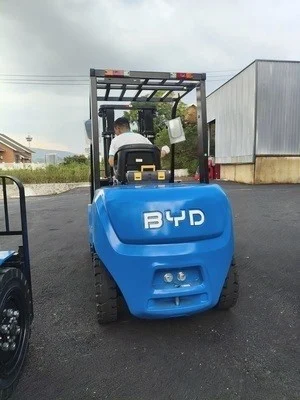
Multi-shift operations need equipment that refuels or recharges quickly. IC models refuel in 10 to 15 minutes, while most standard electric models need 8 hours to reach full charge. Many multi-shift sites use multiple battery packs with electric forklifts to avoid downtime.
Visual Identification Quick Reference
Each forklift type has distinct visual cues that help you identify it on any worksite:
- Electric narrow aisle trucks: Extremely tall masts, compact body size built to fit between tight rack rows
- IC pneumatic tire forklifts: Large, thick air-filled tires, heavy-duty chassis, external exhaust pipe
- Manual pallet jacks: No enclosed operator cabin, low-profile lift carriage, built to slide under standard pallets
- Cushion tire IC forklifts: Small, solid rubber tires mounted close to the chassis, designed for smooth indoor surfaces
Frequently Asked Questions
Which forklift type works best indoor warehouse environments?
Electric forklift models from Class I, II, and III work best most indoor warehouse spaces. They produce no on-site emissions, operate quieter, and cause less damage to smooth concrete floors than IC engine models.
Can I use an outdoor pneumatic tire forklift indoors?
You can use outdoor pneumatic forklifts indoors during short periods only, such as unloading delivery trucks from an outdoor yard to an indoor dock. Long-term use indoors causes dangerous emission buildup even in well ventilated spaces.
What is the most common forklift type found on construction sites?
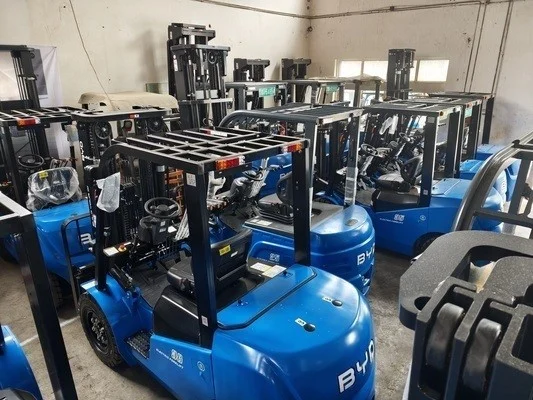
Class V IC pneumatic tire forklifts are the most common type found on construction sites. They handle rough uneven ground, heavy construction materials, and refuel quickly to support long work days.
Do all forklifts require operator certification?
Most global workplace safety regulations require all forklift operators hold valid certification, regardless of equipment size or power source. Always follow local safety rules at your worksite.
Final Selection Next Steps
Start your selection process by documenting your worksite key requirements: maximum load weight, typical lift height, work environment (indoor versus outdoor), terrain type, and required uptime per day. Use this guide narrow down your options to 2-3 types that match all your core criteria before requesting quotes or testing equipment. Always test equipment under your own worksite conditions before completing purchase to confirm it meets all your operational needs.