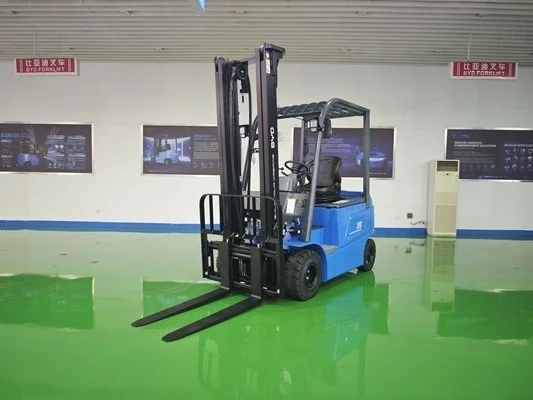
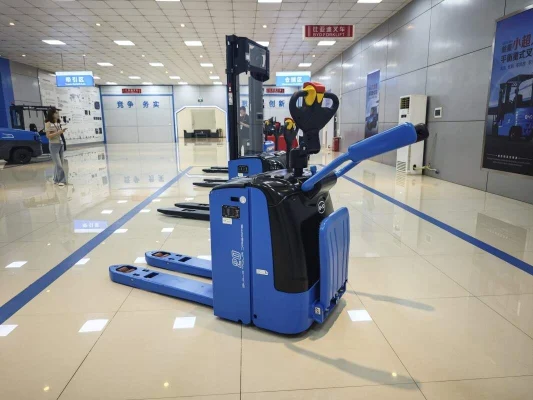
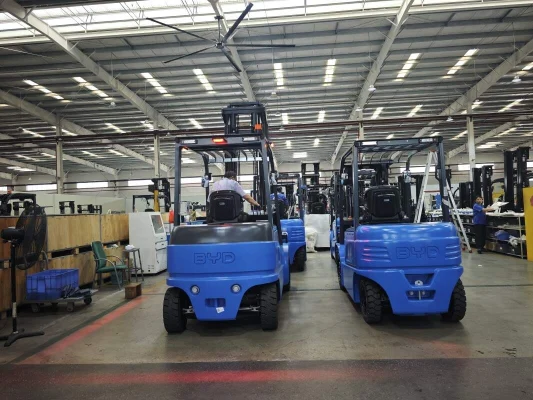
Matching Electrical Forklift Load Ratings to Daily Warehouse Operational Requirements
News 05/10/2026
Many warehouse operations struggle to select the correct electrical forklift when evaluating equipment options. Mismatched load ratings lead to two common costly outcomes: under-rated units suffer premature wear and safety hazards, while over-rated units tie up extra capital, require more storage space, and consume more energy than needed. This guide breaks down practical steps to align load ratings with your daily operational needs, avoid common mistakes, and make informed purchasing decisions.
Core Concepts: What Is An Electrical Forklift Load Rating?
An electrical forklift load rating describes the maximum weight the unit can safely lift and transport under standard design conditions. Manufacturers publish these ratings based on rigorous testing of structural components, including forks, lift chains, counterbalance systems and braking systems. Ratings do not remain constant across all operating conditions: many new buyers miss that effective load capacity changes based on lift height, load center position, and equipment configuration.
Key Warehouse Operational Factors To Evaluate
Average Daily Load Weights
Start by gathering data on weights of all loads your team handles regularly. Focus on consistent daily loads rather than rare one-time shipments. Many operations carry 90% of loads within a narrow weight range, with only a handful of heavy shipments each year. This data helps you avoid over-buying equipment sized only for rare exceptions.
Maximum Lift Height Requirements
Published load ratings typically reflect capacity at the lowest possible lift height. As lift height increases, effective safe capacity decreases, because the load center moves further from the front axle, changing the balance point of the forklift. If your warehouse uses high-bay storage, you must confirm capacity at your maximum required shelf height before selecting a unit.
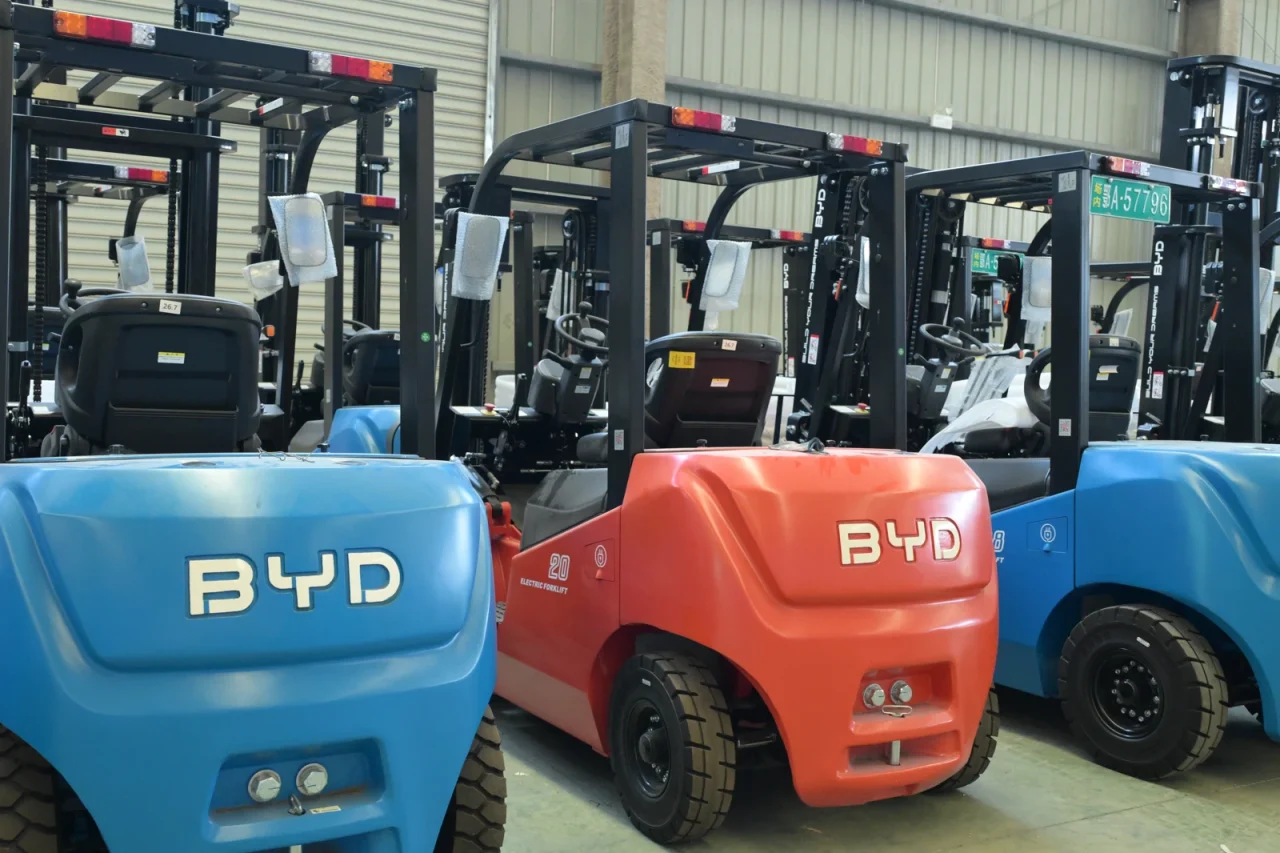
Daily Operational Duty Cycle
Electrical forklifts rely on battery power to deliver lifting and movement. Continuous operation near maximum load rating forces the battery to deliver higher output consistently, increasing internal heat and accelerating cell degradation. Multi-shift operations that run equipment eight or more hours daily need extra margin to preserve battery service life.
Warehouse Surface And Aisle Conditions
Uneven concrete floors, sloped loading docks, and frequent tight turns reduce effective safe load capacity. These conditions change the weight distribution of the loaded forklift, increasing stress on structural components. Narrow aisles also limit the size of forklift you can use, so higher capacity units that do not fit your space are never a viable option.
Practical Step-By-Step Selection Process
- Audit your load data: Collect weight records from all regularly handled shipments and inventory. Identify the 95th percentile weight, which represents the heaviest load your team handles on a consistent basis. One-off exceptional loads do not need to drive your sizing decision.
- Confirm capacity at your maximum lift height: Get the manufacturer’s published load curve chart specific to the electrical forklift model you consider. This chart shows effective capacity at every possible lift height, so you can confirm it meets your needs at your highest shelf level.
- Add a reasonable safety margin: Industry best practices suggest adding a 10-15% margin above your maximum consistent load. This margin accounts for unexpected weight variations, gradual component wear, and non-ideal floor conditions that reduce effective capacity.
- Balance capacity with your budget and space constraints: Higher load ratings come with higher purchase costs, larger footprints, and higher energy use. If your 95th percentile load fits a lower-rated unit with sufficient safety margin, that option delivers better long-term value than a larger unit sized to handle rare one-off loads.
Common Mistakes And Limitations To Avoid
Even with solid data, many operations make avoidable errors when matching load ratings to needs:
- Sizing only for maximum one-off load: This leads to over-sizing, wasted capital, and equipment that cannot maneuver through your existing warehouse aisles. When you have rare heavy loads, consider renting a higher-capacity unit instead of purchasing one as a permanent addition.
- Ignoring load center distance: Standard load ratings assume a standard load center position, most commonly 24 inches for counterbalance electrical forklift models. If you handle longer loads that push the load center further forward, effective safe capacity drops significantly. Always adjust your required rating based on your actual load center.
- Forgetting battery weight impacts: Electrical forklifts use their heavy battery as the counterweight that balances loaded forks. Older batteries lose small amounts of weight over time due to normal wear, which reduces effective capacity slightly. New batteries also have different weight than older replacement units, so confirm your battery matches the manufacturer’s specification for your load rating.
Frequently Asked Questions
Can I exceed my electrical forklift load rating occasionally?
Small occasional overages may not cause immediate failure, but they increase wear on forks, lift chains, brakes and battery, leading to premature component failure and higher long-term repair costs. Repeated overloading also creates major safety risks, including tip-overs that can injure workers and damage warehouse property.
How does load rating affect electrical forklift battery life?
Continuous operation near or above maximum load rating forces the battery to deliver higher current more consistently. This increases internal heat generation and accelerates cell degradation, leading to shorter overall battery service life compared to operation well within rated limits.
Do all electrical forklift types use the same load rating standards?
No. Stand-up reach trucks, counterbalance models, and pallet jacks all use different rating frameworks based on their specific design. Always reference the manufacturer published load chart specific to your exact model and configuration when making selection decisions.
Should I upgrade my forklift if my warehouse load requirements change?
If your new regular loads exceed 80% of your current forklift load rating on an ongoing basis, upgrading or adding a unit with higher rating reduces safety risks and long-term costs. For temporary changes, you can rent a higher capacity unit to avoid unnecessary capital investment.
Final Conclusion
Matching electrical forklift load ratings to your daily warehouse operations balances safety, cost, and equipment longevity. Data collection of your actual daily loads and operating conditions forms the foundation of any good selection decision. Adding a reasonable safety margin and using manufacturer published data to confirm capacity for your specific lift height and load center needs eliminates guesswork. Avoid common mistakes like over-sizing to handle rare one-off loads or ignoring design factors that reduce effective capacity. This approach helps you get the right equipment that supports your daily work without unnecessary extra cost.