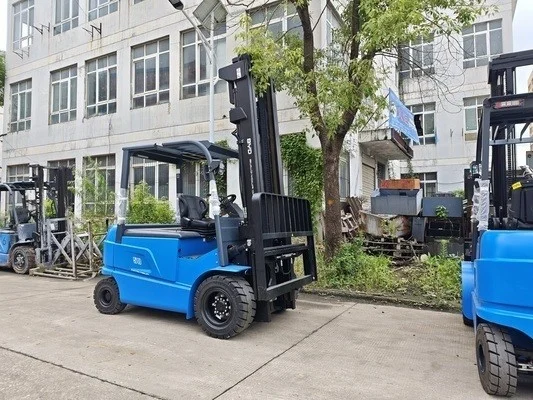
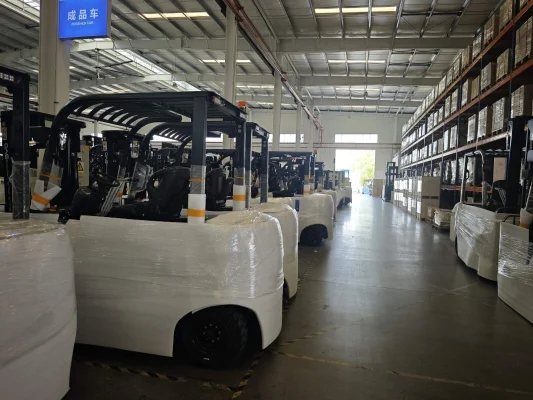
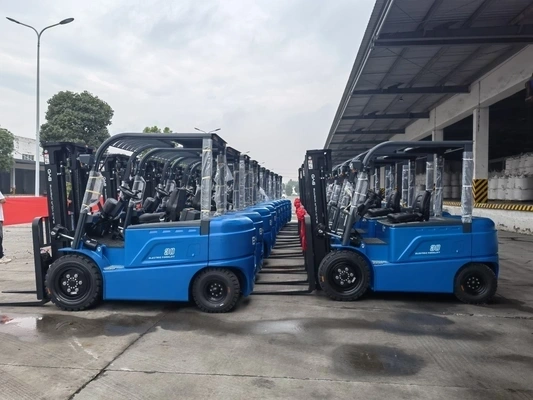
High-Torque Electric Forklifts Available Suited to Industrial Fleet Replacement and Rugged Warehouse Operational Needs
News 09/10/2026
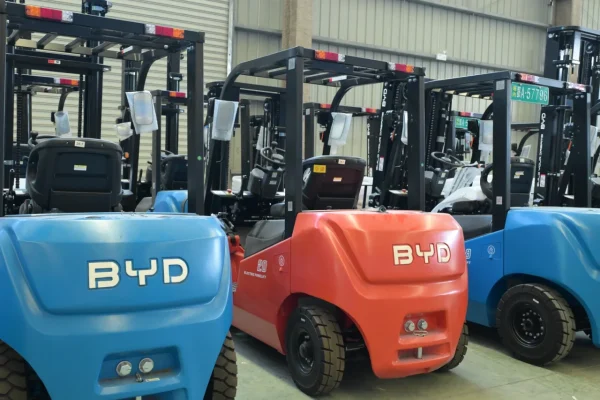
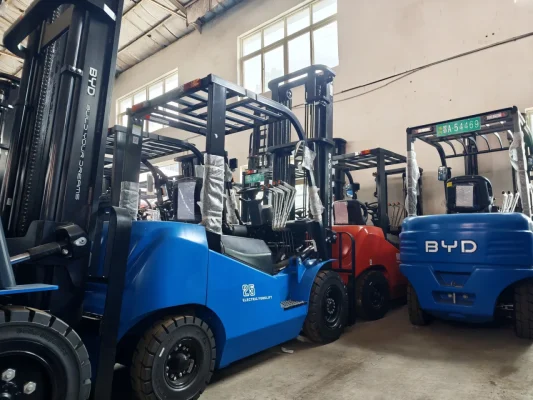
Many industrial operations updating warehouse fleets need equipment that handles heavy loads, uneven surfaces and demanding daily use. High-torque electric forklifts fill this need, delivering stronger low-speed power than standard electric models, without emissions linked to internal combustion units. This comparison breaks down core differences, use cases, selection criteria and limitations to help you evaluate whether these units fit your operational requirements.
Core Differences Between High-Torque and Standard Electric Forklifts
Torque Output and Load Performance
Standard electric forklifts design focuses on light to medium load handling in smooth, controlled warehouse environments. Their torque output drops once the unit reaches higher speeds, which works well in frequent travel over flat aisles. High-torque electric forklifts deliver maximum torque at low speeds, the operating range most needed when lifting heavy loads, starting on steep ramps, or moving over uneven ground. This power eliminates stalling or wheel spin common when standard models attempt heavy-duty tasks.
Power System Design
Most high-torque models use heavy-duty motor systems, either permanent magnet synchronous or advanced alternating current designs, built to sustain consistent power output during extended operation. They also integrate larger, more robust battery packs and improved heat management to prevent overheating during prolonged heavy use. Standard electric forklifts use smaller motors and batteries, optimized to match lower power demand and shorter daily run times with lighter loads.
Common Application Scenarios
Industrial Fleet Replacement Projects
Operations replacing old internal combustion forklifts or outdated low-power electric units often select high-torque models to match or exceed existing power capacity. Aging fleets frequently struggle with increasing maintenance costs and emissions regulations that restrict internal combustion unit use in indoor or mixed indoor-outdoor spaces. High-torque electric options deliver the same heavy load capability as older diesel units, while cutting routine maintenance and eliminating on-site emissions.
Assumed application scenario: A 100,000 square foot lumber storage facility upgrading its 10-year-old diesel fleet can replace every unit with high-torque electric forklifts, meeting local emissions rules while retaining ability to move 4-8 ton loads of raw lumber over uneven paved and unpaved surfaces.
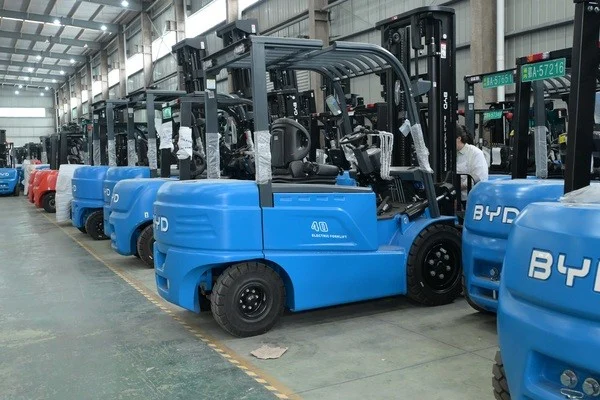
Rugged Warehouse Operations
Rugged warehouse environments include facilities with uneven floors, frequent ramp access between levels, cold storage, bulk material storage, and unimproved loading docks. These settings place extra demand on forklift power, as wheels must gain traction quickly and move heavy loads from a full stop. High-torque electric forklifts handle these conditions better than standard models, with consistent power that reduces downtime caused by stalled lifts or spinning wheels.
Key Selection Criteria
Load Requirements and Operating Terrain
Start by mapping your typical daily load weights and the terrain your forklifts travel every day. If your operation regularly moves loads over 4 tons, or travels across ramps steeper than 5%, or uses equipment on uneven ground, a high-torque model will meet your needs. If all operations move loads under 3 tons across flat, smooth warehouse aisles, a standard electric model will meet your needs at lower cost.
Battery and Charging Infrastructure
High-torque electric forklifts require larger battery capacities to sustain power output during heavy operation. Before making a purchase, confirm your existing charging infrastructure can support the higher power demand of these units, or budget for necessary upgrades to your facility’s electrical system and charging stations. Many operations use opportunity charging during shift breaks, so plan charging locations close to work areas to reduce downtime.
Existing Attachment Compatibility
Most operations already own a range of attachments, such as side shifters, fork positioners, or clamps, that work with their current fleet. Confirm the high-torque model you consider supports your existing attachments, to avoid unnecessary additional cost replacing all accessories alongside your forklifts.
Key Limitations to Consider
High-torque electric forklifts do not fit every operation. Initial purchase cost runs higher than standard electric forklifts, so operations with limited upfront capital may struggle to justify investment unless they truly need the extra torque. They also require access to reliable charging infrastructure, so remote sites without consistent electrical power may not support daily operation. Finally, operations that require 24/7 uninterrupted operation without extended break periods may not get sufficient run time from even the largest battery packs, unless they invest in fast battery swapping systems, which add additional upfront cost.
Frequently Asked Questions
Do high-torque electric forklifts work well in outdoor settings?
Yes, many modern models handle light to moderate outdoor use on unpaved or uneven surfaces, as long as you select units with appropriate weather sealing matching exposure to rain or extreme temperatures. Units without proper sealing may experience premature component failure when used regularly outside in wet conditions.
How do high-torque electric forklifts compare to internal combustion forklifts?
High-torque electric models produce zero on-site emissions, require less routine maintenance, and deliver consistent torque at low speeds. They cannot match the extremely long run time of diesel or propane units without recharging, however, so they work best in operations with scheduled shift breaks that allow charging windows. Many operations find total cost of ownership balances out over time thanks to lower fuel and maintenance costs.
Can high-torque electric forklifts fit within existing warehouse layouts?
Most units have similar footprints to comparable standard or internal combustion forklifts, so they fit most existing layouts. You will need to check aisle width clearance and charging station placement to confirm compatibility before completing any purchase. Narrow aisle facilities may need specialized compact high-torque models to meet clearance requirements.
What checks should I complete before purchasing an available high-torque electric forklift?
Confirm the unit’s maximum continuous torque rating matches your typical load and terrain conditions, check warranty coverage, and verify the seller offers local service support handling maintenance and repairs. This step reduces potential downtime after your unit enters operation.
When planning fleet replacement or upgrading equipment serving rugged warehouse work, high-torque electric forklifts deliver clear benefits teams operating in demanding environments. Compare your core operational needs against the limitations and cost requirements outlined above to make the right choice matching your business needs.