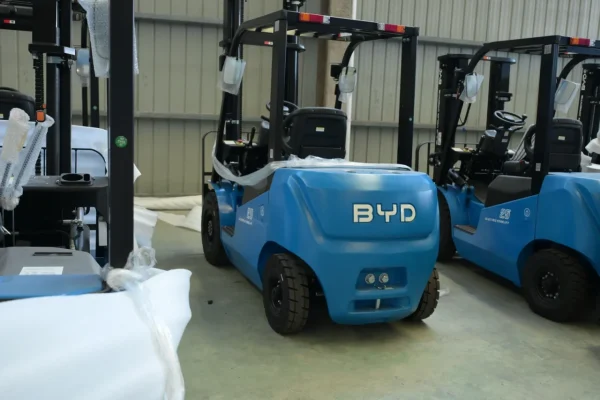
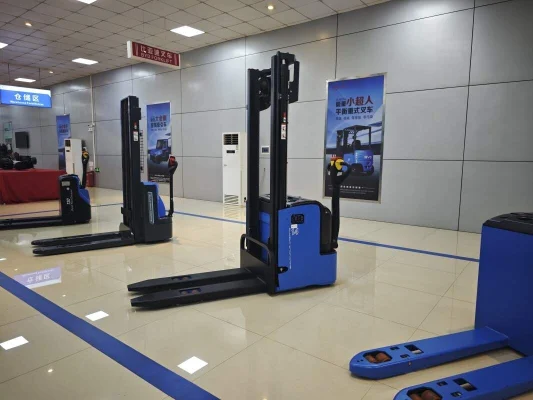
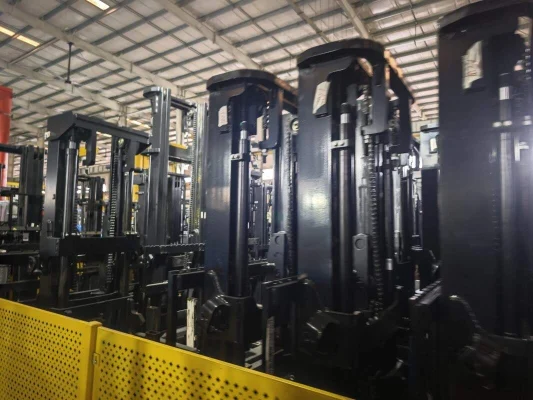
Sanitation-Grade Industrial Electric Forklifts Available Suited to Food and Beverage Processing Facility Operations
News 16/10/2026
Food and beverage processing facilities face unique material handling challenges. Operations require equipment that meets strict hygiene standards, resists daily wash-downs and avoids contamination risks. Sanitation-grade industrial electric forklifts answer these needs, matching clean operation requirements common this industry. Below we break down key requirements, configuration checks and practical guidance help you evaluate options.
Core Sanitation Requirements Food Beverage Processing Operations
Food and beverage facilities regularly handle raw ingredients, finished goods and require frequent cleaning to prevent bacterial growth. Ordinary forklifts feature porous materials, open seams and unprotected electrical components that trap food debris and resist thorough cleaning. Sanitation-grade models address these issues through design focused hygiene and chemical resistance.
Core requirements align with three main facility needs:
- Prevent debris accumulation and bacterial growth across all exposed surfaces
- Resist corrosion from frequent wash-downs using food-safe cleaning chemicals
- Avoid contamination from materials that leach or leave residue on food products
Key Configuration Parameters Purchasers Must Verify
Body and Frame Materials
Food-safe non-porous materials top the list critical checks. Porous materials trap food particles even after washing, creating food safety risks. Purchasers should take these steps when evaluating options:
- Ask supplier confirm all exposed frame and body panels use either food-grade stainless steel or powder-coated carbon steel resistant to your facility’s common cleaning chemicals.
- Inspect all seams and joints; these areas must be fully sealed and smooth, with no gaps or crevices that trap residue.
Configuration trade-offs: Stainless steel construction costs more upfront, but delivers longer service life in facilities requiring daily high-pressure wash-downs. Powder-coated steel options work well for low-moisture processing areas that only require weekly light cleaning.
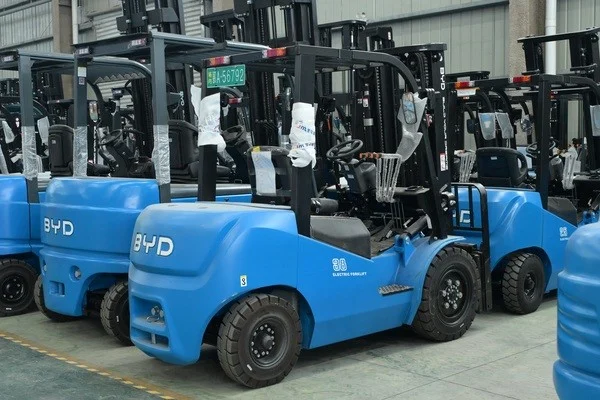
Electrical and Component Sealing
Wash-down procedures expose every part the forklift to water and cleaning solution. Poorly sealed components lead to premature corrosion, electrical faults and unplanned downtime. Purchasers must confirm all electrical connectors, battery enclosures, sensors and control displays carry appropriate ingress protection ratings aligned your facility’s wash frequency. Higher IP ratings add cost, so match the rating your actual needs rather than over-specifying unnecessarily.
Tire Selection
Most food and beverage processing facilities have smooth, often wet floors. Non-marking, non-porous tires prevent two common issues: floor scuffs that trap debris, and dark rubber residue that can contaminate products. Solid non-marking tires work best for indoor processing areas. Pneumatic tires suit outdoor yard operations, but their porous structure can trap food debris, so avoid using these inside production zones.
Comparison Common Forklift Types This Industry
The table below compares common electric forklift types, their suited applications and key items to confirm with suppliers:
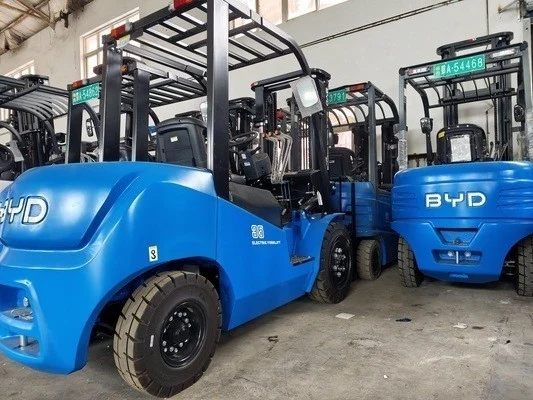
| Forklift Type | Best Suited Scenario | Key Limitations | Items To Confirm With Supplier | |||||
|---|---|---|---|---|---|---|---|---|
| Counterbalance Electric | Mixed indoor storage and outdoor yard transfer | Requires wider operating aisles | Full wash-down capability, food-safe frame coating | |||||
| Stand-Up Reach Forklift | High-bay storage in narrow aisles inside processing facilities | Not suited heavy bulk loads over long distances | Sealed mast components, non-marking tires | |||||
| Electric Pallet Jack | Horizontal transfer of finished goods and raw materials | Limited lifting height for storage | Limited lifting height for storage | Limited lifting height suited storage operations | Electric Pallet Jack | Horizontal transfer of finished goods and raw materials | Limited lifting height suited storage operations | Sealed battery enclosure, smooth non-porous fork surfaces |
| Order Picker | Order fulfillment and picking from multiple storage levels | Lower maximum load capacity | Easy-to-clean operator platform, sealed control interfaces |
Pre-Purchase Verification Checklist
Before finalizing your order, complete these steps confirm the forklift matches your facility’s needs:
- Confirm all food-contact materials meet relevant regional safety regulations
- Test the forklift’s maneuverability on your facility’s actual aisle width and floor surface
- Verify battery runtime aligns your full shift operation requirements
- Request supplier documentation proving ingress protection and sealing meets agreed specifications
- Have a supplier technical representative walk through your facility confirm configuration matches your daily wash-down frequency
Frequently Asked Questions
Are sanitation-grade electric forklifts more costly than standard models?
Yes, most purpose-built sanitation-grade models carry higher upfront costs, driven by food-safe materials and additional sealing requirements. However, lower long-term contamination risk and reduced unplanned maintenance often offset this initial investment. Always compare total cost ownership aligned your facility’s compliance needs.
Can I modify an existing standard electric forklift meet sanitation requirements?
Minor modifications, such as adding sealed covers to exposed connectors, work in low-compliance, low-wash facilities. Major modifications that alter frame structure or re-seal electrical components rarely meet long-term sanitation standards, and most often void existing equipment warranties. Purpose-built sanitation-grade models deliver more reliable performance in high-compliance food processing areas.
What hygiene standards apply to these forklifts?
Requirements vary by region and production category, so you must confirm which standards apply to your operation. Common standards focus food contact material safety and hygiene-focused design. Always ask suppliers provide relevant documentation confirm compliance with your local regulatory requirements.
Selecting the right sanitation-grade electric forklift depends on your facility’s unique operation, cleaning frequency and compliance needs. Prioritize core hygiene design features over lower upfront costs to avoid long-term food safety risks and unplanned maintenance.