How Many Types of Forklift Are There: A Classification Breakdown Supporting Industrial Procurement and Engineering Selection
News 05/10/2026
Core Forklift Classification Categories
Several core forklift categories dominate modern material handling operations, each built to serve specific use cases and work environments. Below we break down each type, its common applications, key limitations and selection guidance.
Counterbalance Forklifts
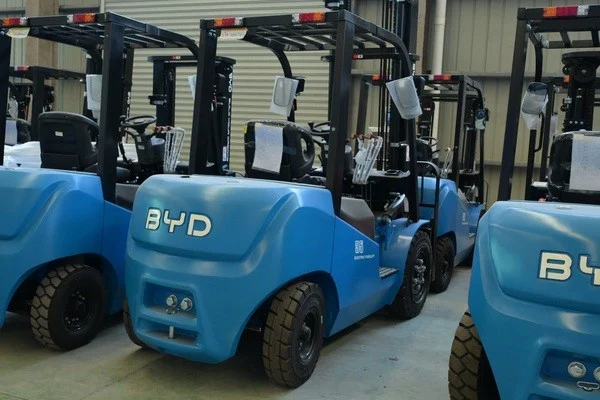
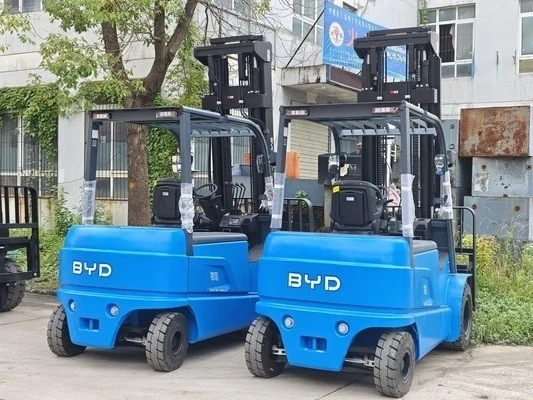
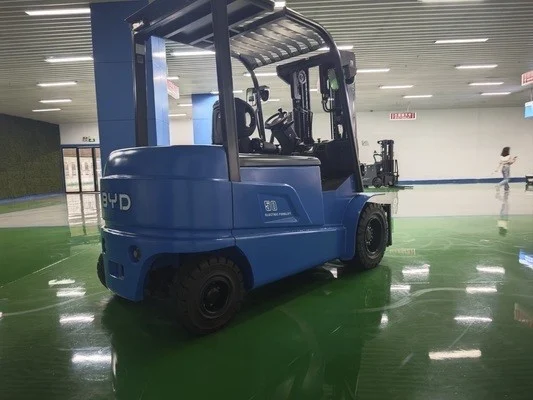
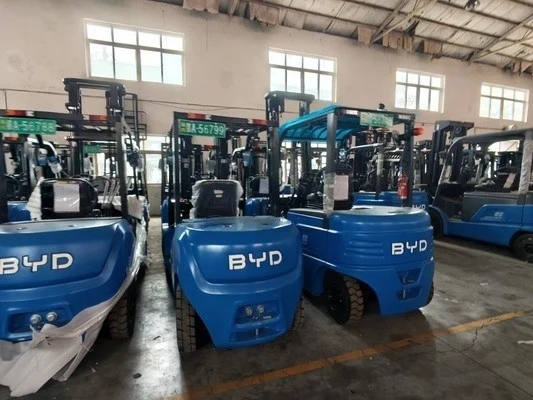
Counterbalance forklifts are the most widespread option across warehouse and manufacturing sites. Their design places weight behind the lifting mast to offset heavy loads carried at the front. Most models run on internal combustion engines or battery electric power. Application scenarios include outdoor loading docks, open warehouse storage yards and general manufacturing lines.
Key limitations: They require ample turning space, so they do not perform well in narrow aisle storage setups. Selection tip: Choose electric variants suited to indoor use, internal combustion variants suited to outdoor sites with rough ground or heavy load capacities exceeding 10,000 lbs.
Reach Forklifts
Reach forklifts serve narrow aisle warehouse storage operations. Their extendable mast lets operators reach loads stored high in racking systems, far deeper than counterbalance models can access. Most reach forklifts use electric power, making them suited to indoor climate-controlled facilities.
Key limitations: They cannot handle extremely heavy loads (most top out under 5,000 lbs) and lack stability consistent outdoor use on uneven ground. Selection tip: Measure your aisle width first; reach forklifts operate efficiently in aisles as narrow as 8 feet, cutting wasted storage space in modern high-density warehouses.
Pallet Jacks
Pallet jacks, also called hand pallet trucks, are low-capacity tools built to move palletized loads short distances. Manual models require operator physical force, while powered variants use electric motors to lift and move loads. Application scenarios include retail stock rooms, delivery vehicles, small warehouses and loading zone transfers.
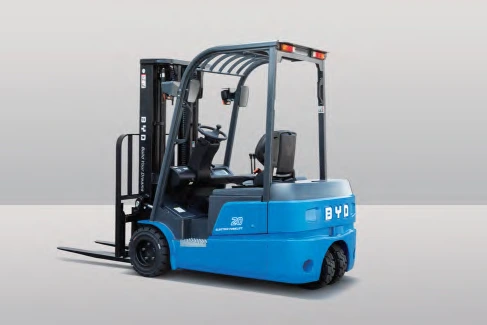
Key limitations: They cannot lift loads to elevated storage heights, and manual variants strain operators moving loads exceeding 2,000 lbs. Selection tip: Opt for powered pallet jacks if your team moves multiple heavy pallets daily to reduce workplace injury risk.
Rough Terrain Forklifts
Rough terrain forklifts are built to serve outdoor, unimproved work sites. They feature large, rugged tires, high ground clearance and powerful internal combustion engines to handle uneven ground, mud, gravel and sloped terrain common construction sites, lumber yards and agricultural operations. Most models offer lifting capacities ranging between 5,000 lbs and 15,000 lbs.
Key limitations: Their large size and rough tread damage indoor concrete floors, so they are not suitable permanent indoor use. Selection tip: Select models with four-wheel drive sites with steep slopes or wet ground conditions.
Order Picker Forklifts
Order picker forklifts elevate the operator alongside the load, letting workers pick individual items from high racking positions instead of moving entire pallets. They are electric-powered and designed to serve indoor e-commerce fulfillment centers and distribution warehouses with high order volume.
Key limitations: They have lower load capacities, usually under 3,000 lbs, and require specialized operator training. Selection tip: This type delivers high efficiency facilities that handle small-batch, individual order fulfillment instead of full pallet storage and movement.
Key Selection Criteria Matching Your Operational Needs
After understanding available forklift types, teams need to assess three core factors before making a purchase or rental decision.
First, work environment: Indoor operations require electric models with zero emissions, while outdoor unimproved sites need rugged terrain-capable designs. Aisle width: Facilities with narrow storage aisles (under 12 feet) can only use reach or very compact counterbalance models; open aisles support larger, higher capacity options. Load requirements: Confirm average and maximum load weight, and maximum lift height needed your racking systems. Each forklift type has strict capacity limits that directly impact operator safety and equipment longevity.
Common Inherent Tradeoffs Across Forklift Types
Each forklift type comes with inherent limitations teams must account for during selection. Electric models require regular charging infrastructure and scheduled downtime to recharge batteries, which can disrupt multi-shift operations without extra battery packs. Internal combustion models produce exhaust fumes, so they cannot operate in enclosed indoor spaces without proper ventilation. Rough terrain models have larger turning radii that make them impractical dense storage areas. Pallet jacks cannot reach elevated storage, so they only work as support tools in most full-service warehouses.
Frequently Asked Questions
What is the most common type of forklift used today?
Counterbalance forklifts remain the most common type across most industrial and commercial operations. Their versatile design works across a wide range of tasks, from loading trucks to moving full pallets around open manufacturing floors.
Can any forklift type work both indoors and outdoors?
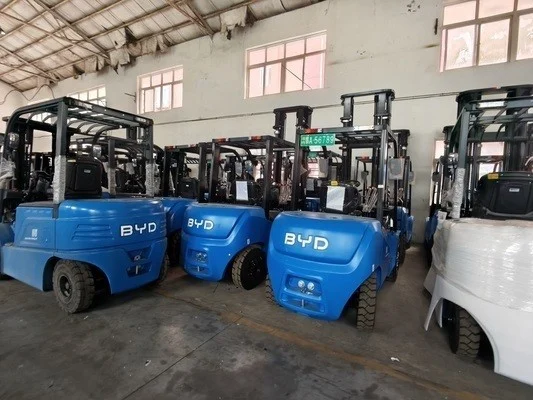
Only specific compact electric counterbalance forklifts can handle both indoor and light outdoor use on paved surfaces. No standard forklift type delivers consistent performance across indoor narrow aisles and unimproved outdoor rough terrain, due to differences in power, tire design and clearance requirements.
Do all forklift types require certified operator training?
Most regional workplace safety regulators mandate certified training any powered industrial lifting equipment, including all motorized forklift types. Manual pallet jacks may have different requirements based on location, but training still reduces injury risk regardless of regulation.
How do load capacities differ between common forklift types?
Counterbalance and rough terrain forklifts offer the highest maximum load capacities, often exceeding 30,000 lbs in specialized models. Reach forklifts and order pickers top out under 5,000 lbs, while pallet jacks usually have maximum capacities between 2,000 lbs and 5,000 lbs. Always confirm the exact capacity rating from the equipment manufacturer before use.
Understanding the different types of forklift helps procurement and engineering teams narrow options matching their specific operational needs. Always assess your work environment, load requirements, available space and budget before committing to a purchase or long-term rental. Test equipment at your site when possible to confirm it meets your daily operational demands.