How Many Types of Forklift Are There: A Clear Classification Breakdown Based On End User Industry And Specific Daily Work Requirements Guiding Industrial Purchasing And Engineering Selection
News 16/10/2026
Forklifts come in multiple distinct categories, each built to handle specific operational demands. This breakdown sorts common types by use case and capacity, helps industrial procurement teams make informed selection decisions. No single design works well across all work environments, so understanding core classifications saves time and capital during procurement processes.
Core Forklift Classification By Use Case And Capacity
Counterbalance Forklifts
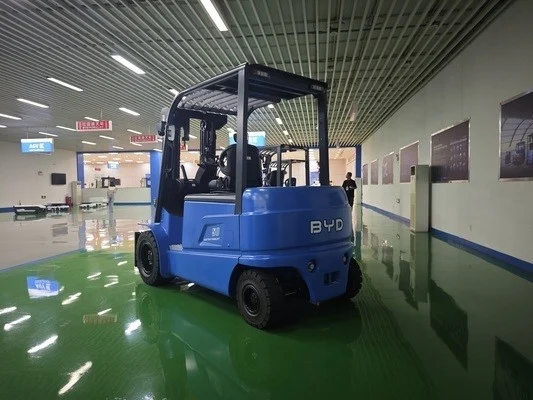
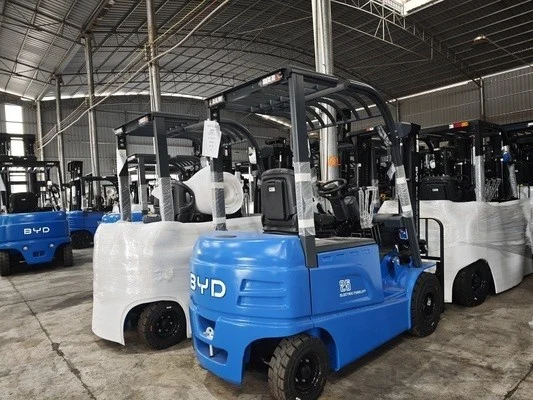
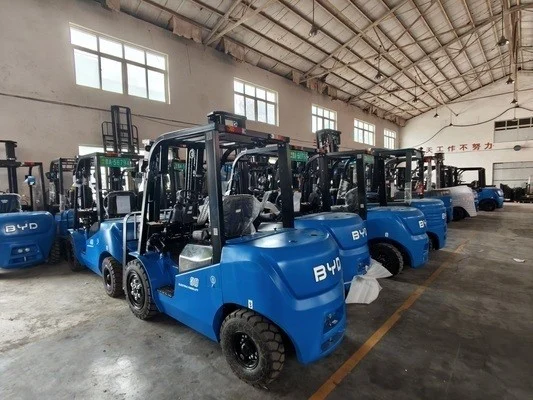
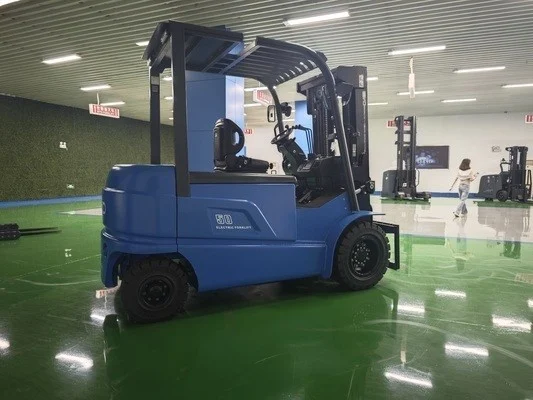
This type uses counterweight at the rear to offset heavy loads carried at the front. Most common designs sit on solid or pneumatic tires, perform well on flat paved warehouse or loading dock surfaces. Counterbalance models carry load capacities ranging from 3,000 pounds to over 50,000 pounds, suit general material handling across most manufacturing and logistics facilities. Most operations keep at least one counterbalance unit on site to handle loading, unloading and general transport tasks.
Narrow Aisle Forklifts
High density storage warehouses need tight turning capabilities only this group delivers. These designs cut turning radius dramatically, let facilities add more storage racking without expanding building footprint. Most models come with mast reach extensions, let operators access tall rack levels without repositioning the base unit. They fit operations focused on maximizing storage space within existing building footprints.
Rough Terrain Forklifts
Outdoor construction sites, lumber yards and unimproved work areas need rugged tires and strong frames. Rough terrain forklifts feature large, deep-tread pneumatic tires and high ground clearance, navigate uneven soft ground without getting stuck. Most use internal combustion engines, deliver enough power to move heavy building materials across uneven ground. They also often feature additional attachments like crane booms to handle non-palletized loads.
Hand Pallet Jacks
Smaller load moving tasks within retail stores, small warehouses and delivery vehicles rely on manual or powered hand pallet jacks. These low-profile units fit under standard pallets, let operators move loads up to 5,000 pounds without large vehicle footprints. Powered versions reduce operator strain during frequent load moves across daily shifts.
Key Procurement Selection Criteria To Narrow Options
After you identify general categories matching your work environment, cross check these critical factors to refine your final choice:
- Daily load weight range: Match maximum capacity to your heaviest regular loads; oversized units waste capital and require more storage space, while undersized units create safety risks and premature wear.
- Working space constraints: Measure your aisle width and door clearances before placing an order. Narrow aisles cannot accommodate standard counterbalance units, which require extra turning room.
- Indoor versus outdoor operation: Indoor operations need electric powered units with zero direct emissions, which fit indoor applications perfectly. Outdoor operations can use diesel, liquid propane or gasoline powered units that deliver longer run times under heavy load.
- Maximum lift height requirements: Warehousing with tall racking needs units with extended mast heights. Confirm mast extension specs match your tallest rack level before completing your purchase.
Each category also includes new and used options. Used forklifts fit lower budget operations with consistent predictable workloads, but require thorough inspection of mast, hydraulic system and tires before purchase. New forklifts come with manufacturer warranties, fit operations that demand consistent uptime and long service life.
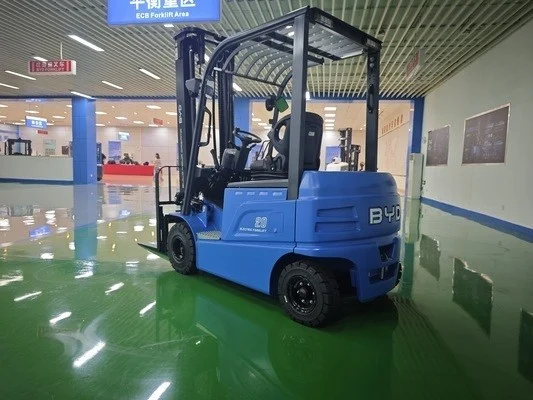
Many suppliers also offer optional attachments like fork positioners, clamps or side shifters that adapt base units to specialized load types. Factor these into your total cost if your operation handles non-standard loads.
Frequently Asked Questions
What is the most common forklift type most facilities use?
Counterbalance forklifts hold the largest global market share, because they handle multiple general material handling tasks across indoor and outdoor flat surfaces. Their versatile design works well loading/unloading trucks, moving materials across production floors and storing pallets in medium-wide aisles.
Can one forklift handle all operational tasks my facility needs?
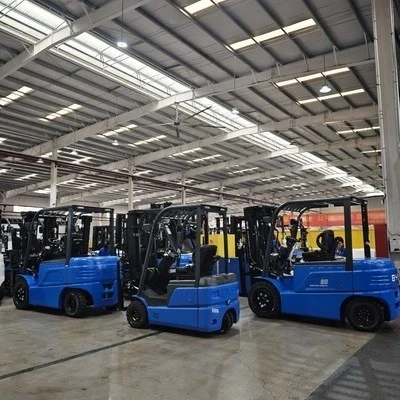
Most facilities benefit from at least two forklift types. Large warehouses often use counterbalance units to loading/unloading delivery trucks, and narrow aisle reach trucks to move pallets into high density storage. Small operations with limited budgets can choose a versatile mid-sized counterbalance unit if their aisles meet minimum width requirements.
Are electric forklifts better than internal combustion models?
This answer depends entirely on your work environment. Electric forklifts produce no direct emissions, operate more quietly and lower ongoing maintenance costs. However, electric models require battery charging stations and downtime when swapping batteries, which can limit continuous operation. Internal combustion models deliver longer run times and lower upfront cost for… wait no, rewrite: Internal combustion models deliver longer run times and lower upfront cost, suit outdoor operations. They also create unsafe conditions enclosed indoor spaces, so they should never see regular use inside fully enclosed buildings without heavy ventilation.
Before you finalize any purchase, confirm all unit specifications align with your documented operational requirements, and test maneuverability in your facility space if possible to avoid costly sizing errors.