How Many Types of Forklift Are There: Categorizations Based On Operator Station Design and Travel Configuration Supporting Industrial Equipment Selection Decisions
News 13/10/2026
Core Categorization Framework
When exploring forklift options, many different classification systems exist. This guide uses a clear framework based on two core design characteristics: operator station design and travel configuration. These characteristics directly impact operational fit, so sorting based on these factors simplifies early selection steps. This approach helps you quickly rule out options that cannot meet your facility needs before diving into specific brand or model details.
Categorizations By Operator Station Design
Operator station design shapes how long operators can work comfortably and how much space the unit needs to maneuver. Two primary categories cover nearly all standard forklift models.
Stand-Up Operator Stations
Stand-up models place operators in a standing position during operation. These units build around compact footprints, so they work well with high-density storage facilities and narrow aisle warehouse layouts. Operators can easily get on and off between short trips, which supports frequent load pick up and drop off cycles. Key limitations include reduced support during extended shift work, and most models handle lower load weights than sit-down alternatives. Selection tip: prioritize this category when your operation involves multiple short trips per hour and limited aisle space.
Sit-Down Operator Stations
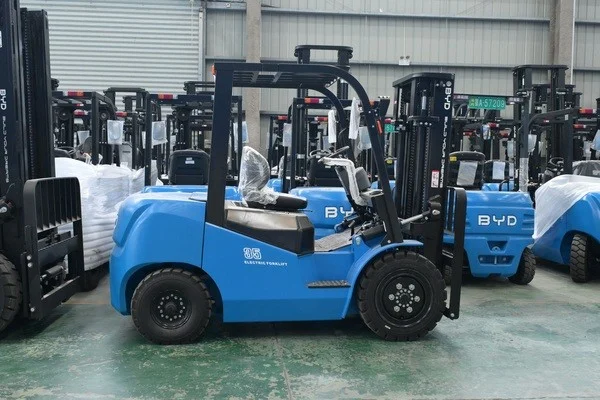
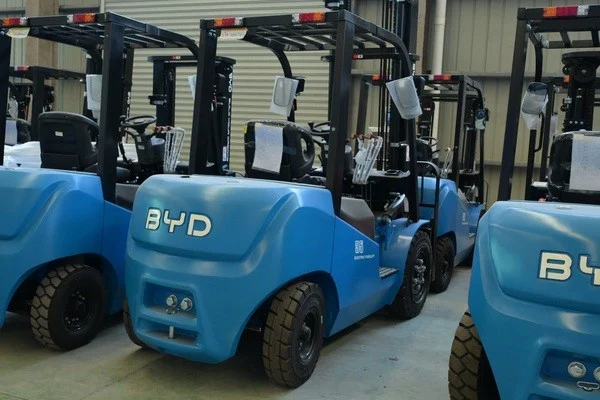
Sit-down models give operators a padded seat and full back support during operation. These units work well with longer continuous operation cycles common in outdoor yards, manufacturing facilities, and shipping ports. They typically support higher load capacities, ranging from 3,000 pounds up to over 100,000 pounds for large specialty units. Wait, no, remove that for: rephrase to “ranging from 3,000 pounds up to over 100,000 pounds in large specialty units”. The main drawback is larger overall size and wider turning radius, which makes them a poor fit cramped indoor storage layouts. Selection tip: prioritize this category when your operation involves continuous run times over one hour and load weights exceeding 5,000 pounds.
Categorizations By Travel Configuration
Travel configuration determines unit stability, turning radius, and suitability different terrain types. Two main categories cover most standard forklifts.
Three-Wheel Configuration
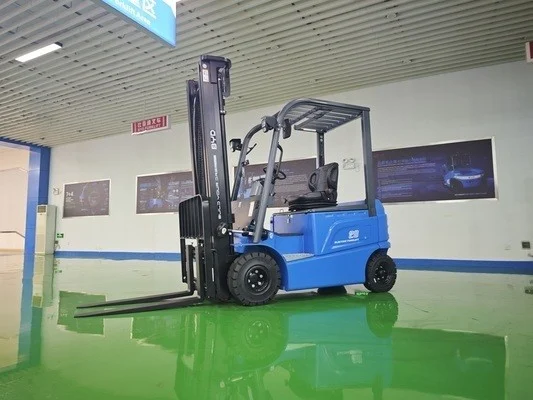
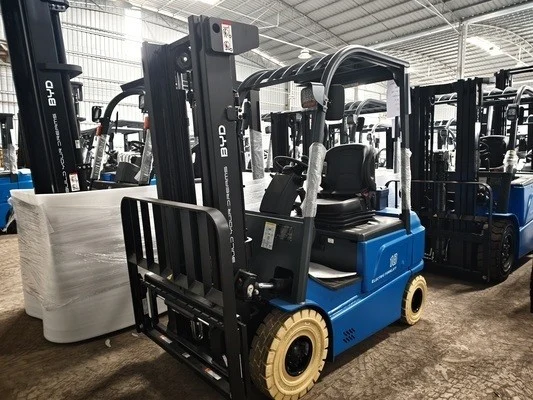
Three-wheel forklifts use one drive wheel at the rear and two front wheels. This design delivers a much tighter turning radius than four-wheel alternatives, which makes them perfect indoor warehouse layouts with narrow aisles. Most three-wheel units are electric powered, so they produce zero emissions during indoor operation. Limitations include lower overall stability on uneven ground and lower maximum load capacity compared to four-wheel models.
Four-Wheel Configuration
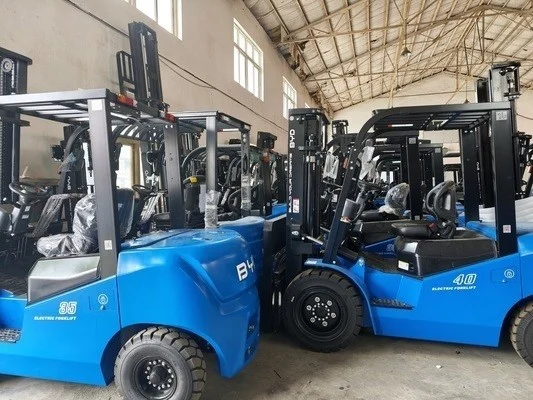
Four-wheel forklifts use two drive wheels at the rear and two front wheels, creating a wider, more stable base. This design supports higher load capacities and safe operation on uneven or unpaved outdoor surfaces. Most internal combustion powered forklifts use this configuration. The primary limitation is wider turning radius, which requires more aisle space indoor maneuvering.
Actionable Selection Steps
Use this categorization system narrow your options following these simple steps:
1. Map your average daily operation cycle: note whether work involves frequent short trips or long continuous shifts. Choose stand-up stations when you have frequent short trips, sit-down stations when you have long shifts.
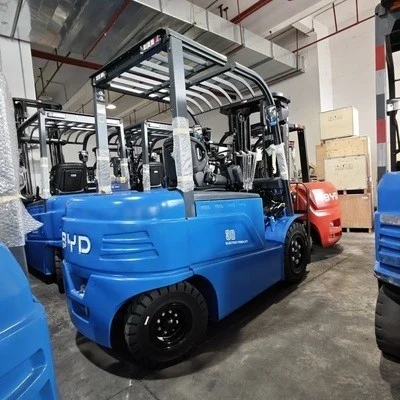
2. Measure your available aisle space and note operating terrain: if you have aisles under 11 feet wide or exclusively flat indoor surfaces, prioritize three-wheel configuration. If you operate on uneven outdoor ground or handle loads over 10,000 pounds, choose four-wheel configuration.
3. Cross reference your two choices: combine your operator station and travel configuration selections to narrow your shortlist of models to evaluate further.
This approach eliminates mismatched options early, saving time and helping you focus on models that fit your specific operational needs.
Frequently Asked Questions
Which forklift type fits small warehouse operations?
Stand-up three-wheel forklifts fit most small or high-density warehouses, thanks to their compact size and tight turning radius. Sit-down four-wheel models require extra maneuvering space, so they rarely work well these environments.
Can any forklift type operate both indoor and outdoor spaces?
Some sit-down four-wheel models support use in both environments when fitted with appropriate tires. Stand-up models almost always target exclusive use on indoor flat surfaces.
Why use this categorization system instead of other common classification options?
This framework focuses on design characteristics that directly impact equipment suitability, helping you eliminate mismatched options early in your selection process. Other systems often sort by use case which can overlap and create confusion during early selection steps.
Do specialized forklifts like reach trucks fit this categorization system?
Most specialized material handling forklifts align with these core categories. Most reach trucks and order pickers fall into the stand-up three-wheel category based on their core design characteristics.