How Many Types of Forklift Are There: Categorizations Based On Tire Type And Operating Terrain Supporting Industrial Material Handling Equipment Selection
News 14/10/2026
Core Categorizations: Forklift Types by Tire Type
Understanding forklift classifications starts with tire type, as tire design directly matches the machine to its work environment. This categorization simplifies early screening when you narrow potential equipment options.
Cushion Tire Forklifts
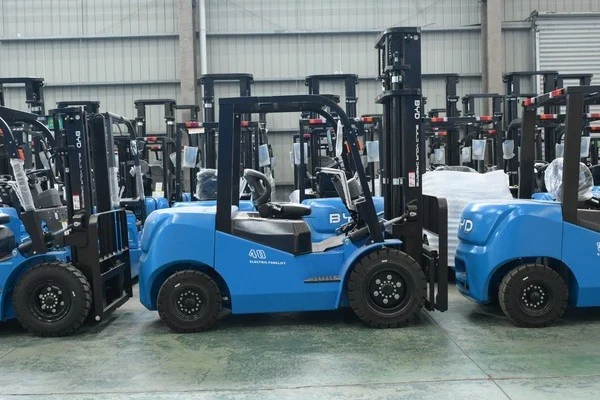
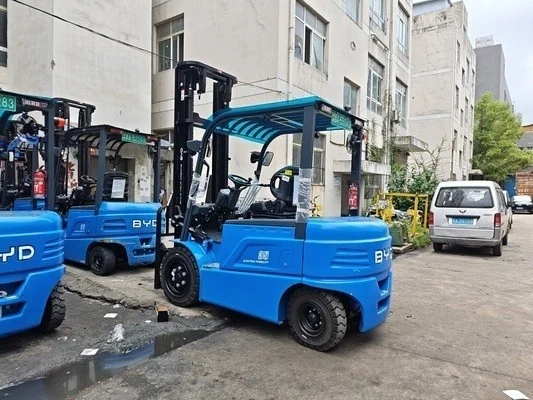
Cushion tires are solid rubber, mounted on smooth steel wheels. They work best on smooth, paved indoor surfaces like warehouse floors. Their low profile gives operators better maneuverability in narrow aisles, and they cost less to maintain than other options. Key limitations: they offer little traction on wet or uneven ground, so they never work safely outdoors on unfinished terrain. Common uses include loading/unloading trailers in distribution centers, moving pallets inside stacked storage facilities.
Pneumatic Tire Forklifts
Pneumatic tires come in two versions: air-filled or solid puncture-resistant. They have deep, thick treads that grip loose, uneven, or wet terrain. That makes them ideal in outdoor construction yards, lumber yards, and unpaved storage lots. They have higher ground clearance than cushion tire models, so they handle small bumps and debris easily. Limitations: their larger size reduces maneuverability in tight indoor spaces, and they cost more upfront and when replacing worn tires.
Non-Marking Cushion Tires
These are a variation of standard cushion tires, made from non-marking rubber compounds that leave no scuffs or marks on polished concrete, epoxy, or other finished indoor floors. Facilities with strict floor appearance requirements like food processing plants, retail distribution centers, and clean warehouses choose these. They share the same core advantages and limitations as standard cushion tires, so they only suit smooth indoor surfaces.
Forklift Types by Operating Terrain
Beyond tire design, categorizing forklifts by intended operating terrain helps you confirm the machine matches your daily work environment requirements. Three main groups cover most industrial use cases.
Indoor-Only Forklifts
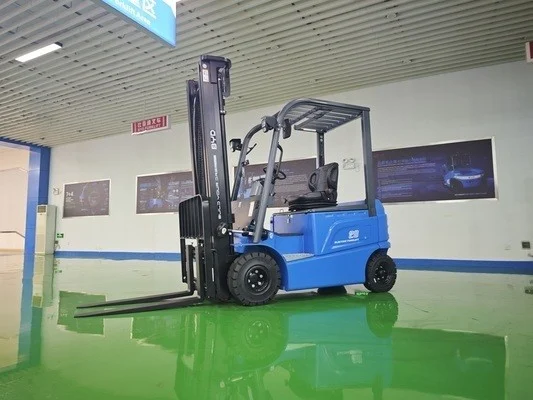
Almost all indoor-only forklifts use cushion or non-marking tires. They are built with compact frame sizes to navigate narrow aisles common in storage facilities. Most have lower lift capacity ranges (often 3,000 to 15,000 lbs) matching typical palletized cargo needs. Limitations: they lack the ground clearance and traction needed for outdoor use, and many electric models have power systems not designed to withstand exposure to rain or extreme temperature swings.
Outdoor Rough Terrain Forklifts
These purpose-built models use heavy-duty pneumatic tires, high ground clearance, and powerful diesel or propane engines to handle steep grades, loose gravel, mud, and uneven ground common on construction sites and remote storage lots. Many have lift capacities from 10,000 to 50,000 lbs, enough to handle large heavy loads like prefabricated building components or bulk lumber. Limitations: their large size makes them unsuitable in indoor warehouse spaces, they consume more fuel than smaller indoor models, and they require more frequent maintenance to combat exposure to dirt and weather.
Multi-Terrain Forklifts
These versatile models perform well in both indoor and outdoor settings. They often use hybrid tire designs or modified pneumatic tires that offer enough traction for mild outdoor terrain (like paved yard lots) while still fitting through standard warehouse doors. They are a good choice when small operations need one machine to handle multiple tasks, such as unloading delivery trucks outdoors then moving cargo into an indoor storage area. Limitations: they do not perform as well as purpose-built models in extremely narrow indoor aisles or extremely rough outdoor terrain.
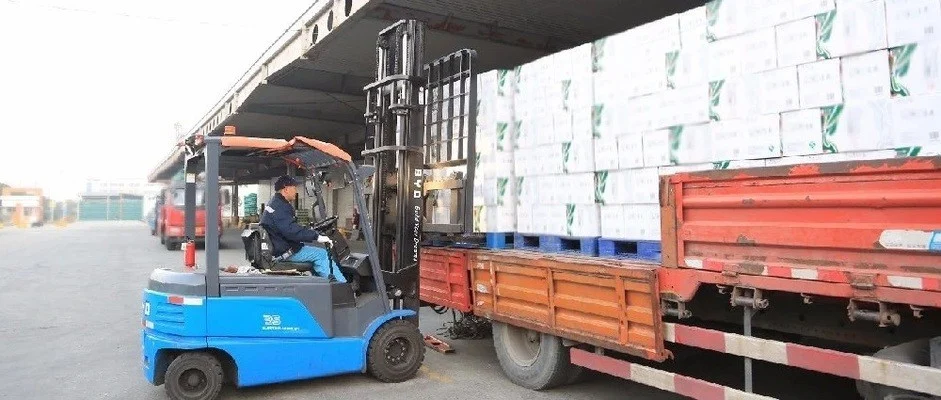
When selecting a forklift, always start by confirming your primary operating terrain and the tire type that matches that environment, before evaluating lift capacity and other features. This approach eliminates unsuitable options early and saves time during selection.
Frequently Asked Questions
Which forklift type works best in a warehouse with finished concrete floors?
Non-marking cushion tire forklifts engineered to operate indoors deliver the best combination of maneuverability and floor protection in this environment. They avoid scuffs and marks while navigating narrow aisles easily.
Can I use a cushion tire forklift outdoors?
Cushion tire forklifts only work safely outdoors on smooth, paved, dry surfaces. They lack traction on uneven or wet ground, so using them on unfinished outdoor terrain creates major safety risks from tipping or loss of control.
Do solid pneumatic tires offer benefits over air-filled versions?
Solid pneumatic tires eliminate the risk of punctures, which makes them ideal in work sites with loose debris such as nails or broken concrete. They cost more upfront, but they reduce downtime from flat tires in rough outdoor environments.
What capacity size fits most industrial tasks?
Capacity needs depend entirely on your typical load weight. Most indoor warehouse tasks need 3,000 to 10,000 lb capacity, while outdoor rough terrain tasks often need 10,000 lb capacity or higher. Always confirm your maximum expected load weight before selecting a model.