How Many Types of Forklift Are There: A Specification Checklist That Connects Load, Lift Height, Battery, and Charging Decisions to Four-Wheel Counterbalance Electric Forklifts
News 22/10/2026
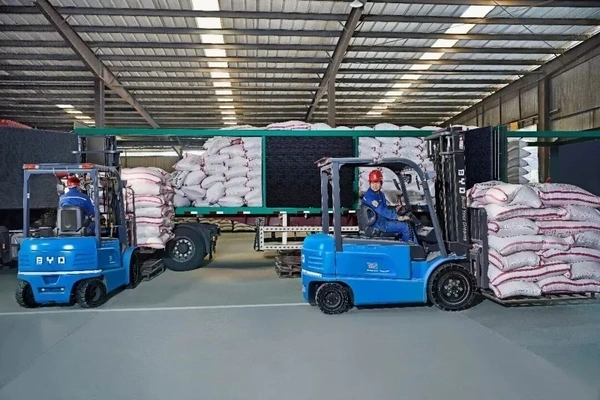
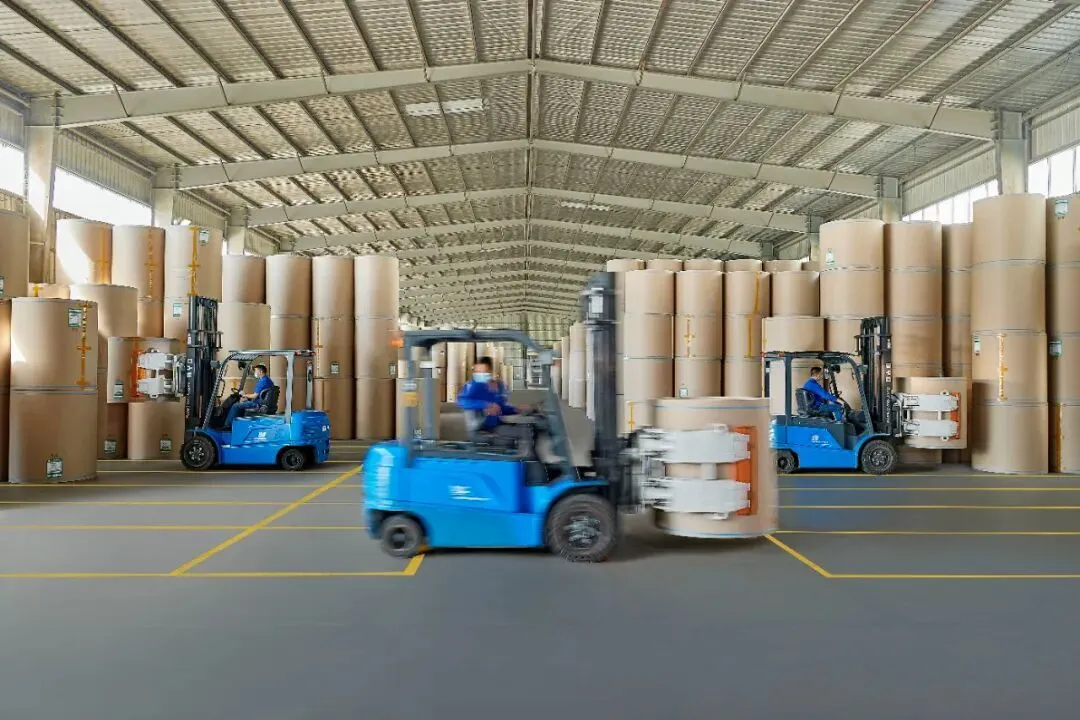
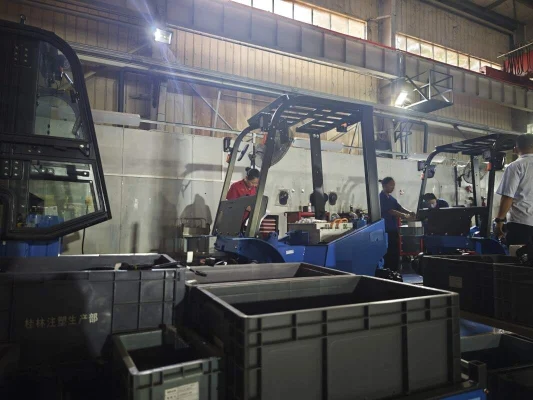
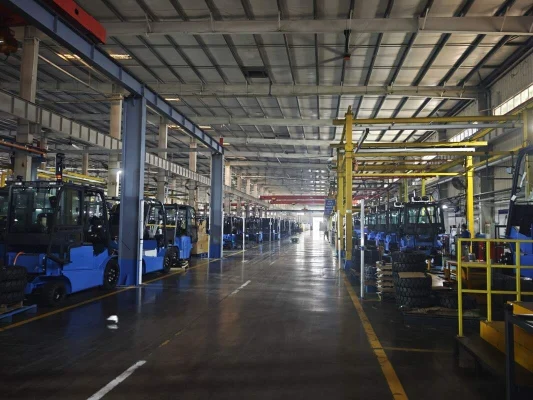
When you search how many types of forklift exist, you likely need clarity beyond generic lists to narrow options matching your material handling needs. The total number of recognized forklift types ranges from 5 to 10 depending on classification standards, but most fall into four core categories: counterbalance forklifts, narrow aisle forklifts, manual/powered hand trucks, and specialized automated guided equipment. Our company currently sells only BYD four-wheel counterbalance electric forklifts, including lithium battery powered models. This guide focuses on this type, which serves as common general purpose option for factory loading, unloading and warehouse transfer operations common in general manufacturing.
Common Forklift Categories: Quick Overview
Most classification systems split forklifts into groups based on design and intended use:
- Counterbalance forklifts: This design uses a rear counterweight to offset weight carried at the front. Four-wheel variants deliver strong stability across varied outdoor and indoor working surfaces.
- Narrow aisle forklifts: This group includes three-wheel counterbalance, reach and turret trucks, built for use in very narrow storage aisles.
- Hand trucks and pallet movers: These lower-capacity units handle short-distance pallet movement, most walk-behind models require manual operation or low power output.
- Specialized equipment: This group includes order pickers, tow tractors and automated guided units, built for specific niche tasks.
Four-wheel counterbalance electric forklifts work well in most general manufacturing facilities, where they handle loading/unloading trailers, moving bulk materials from delivery bays to storage areas, and feeding production lines. This guide focuses exclusively on specification checks relevant to this type.
Core Specifications Shaping Your Selection
Load Capacity and Load Center Distance
Your daily work defines the minimum load capacity your forklift must support. Manufacturers rate load capacity against a standard load center distance, typically 500mm or 600mm. If you handle longer or irregular loads, your effective load capacity drops as load center distance moves away from front axles.
When you evaluate options, you must confirm the rated capacity matches your heaviest regular load, and adjust capacity downward if your load center exceeds the manufacturer’s standard measurement. Capacity ratings change when you add front attachments, so you also need confirm adjusted capacity with your supplier.
Maximum Lift Height
Lift height directly impacts your ability to store loads at your required rack levels. Manufacturers rate maximum lift height with full load or half load, so you need check the rating relevant to your typical use. If you need high lift storage, your mast design also impacts overall mast height when fully lowered, which matters if you need move the forklift through low doorways or under low ceiling sections.
Battery and Charging Configuration
BYD four-wheel counterbalance electric forklifts come with lithium battery options, which fit multi-shift operations when paired with opportunity charging or quick battery swap setups. Your operation’s shift schedule dictates your required battery capacity and charging approach. You need confirm battery capacity matches your full shift runtime, and check what charging infrastructure your site can support before you place an order.
Specification Check Comparison Table
| Parameter | General Manufacturing Relevance | Items To Confirm With Supplier | Configuration Notes |
|---|---|---|---|
| Load Capacity | Matches your heaviest routine load | Rated capacity at standard load center | Adjust capacity if you add attachments |
| Load Center Distance | Affects effective capacity for non-standard loads | Factory default load center rating | Confirm adjusted capacity for your load size |
| Maximum Lift Height | Matches your highest rack storage level | Rated lift height at full load | Confirm overall lowered mast height fits your doorways |
| Battery Type | Matches your shift runtime needs | Lithium battery capacity rating | Lithium options come standard on most BYD models in this category |
| Minimum Aisle Width | Determines fit within your facility’s aisles | Turning radius and required working aisle width | Four-wheel models need wider aisles than narrow aisle designs |
| Operating Environment Rating | Handles your facility’s floor conditions and temperature | Allowed temperature range for vehicle and battery operation | Confirm sealing and protection if your site has wet or dusty conditions |
Pre-Purchase Data Collection Steps
Before you contact suppliers, collect this key information to speed up your selection process:
- Document your heaviest routine load and average load size. Note any irregular load shapes that change your load center distance.
- Measure your facility’s minimum aisle width, maximum lowered mast clearance, and highest required lift height for storage.
- Record your daily number of shifts and total daily operating hours. Outline what charging access your site offers during breaks.
- List any attachments you need, such as side shifters, fork positioners, or custom clamps, to handle your specific loads.
Once you collect this data, share it with our team to get custom configuration advice matching your site needs.
Frequently Asked Questions
Do four-wheel counterbalance electric forklifts work outdoors?
Yes, most models work well on paved outdoor surfaces such as delivery yards and trailer loading docks. You need confirm the manufacturer’s protection rating for electrical components if your operation exposes the unit to frequent wet weather.
What makes four-wheel counterbalance electric forklifts different from three-wheel models?
Four-wheel models deliver higher stability, especially on uneven surfaces and when carrying heavier loads. Three-wheel models offer smaller turning radii for narrower aisles, but our current sales range does not include three-wheel models.
Can I use a four-wheel counterbalance electric forklift in cold storage facilities?
This depends on the unit’s specific configuration and your cold storage temperature range. You need confirm battery operating temperature range, cold-specific components, and sealing with the supplier before you commit to a purchase.
This checklist helps you narrow your focus on specifications that directly impact your daily operation, rather than generic classification lists. Always confirm all specifications against your site’s unique needs before you finalize your purchase.