How Many Types of Forklift Are There: A Classification Guide Based On Industrial Job Function And Site Constraints Informing Material Handling Equipment Purchasing and Engineering Selection
News 09/10/2026
Understanding different forklift types helps stakeholders avoid costly mispurchases and align equipment with operational needs. This guide sorts common lift truck models based on core job function and site constraints, two critical factors that drive engineering selection and purchasing decisions.
Common Classifications By Core Job Function
Counterbalance Forklifts
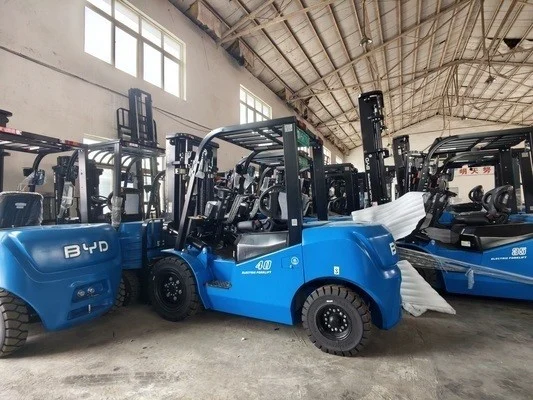
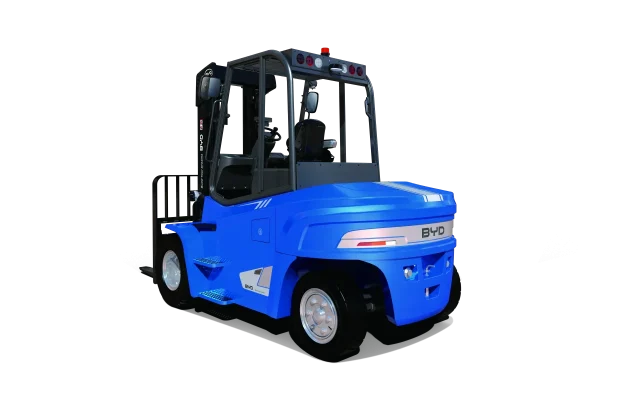
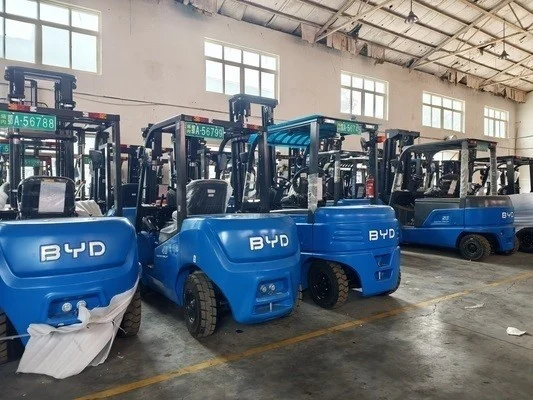
Counterbalance forklifts use weight built into the rear frame to offset heavy loads placed on front forks. This design eliminates the need to use extended outriggers, making the unit compact enough to fit many standard work environments.
Core applications include loading and unloading delivery trucks, moving palletized goods across flat warehouse floors, and stacking loads up to 20 feet high. Most models run on internal combustion engines or electric batteries, with load capacities ranging from 3,000 to 15,000 pounds.
Key limitations: Counterbalance units require enough open space to turn, so they do not work well in very narrow aisles. Internal combustion models need proper ventilation, so they cannot operate long-term in enclosed indoor spaces.
Narrow Aisle Forklifts
Narrow aisle forklifts include reach trucks and turret trucks designed to maximize storage density in high-volume warehouses. Their narrow chassis and specialized mast designs allow operation in aisles as narrow as 8 feet, compared to 12+ feet that standard counterbalance models require.
Reach trucks extend masts to place loads onto high racks up to 40 feet high, and work exclusively indoors on smooth concrete floors. Turret trucks add rotating forks to access racks from multiple angles without repositioning the entire truck, boosting picking speed in high-turnover storage facilities.
Key limitations: Lower overall load capacity, most top out at 5,000 pounds. They also require very smooth, level floors to maintain stability at full lift height.
Rough Terrain Forklifts
Rough terrain forklifts build on heavy-duty truck frames with large, deep-tread tires and high ground clearance. They are built to operate across uneven, unpaved surfaces common at construction sites, lumber yards, and outdoor storage lots.
Most models use diesel engines to deliver enough power to climb steep grades and handle heavy loads, with capacities up to 30,000 pounds in large industrial variants. Some designs include telescopic booms that extend forward and upward to lift materials onto rooftops or elevated work zones.
Key limitations: Large size and rough tread tires damage finished indoor floors, so they are not suitable to fit standard warehouse operations. Their high center of gravity also requires strict adherence to load limits on uneven ground.
Pallet Jacks
Pallet jacks, also called pump trucks, are low-profile units built to move palletized loads short distances across flat surfaces. Manual pallet jacks use hand-powered hydraulics to lift loads a few inches off the ground, while electric pallet jacks use motorized power to move heavier loads faster.
They are the most common forklift variant found in retail back rooms, delivery vehicles, and loading docks where loads need transport short distances. Manual models cost far less than full-size forklifts, and require almost no dedicated storage space.
Key limitations: Cannot stack loads vertically, and most models do not lift loads more than a foot off the ground. Manual models require physical effort from operators, so they are not ideal when frequent heavy use across long distances is required.
Classification Based On Site Constraints
Beyond core job function, site-specific constraints often narrow down viable forklift options faster than generic functional classifications. Key site factors include:
Indoor Versus Outdoor Operation
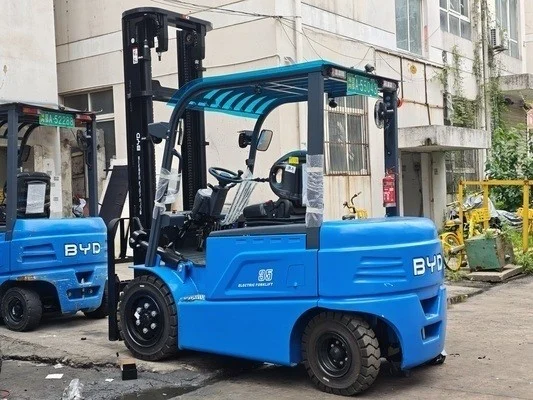
Indoor operations almost always use electric-powered forklifts to eliminate toxic exhaust emissions. Electric models also run quieter, reducing workplace noise pollution. Outdoor operations typically use internal combustion models that handle weather exposure and rough ground better than electric components.
Aisle Width And Space Constraints
Warehouses built with high-density storage layouts need narrow aisle models to fit between storage racks. Facilities with open bulk storage can use larger, higher-capacity counterbalance models that cost less and handle heavier loads.
Surface Condition
Finished concrete indoor floors work with all indoor forklift variants, but uneven gravel or dirt surfaces require rough terrain models with reinforced suspension. Sloped sites also require higher power output and stability features not found in standard indoor forklifts.
Actionable Selection Tips
Before you finalize any purchasing decision, map all operational requirements to avoid mismatched equipment:
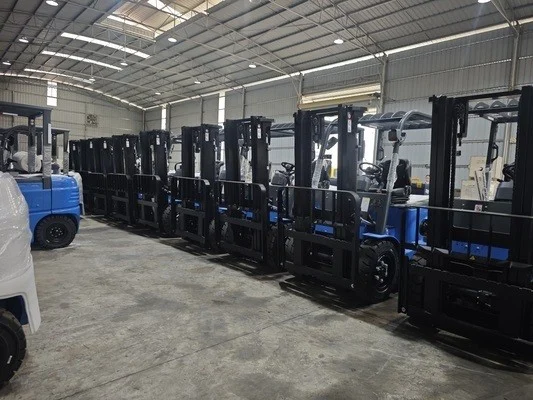
- Measure your narrowest aisle and maximum lift height before you select any model. A wrong fit can leave you unable to use 20% or more of your storage space.
- Match load capacity to your heaviest common load, add 10% buffer to avoid repeated overload that shortens equipment lifespan.
- Account for power source requirements: electric models need dedicated charging stations and enough shift time to recharge between uses, while internal combustion models need fuel storage and proper ventilation.
- Test operate any unit you consider, to ensure ergonomics match your operators’ needs.
Frequently Asked Questions
What is the most common type of forklift?
Counterbalance forklifts remain the most widely used variant across most general material handling operations, due to their flexible design and lower upfront cost compared to specialized narrow aisle or rough terrain models.
Is a pallet jack considered a forklift?
Yes, industry standards classify pallet jacks as a class of powered or manual forklift, since they share core function lifting and moving palletized loads.
How do I choose the right forklift matching my operation?
Start by documenting four core parameters: your maximum load weight, your narrowest work aisle, your maximum lift height, and your work environment (indoor vs outdoor, surface condition). This set of parameters automatically eliminates most unsuitable options early in your selection process.
Can rough terrain forklifts work indoors?
Rough terrain forklifts rarely work well indoors, due to their large size, exhaust emissions, and aggressive tread that damages finished concrete and other indoor surfaces. Only use them indoors during very specific short-term construction tasks where surface damage does not raise concern.
Understanding different forklift types ensures you invest in equipment that matches your operational needs, avoids costly downtime, and keeps your work environment safe. By sorting options based on job function and site constraints, you can simplify your selection process and focus on models that deliver long-term value your operation.