LiFePO4 Forklift Procurement Due Diligence: Battery, Charger, and Duty-Cycle Questions Buyers Should Ask
News 21/10/2026
LiFePO4 Forklift Procurement Due Diligence centers three critical areas that directly impact your electric forklift’s long-term operational performance and total ownership cost. When sourcing LiFePO4 powered four-wheel counterbalance electric forklifts, skipping generic checklists and focusing your assessment on battery design, charger compatibility and duty-cycle alignment prevents expensive post-purchase problems many buyers encounter.
Verify Core Battery Specifications
Start your assessment with the LiFePO4 battery pack itself, the most expensive and impactful component of your electric forklift. Confirm full documentation that proves cell chemistry matches LiFePO4, as other lithium chemistries carry different safety and performance characteristics.
Key points confirm include:
- Cell manufacturer identity and warranty terms: Many suppliers source cells from third party producers, so you need clear written warranty covering cell defects and premature capacity loss
- Pack construction: Sealed pack designs resist dust, moisture and occasional spill exposure common in industrial warehouses and manufacturing yards
- Usable capacity rating: Match usable capacity to your heaviest typical lifting loads; higher lifting weights demand higher capacity packs to prevent voltage drop during operation
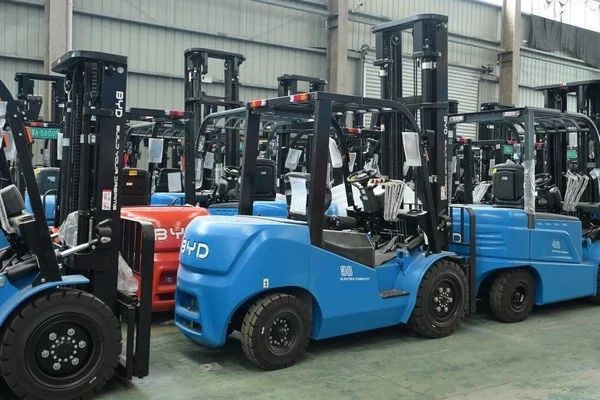
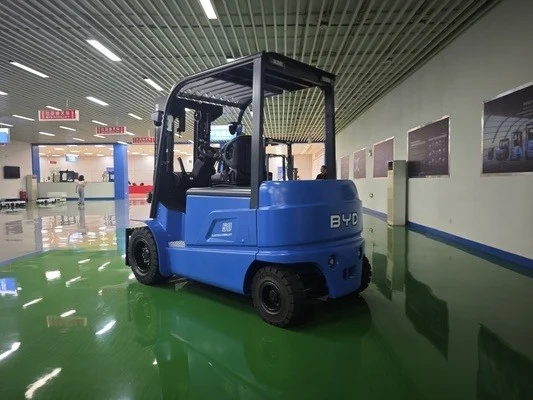
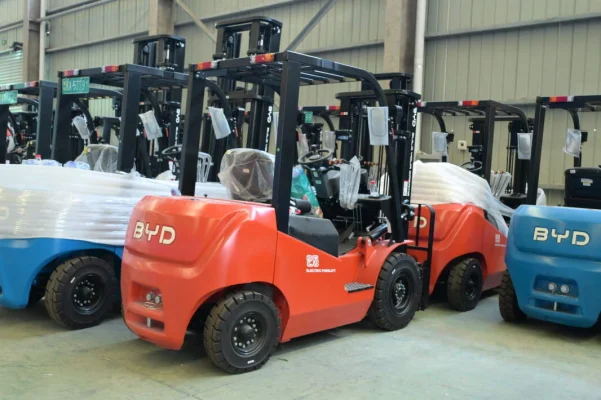
- Weight distribution alignment: Four-wheel counterbalance electric forklifts rely on battery weight to deliver stability. LiFePO4 cells have higher energy density than traditional lead-acid chemistries, so equivalent capacity LiFePO4 packs often weigh less than lead-acid alternatives. This weight difference directly impacts the counterbalance effect your chassis relies on, so even small deviations can reduce maximum safe lifting capacity in real operation. Confirm the LiFePO4 pack weight meets original design specifications of your chassis
Confirm Charger Compatibility and Installation Needs
LiFePO4 batteries require purpose-built chargers tuned to the battery’s voltage and capacity curve. Generic lead-acid chargers damage LiFePO4 cells and void all warranty coverage.
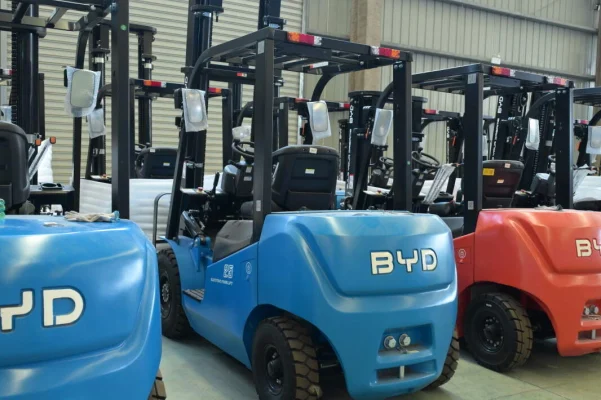
Ask your supplier these critical details:
- Does the charger come included with the forklift purchase, and is it calibrated specifically to match your battery pack?
- Does input voltage match your facility’s existing power grid output?
- Does the charger support opportunity charging? LiFePO4 chemistry handles frequent short charges during shift breaks, which extends runtime across multi-shift operations.
- What physical dimensions does the charger have, and do you need any special electrical upgrades before installation at your site?
Opportunity charging capability eliminates requirement of large battery swap infrastructure, which saves valuable floor space at your facility. Many multi-shift operations use battery swapping with lead-acid batteries, which requires extra batteries, dedicated storage space and trained staff to complete swaps safely. LiFePO4 opportunity charging lets your team keep the same battery in the forklift across all shifts, removing labor needs tied to regular swaps.
Frequently Asked Questions
Does LiFePO4 battery work in cold storage environments?
LiFePO4 performance drops at sub-zero temperatures. Most manufacturers offer cold weather pack options with integrated heating systems. You must confirm this feature if your operation runs in spaces with temperatures below freezing.
Can I convert an existing lead-acid forklift to run a LiFePO4 battery?
Conversion projects work on some four-wheel counterbalance forklift chassis, but weight balance and mounting dimensions must match your existing frame. New LiFePO4 powered forklifts come with correct weight distribution built into the design, which delivers more stable lifting performance under full load.
What duty cycles work best with LiFePO4 powered forklifts?
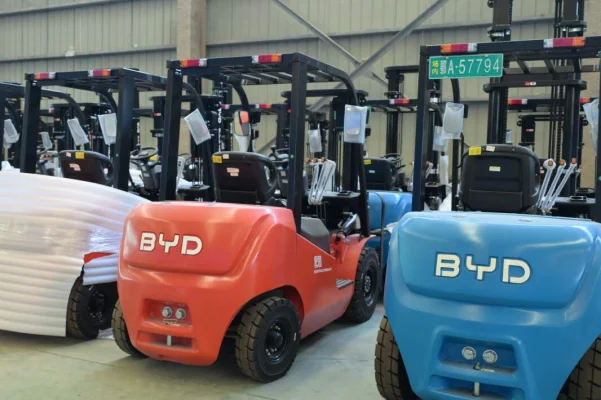
LiFePO4 batteries handle multi-shift operations well when paired with opportunity charging. They require less regular maintenance compared to lead-acid batteries, which cuts daily operational downtime. Match your expected daily runtime to the battery’s published usable capacity to avoid unexpected operation stops.
Once you complete your due diligence across these areas, share your operation’s specific lifting capacity, maximum lift height and daily runtime expectations with our team. We can help you review BYD four-wheel counterbalance electric LiFePO4 forklift configuration options aligned with your operational requirements.