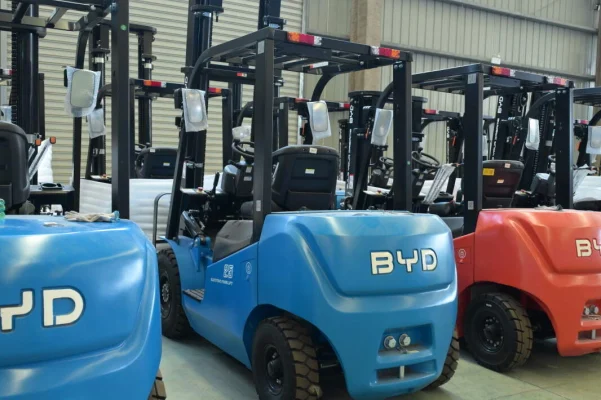
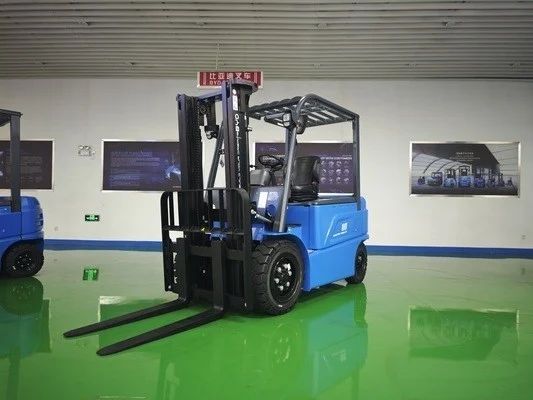
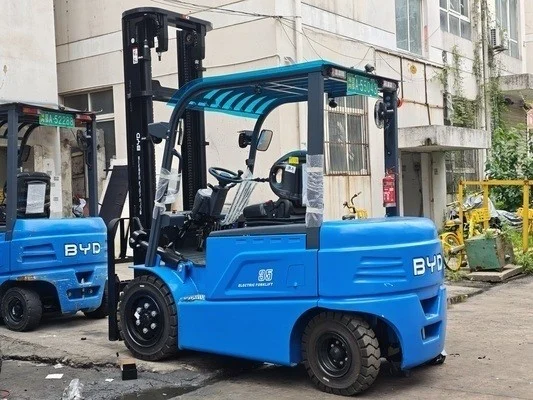
How Lithium Forklift 3 Ton Fits Your Warehouse Daily Material Handling Workflows
News 04/10/2026
Most warehouse operations move consistent bulk loads weighing between 1 and 3 tons daily, so matching lift capacity to common tasks cuts downtime and boosts efficiency. A 3 ton lithium forklift brings unique benefits compared to traditional lead-acid models, and understanding its fit within your existing workflows helps you make informed purchasing decisions.
Key Use Cases Within Daily Warehouse Workflows
Loading and Unloading Delivery Trucks
Most standard pallets carrying consumer goods, industrial parts, or packaged bulk materials weigh between 1,000 and 2,500 pounds, so a 3 ton (6,000 pound) lift capacity leaves a safe buffer against heavier than average loads without unnecessary overcapacity that wastes money and increases truck size.
A 3 ton lithium forklift’s compact design (common for most models… wait no, common across most models in this capacity class) lets it maneuver in tight loading dock spaces, and its lithium battery delivers consistent power through multiple loading cycles without voltage drops.
Horizontal Transport Across Multi-Zone Facilities
Many warehouses move full pallets from loading docks to storage zones, then from storage to packing areas multiple times per shift. Lithium batteries deliver consistent power even as the battery discharges, so the lift maintains consistent travel speed and lifting performance through the entire work day, unlike lead-acid models that slow down as battery level drops.
This consistent performance keeps daily workflows on schedule, reducing delays that impact order fulfillment timelines.
Stacking and Retrieval Palletized Inventory
Most 3 ton lithium forklift models work with standard racking systems common across most warehouses, matching lift height requirements up to 30 feet across most standard configurations, so they fit most high-bay and standard storage setups.
The consistent lifting power also means the lift can handle heavy pallets at maximum height without performance dips, speeding up storage and retrieval tasks.
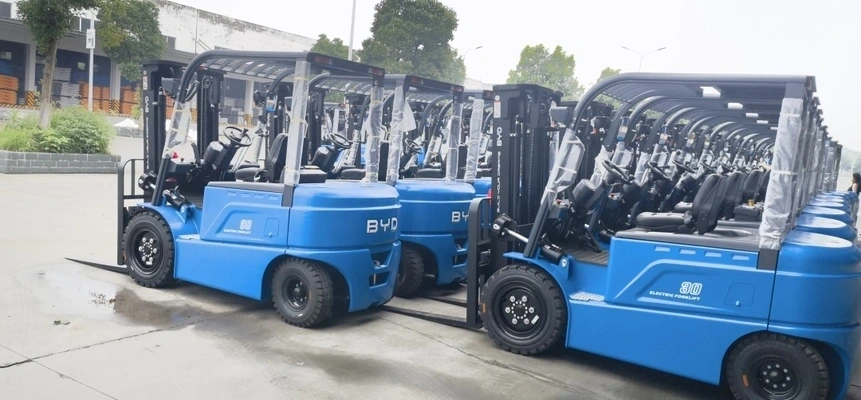
Selection Criteria To Confirm Fit
Assess Your Average and Maximum Daily Load Weights
Always calculate your maximum expected load, not just average, to confirm the 3 ton rating meets your needs. If your maximum load rarely exceeds 3 tons, this capacity works well. If you move loads over 3 ton on a regular basis, select a higher capacity model to avoid safety risks and premature component wear.
Most operations with average loads between 1.5 and 2.8 tons get the best value from this capacity class.
Evaluate Multi-Shift Operation Needs
Operations running two or three shifts daily gain significant value from lithium power, because opportunity charging during breaks lets you keep the lift in operation across all shifts without battery swapping. Lead-acid models require extra batteries and dedicated space to swapping, which adds overhead cost and takes valuable warehouse space.
Check Facility Clearance and Maneuvering Space
3 ton lithium forklifts come in both counterbalance and narrow-aisle configurations, so you can match the model to your aisle width. Counterbalance models work across aisles 11 to 13 feet wide, while narrow-aisle models fit into spaces as small as 8 feet wide, depending on the manufacturer.
Always measure your aisle width and doorway clearance before selecting a model to avoid integration issues.
Known Limitations To Consider
Initial purchase cost exceeds comparable lead-acid 3 ton forklift models, so smaller operations with low daily usage may see longer return on investment.
Some older facilities lack compatible charging infrastructure, so you need to budget for installation of dedicated charging stations before integrating the unit into workflows.
Lithium batteries require specific temperature ranges to support optimal operation; extremely cold or hot warehouse environments may need temperature-controlled battery storage to maintain expected lifespan.
Some insurance policies require updated safety protocols covering lithium battery powered equipment, so check with your provider to understand any additional requirements you must meet before adding a 3 ton lithium forklift to your fleet.
Frequently Asked Questions
Is a 3 ton lithium forklift compatible with existing warehouse charging setups?
Most 3 ton lithium forklifts use standard high-voltage charging connections, but many require dedicated 240V or higher charging stations. Older lead-acid charging outlets may not match the connector type or power requirements, so always confirm compatibility with the dealer before completing your purchase.
Can a 3 ton lithium forklift handle multi-shift warehouse operations?
Most full-charge lithium batteries on 3 ton models deliver enough power to cover 8 to 12 hours of continuous operation, depending on load intensity and terrain. Many operations use opportunity charging during breaks or shift changes to extend run time, eliminating need related to battery swaps common across lead-acid models.
What types of warehouses benefit most from this capacity class?
General wholesale warehouses, retail distribution centers, and manufacturing facilities moving standard palletized loads gain the most value from 3 ton lithium forklifts. Facilities that handle extremely large, oversized loads or very small light loads will not see optimal use from this capacity rating.
How does maintenance of a 3 ton lithium forklift differ from lead-acid models?
Lithium forklifts require less regular maintenance than lead-acid models. You do not need to check electrolyte levels, clean corrosion terminals, or complete monthly equalize charges. Standard maintenance focuses on brake checks, tire wear and hydraulic system inspections, matching routine upkeep applied to other forklift types.
Final Notes
A 3 ton lithium forklift fits most daily warehouse material handling workflows when your average load weights align with its capacity rating, you have compatible charging infrastructure, and you value consistent power across extended operation. It brings benefits in reduced maintenance and longer run time compared to lead-acid models, but carries higher upfront costs that require evaluation against your operation’s usage frequency. Confirm your facility’s specific needs before committing to purchase to ensure the unit integrates smoothly into your existing daily processes.