Advanced Integrated Safety Systems Enhance 3.5 ton electric forklift Operational Stability In High-Volume Warehousing
News 12/10/2026
High-volume warehousing operations face constant pressure to keep material handling moving safely and efficiently. 3.5 ton electric forklift units are popular choices in these environments, offering solid lifting capacity and zero on-site emissions that fit indoor storage needs. Advanced integrated safety systems address one of the most common risk points: inconsistent operational stability that can lead to accidents and downtime.
Core Stability Challenges In High-Volume Warehousing
High-volume warehousing operations involve constant movement, tight loading bays, repeated lift cycles and frequent turns on crowded concrete floors. 3.5 ton electric forklift units work as core workhorses here, balancing lifting capacity with maneuverability needed for narrow aisles common in modern storage layouts.
Stability issues cause tip-overs, load shifts, and collisions that threaten worker safety, damage inventory and trigger unplanned downtime. Common instability triggers include uneven floor surfaces, sudden direction changes, lifting loads near maximum rated capacity, and quick acceleration. Many older or entry-level models rely on disconnected mechanical stability features that react to instability rather than prevent it, leaving gaps in operational safety.
How Integrated Safety Systems Improve 3.5 ton electric forklift Operational Stability
Integrated safety systems connect multiple stability features into a single network controlled by the forklift’s onboard computer, rather than operating as separate, disconnected components. This allows real-time adjustments that prevent instability before it develops. Key common features include:
Active Mast Control
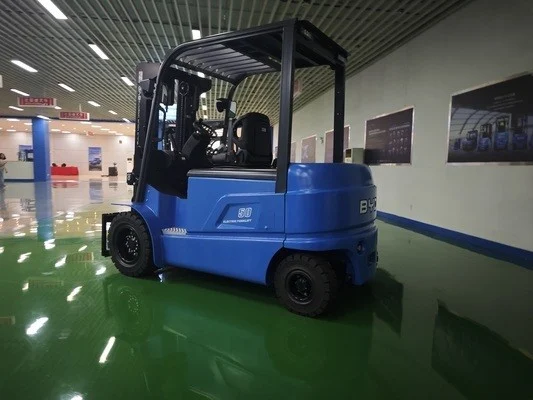
Integrated active mast control adjusts mast positioning automatically based on load weight and lift height. The system connects directly to the forklift’s onboard control unit, instead of operating as a standalone add-on. It reduces mast sway when lifting or moving loads at height, keeping the unit’s center of gravity within safe operating ranges.
Dynamic Speed Adjustment
This system adjusts travel speed based on steering angle, lift height and load weight. When a 3.5 ton electric forklift enters a turn with a raised load, the system cuts speed automatically to prevent weight shift that could cause tip-over. Unlike static speed limiting set by warehouse teams, dynamic adjustment adapts to real-time operating conditions without restricting productivity in open, straight sections of the facility.
Load Sensing Stability Support
Onboard sensors continuously monitor load weight and distribution. If the load exceeds safe stability thresholds under current operating conditions, the system blocks unsafe movements such as further lifting or sharp turns before instability can develop.
Key Selection Considerations and Operational Limitations
When evaluating integrated safety systems paired with your 3.5 ton electric forklift, prioritize options calibrated to match your warehouse’s specific layout and operation profile. Narrow aisle warehouses need systems tuned for tighter turns and more frequent direction changes, while open bulk storage facilities benefit from systems adjusted to support higher average travel speeds with heavy loads.
No integrated safety system eliminates all stability risk. These systems rely on accurate factory calibration, regular maintenance and clean sensor surfaces to work correctly. Buildup of dirt, dust or impact damage to sensors can cause incorrect readings that reduce system effectiveness. Operators also need proper training to understand how the system interacts with their driving habits, and what system alerts indicate.
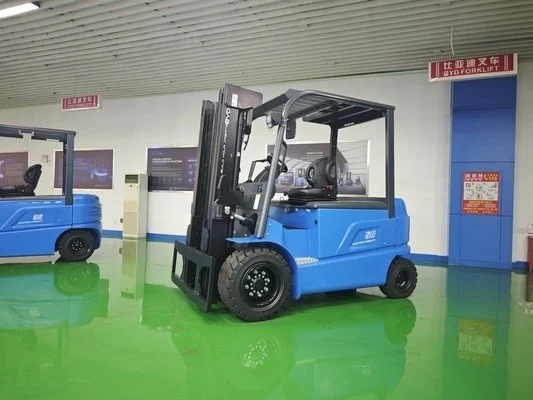
Additionally, most modern integrated safety systems come as factory-installed options. Retrofitting older 3.5 ton electric forklift units can be costly, and retrofitted systems may not match original equipment performance levels. Always confirm compatibility and expected performance with your equipment supplier before committing to a retrofit project.
Check that any system you choose meets regional industrial safety standards applicable to your location. Some standards require specific stability intervention features on units operating near pedestrian walkways, which adds another layer to your selection process.
Overall, integrated safety systems deliver meaningful stability improvements that align with the demands high-volume warehousing places on 3.5 ton electric forklift. When selected correctly and maintained regularly, they reduce safety risks and support consistent daily operations without unnecessary productivity tradeoffs.
Frequently Asked Questions
Are integrated safety systems only needed on new 3.5 ton electric forklift units?
While most integrated systems ship with new units, some compatible options exist to retrofit recent model 3.5 ton electric forklift. Retrofitting requires assessment by qualified technicians to confirm compatibility, and costs vary based on system complexity.
Can integrated safety systems help lower warehouse insurance premiums?
Many insurance providers offer premium reductions to warehouse operations that equip material handling equipment with advanced integrated safety systems. You should confirm this potential benefit directly with your own insurance provider, as terms vary across providers and regions.
Do integrated safety systems reduce 3.5 ton electric forklift productivity in high-volume operations?
Well-designed integrated systems do not reduce overall productivity. They only restrict unsafe movements that would otherwise create costly downtime from accidents. The automatic adjustments keep operations moving smoothly while cutting overall accident risk.