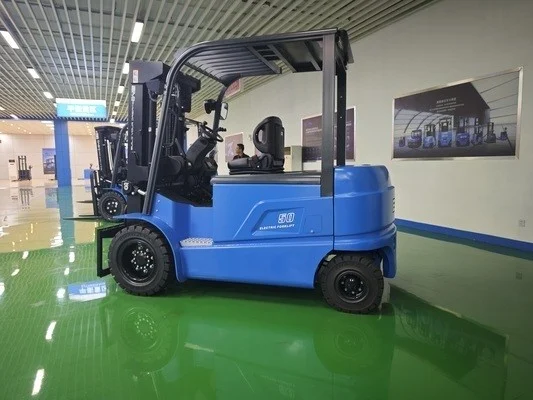
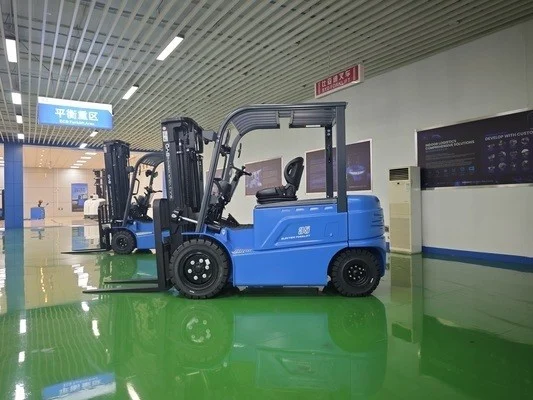
Lithium Ion Forklift Battery Charging Window Planning: Aligning Opportunity Charging With Four-Wheel Counterbalance Electric Forklift Shift Handovers
News 03/11/2026
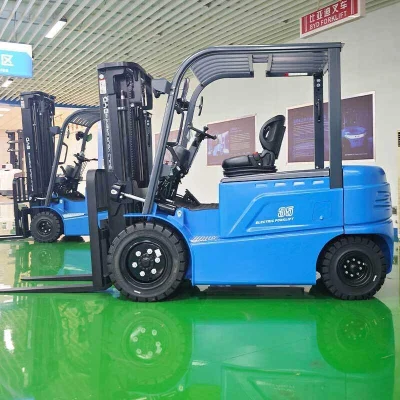
Opportunity charging a lithium ion forklift battery works best when charging windows align with shift handovers. The goal is simple: keep the four-wheel counterbalance electric forklift ready without disrupting material flow. This article explains how to plan those windows using your actual shift pattern, charger availability, and battery management system (BMS) behavior. It does not assume a universal charging strategy; instead, it offers a practical framework you can adapt to your site.
Why Shift Handovers Are Natural Charging Windows
Shift handovers create built-in pauses in forklift use. During a handover, the outgoing operator completes paperwork, the incoming operator receives instructions, and the truck may sit idle. These pauses can be used to top up the lithium ion forklift battery. Unlike lead-acid batteries, lithium ion batteries generally accept partial charging without the need for full cycles, but the actual charging profile depends on the battery and charger specifications. Always confirm with the manufacturer’s data.
Handover charging reduces the need for dedicated charging breaks later in the shift. However, it requires planning: the charger must be available, the connection must be quick, and the battery’s state of charge (SoC) must be within a range that accepts charge. Without these conditions, opportunity charging can become a source of delay rather than a benefit.
Steps to Plan Charging Windows Around Handovers
Planning is a process of matching energy demand to available time. The following steps help you create a workable schedule. They are general guidelines; adjust them to your specific operation.
1. Map Your Shift Pattern and Handover Duration
Identify when each shift starts and ends, and how long the handover takes. Handover duration varies by site; it might be 10 minutes or 30 minutes. Use actual observed times, not assumptions. Note also any breaks during the shift that could serve as additional charging opportunities.
2. Estimate Energy Consumption per Shift
Energy use depends on the four-wheel counterbalance electric forklift’s workload: load weight, lift height, travel distance, and floor conditions. Without measured data, you can estimate by tracking battery SoC at the start and end of shifts over several days. The difference gives a rough consumption rate. For accurate figures, use the battery’s BMS data or a telematics system if available.
3. Determine Charging Rate and Time Needed
Charging time depends on the charger’s output and the battery’s acceptance rate. Lithium ion batteries often allow higher charge rates than lead-acid, but the BMS may limit current based on temperature and SoC. Refer to the charger and battery specifications for the maximum charge rate. Calculate the time to add the energy consumed per shift: if a shift uses 20% of battery capacity and the charger can add 10% per hour, you need two hours of charging—more than a typical handover. In that case, you may need multiple charging windows or a higher-rate charger.
4. Assign Chargers and Locations
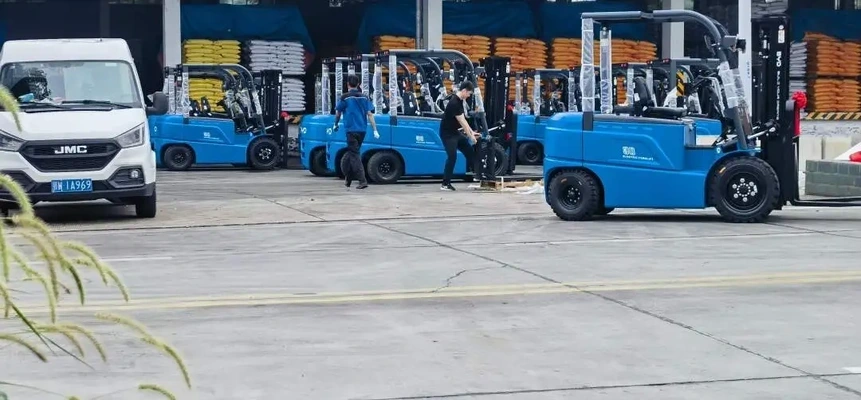
Place chargers near handover areas to minimize travel time. Ensure the number of chargers matches the number of forklifts that need charging simultaneously. If chargers are shared, stagger handovers or use a queue system. Avoid locating chargers in areas that block traffic or create safety hazards.
5. Create a Charging Schedule and Communicate It
Document the schedule and display it at the charging station. Include which forklift charges when, and who is responsible. Train operators to plug in during handover and to verify that charging has started. A simple checklist can prevent missed opportunities.
6. Monitor and Adjust
After implementing the schedule, monitor SoC levels and any charging errors. If batteries are not reaching sufficient charge, adjust the schedule, add charging windows, or review charger capacity. Use BMS logs to identify patterns.
Operational Considerations and Common Pitfalls
Even a well-planned schedule can run into issues. The following points highlight areas that often need attention.
Battery State of Charge and Charging Acceptance
Lithium ion batteries may not accept full charge current at very low or very high SoC. The BMS might reduce current to protect the battery. This means the effective charging rate during a short window may be lower than the charger’s maximum. Plan charging windows when the battery is in a range that accepts the desired current. Consult the battery manufacturer’s charging curve.
Temperature Effects
Charging in cold or hot environments can affect performance. Some BMS units limit charging outside a specified temperature range. If your facility experiences temperature extremes, discuss mitigation with the supplier, such as charging in a temperature-controlled area.
Charger Availability and Queueing
If multiple forklifts share one charger, handover charging can create queues. Calculate the total charging demand during each handover and compare it to charger capacity. You may need additional chargers or a staggered schedule.
Operator Compliance
Operators may skip charging if they are rushed or if the charger is inconvenient. Regular reminders and simple procedures help. Consider integrating charging into the handover checklist.
Battery Management System Data
Use BMS data to track SoC, charging events, and errors. This information helps refine the schedule and identify equipment issues early.
Frequently Asked Questions
Can opportunity charging during handovers replace a full charge?
It depends on the energy consumed and the charging rate. If handover charging adds enough energy to complete the shift, a full charge may not be needed daily. However, periodic full charges may be recommended by the manufacturer for battery balancing. Check the battery manual.
How long should a charging window be?
The window should be long enough to add the energy needed for the next shift, considering the charger’s output and the battery’s acceptance rate. Use the calculation in step 3 to determine the minimum time. Add a buffer for connection and startup.
What if my handover is too short to add meaningful charge?
If handovers are very short, you may need to use other breaks or schedule dedicated charging periods. Alternatively, a higher-rate charger could reduce charging time, but verify that the battery and infrastructure support it.
Do I need special chargers for lithium ion forklift batteries?
Yes, lithium ion batteries require chargers designed for their voltage and chemistry. Using an incompatible charger can damage the battery or create safety risks. Always use the charger specified by the battery manufacturer.
How can I monitor charging without complex systems?
Start with manual logs: record SoC at the start and end of each charge. Many BMS units have simple indicators. For more detail, consider a basic telematics solution.
Planning charging windows around shift handovers requires site-specific data and a willingness to adjust. Begin by observing your current pattern, then implement a simple schedule and refine it. If you operate four-wheel counterbalance electric forklifts and need assistance selecting a lithium ion battery or charger configuration, consult your supplier with your actual shift and load details.