Understanding How Lithium Ion Forklift Weight Distribution Impacts Warehouse Floor Load Limits
News 14/10/2026
Core Differences In Weight Distribution: Lithium Ion vs Lead-Acid Forklifts
Lead-acid forklift batteries typically make up 20 to 40 percent of a forklift’s total weight. Manufacturers locate this heavy mass at the unit’s rear to counterbalance loads carried at the front forks. This creates an uneven weight profile, with higher concentrated loads on the rear axle.
Battery Placement And Overall Machine Weight
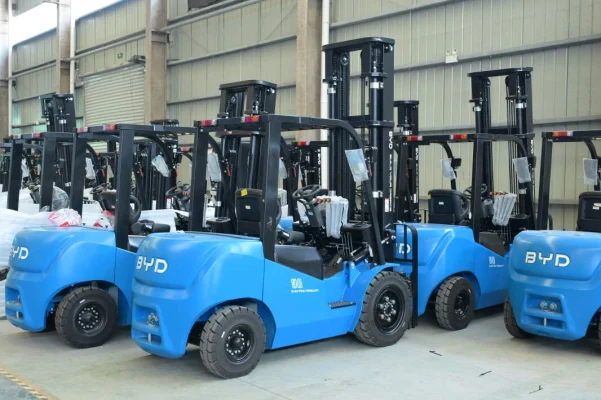
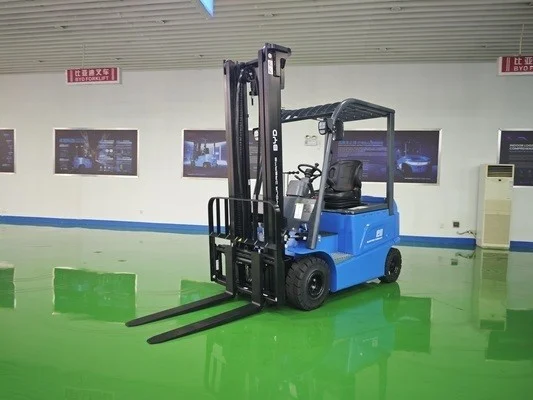
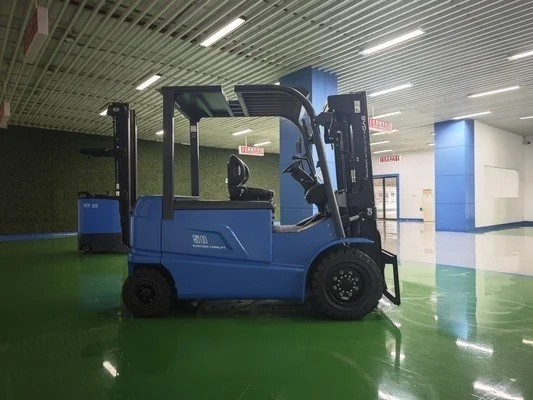
Lithium ion batteries weigh roughly 40 to 60 percent less than equivalent lead-acid units. Most lithium ion forklift designs integrate the battery into the undercarriage, spreading weight evenly across the entire machine base.
Lower overall machine weight and even distribution changes the pressure the unit exerts on warehouse floors. This fundamental difference in weight balance creates very different interactions with warehouse concrete slabs compared to traditional lead-acid forklift designs.
Key Impacts On Warehouse Floor Load Limits
Warehouse floor load limits define the maximum weight any area can support safely, measured either as total distributed load or concentrated point load from vehicle wheels. Uneven weight distribution on lead-acid forklifts creates higher point loads under the rear axle, even when the forklift carries no load.
Uniform Pressure Distribution And Point Loads
Lithium ion forklifts spread weight more evenly across all four wheels, reducing peak point loads on any single section of floor. This can allow heavier lithium ion units operate within existing floor load ratings that would exclude heavier, unevenly distributed lead-acid units.
Dynamic Load Changes During Operation
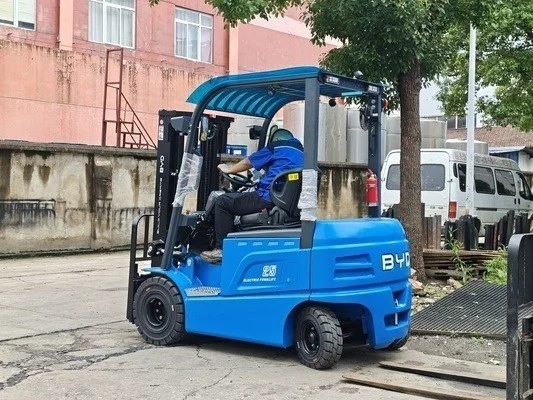
When a lithium ion forklift lifts a load at its front forks, dynamic weight shift still occurs. But the lower, more balanced base reduces the magnitude of this shift compared to lead-acid designs. Peak dynamic loads when lifting or turning remain lower overall, which puts less repeated stress on warehouse floor joints, edges, and older concrete slabs.
Repeated high dynamic loads can lead to cracking, spalling, and long-term structural degradation over time. Lower consistent stress extends your floor’s service life when facilities switch to evenly balanced lithium ion units.
Important Considerations Older Facilities
Many older warehouses were designed with original equipment weight profiles in mind. If you upgrade from lead-acid to lithium ion forklifts of the same load capacity, you will likely see lower overall floor stress. But if you upgrade to a higher load capacity lithium ion unit, you still need calculate total load and point loads against your floor’s rated limits.
Some facilities assume lower total weight automatically means safe operation, but improper load rating checks can still lead to unexpected damage. Always consult your facility’s original structural drawings or a licensed structural engineer to confirm compliance before adding new equipment.
Understanding your lithium ion forklift’s weight distribution helps you make informed equipment purchasing decisions, protect your facility infrastructure, and maintain safe daily operations. Even with more favorable weight profiles than lead-acid alternatives, proper pre-installation checks remain critical to avoid unexpected costs or safety hazards.
Frequently Asked Questions
Does lower total lithium ion forklift weight mean my floor can always support it?
Not automatically. Lower overall weight and even distribution typically reduces floor stress compared to same-capacity lead-acid units. But higher capacity lithium ion forklifts can still exceed your floor’s load limits. Always verify ratings against your specific unit’s weight and wheel distribution before operation.
Do lithium ion forklifts cause less floor damage than lead-acid units?
When comparing units with same load capacity, evenly distributed weight and lower dynamic loads usually reduce repeated stress on concrete floors. This can lower long-term damage risk, but proper maintenance, load handling practices, and floor condition also play major roles in damage prevention.
What should I check before switching to lithium ion forklifts in an older warehouse?
First, gather your new forklift’s total weight and wheel load specifications from the manufacturer. Next, locate your facility’s original structural documents that list floor load limits. If you cannot find original documents, contact a licensed structural engineer to perform on-site load testing. Confirm all point loads and total distributed loads fall within rated limits before you begin regular operation.
Can weight distribution impact other warehouse safety factors beyond floor load?
Yes. More even weight distribution and lower center of gravity improves lithium ion forklift stability during operation and load lifting. This reduces tip-over risk, which creates a safer work environment alongside lower floor stress.