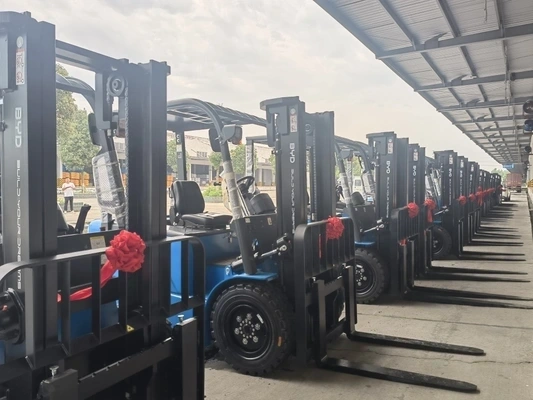
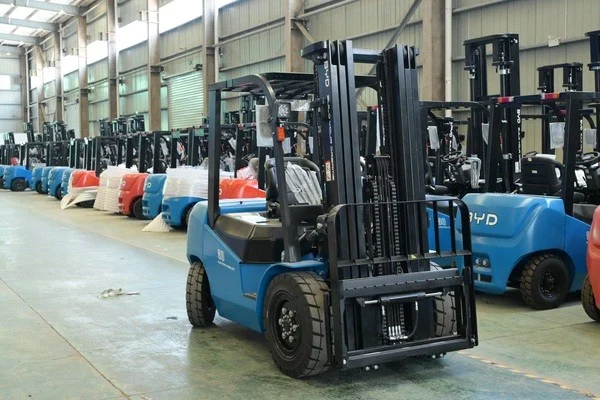
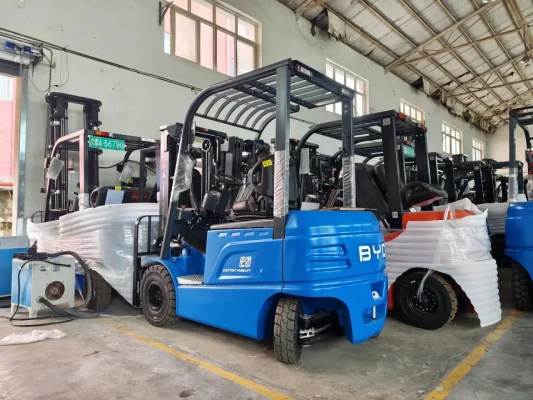
Mast Design Directly Influences 3.5 ton electric forklift Load Capacity And Lift Height Under Heavy-Duty Operations
News 16/10/2026
Mast design plays a critical role in defining real-world performance of any 3.5 ton electric forklift working under heavy-duty operations. Factory-rated load capacity and maximum lift height rely heavily on mast structure, material choice, and stage count. Many buyers overlook this connection when selecting a forklift, leading to underperformance or safety issues when working with heavy loads at height.
Core Mast Design Factors That Impact Performance
Several core design elements directly alter how much weight a 3.5 ton electric forklift can safely lift, and how high it can raise that weight. The most impactful elements include mast stage count, material gauge, and carriage design.
Multi-Stage Mast Configurations
Mast stage count matches lift height requirements. Common configurations include:
- Duplex (two-stage): Two nested mast sections. This design keeps overall mast length low when retracted, and adds minimal extra weight to the forklift front end. Most standard 3.5 ton electric forklift units come with duplex masts, which support full rated capacity across most lower lift ranges.
- Triplex (three-stage): Three nested mast sections. This design delivers much higher maximum lift height, suitable for high-bay storage applications. The extra section adds front-end weight, which shifts the vehicle center of gravity forward and reduces the maximum safe load the unit can handle at full height.
- Quad (four-stage): Four nested sections built extreme lift height requirements. These masts add even more front-end weight, leading to greater reductions in available load capacity at top lift ranges.
Material And Construction Quality
Thicker, higher-strength steel mast channels improve rigidity under heavy loads. Rigid masts reduce flex and deflection when lifting near-rated capacity, which improves safety and control. Lower-quality thinner steel cuts production cost but increases flex, which can limit safe load capacity even on units marketed with standard ratings. Carriage design also matters: heavy-duty carriages add extra front-end weight, which can reduce available load capacity but supports heavier attachment use.
Operational Tradeoffs Under Heavy-Duty Conditions
When evaluating a 3.5 ton electric forklift heavy-duty use, you must balance desired lift height against required load capacity. Every mast design creates inherent tradeoffs that align with specific operational needs.
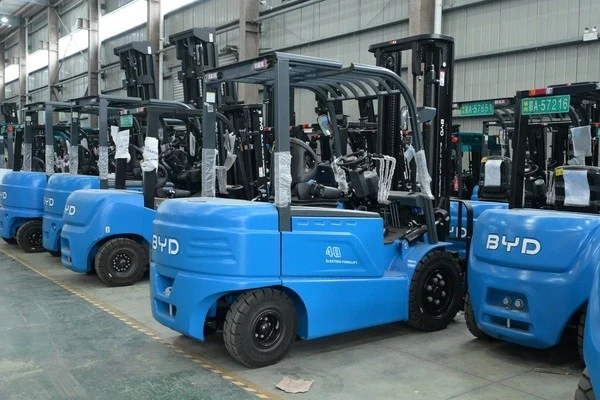
In high-bay storage operations, teams prioritize lift height over maximum load. A triplex mast delivers the required lift, but you must confirm the unit’s reduced capacity at full height matches the average load weight your team handles. If your average load weighs 2.8 tons, and the triplex mast 3.5 ton electric forklift delivers 3 tons capacity at full height, the configuration works. If you regularly move 3.4 ton loads to full height, the reduced capacity creates safety hazards.
In outdoor heavy-duty lifting such as lumber yards or shipping yard loading, teams prioritize maximum load capacity over extreme lift height. A standard duplex mast delivers full rated 3.5 ton capacity across most common lift ranges, making it the better choice. The lower maximum lift height matches common loading and unloading requirements, so the tradeoff supports your operational needs.
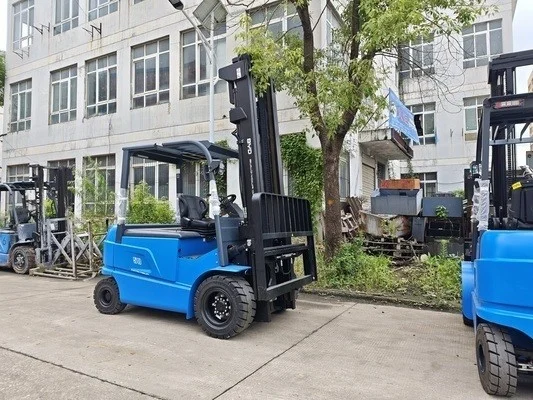
Center of gravity shifts create another key consideration. When you lift a load higher, the combined center of gravity of the forklift and load moves closer to the front axle. Mast design amplifies this shift, because taller masts add more weight to the front of the unit. Good mast design includes offset channel placement and reinforced mounting to reduce this shift, but it cannot eliminate the underlying tradeoff between lift height and load capacity.
Frequently Asked Questions
Which mast design delivers maximum load capacity on a 3.5 ton electric forklift?
Standard duplex two-stage masts typically deliver the highest possible safe load capacity. Their simpler design adds less extra front-end weight, so the full factory 3.5 ton rating applies across most common lift ranges.
Does any mast design maintain full 3.5 ton capacity at maximum lift height?
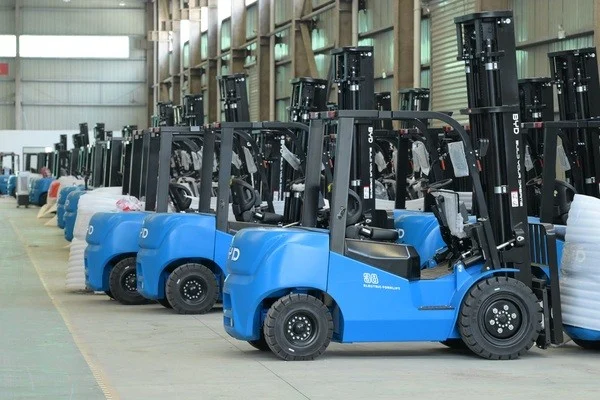
Most production 3.5 ton electric forklift models cannot maintain full rated capacity at maximum lift height, regardless of mast design. The added weight of the taller mast, combined with the shifted center of gravity, always reduces the maximum safe load at top height. Always check the manufacturer’s load capacity chart before operating a unit at height.
Should I upgrade my mast to get higher lift height?
Upgrade only when your operational needs require consistent lifting to the higher height. You must also confirm the reduced load capacity at that height matches your typical load weights. Upgrading to a taller mast without checking capacity leads to unsafe operation and reduced forklift service life.