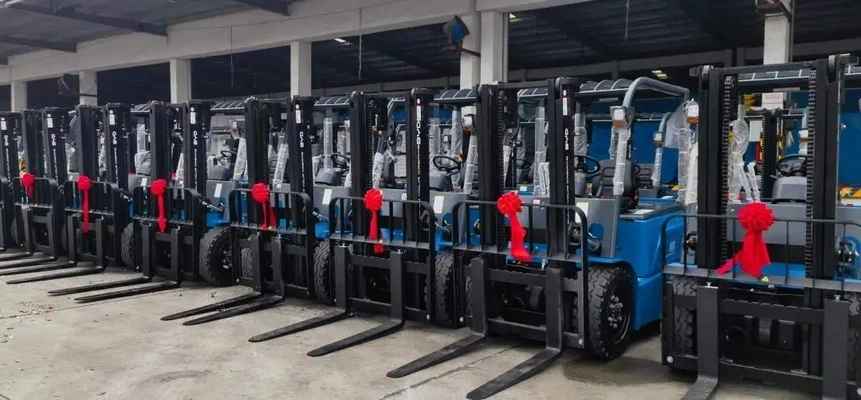
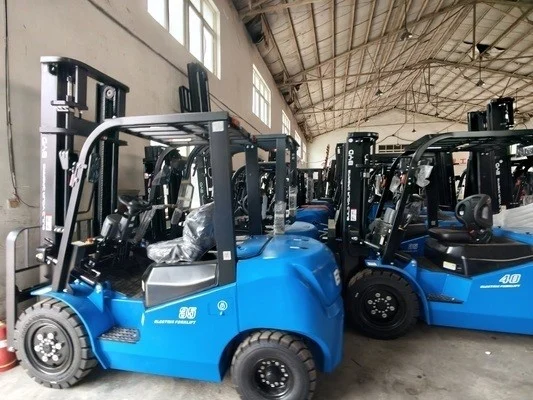
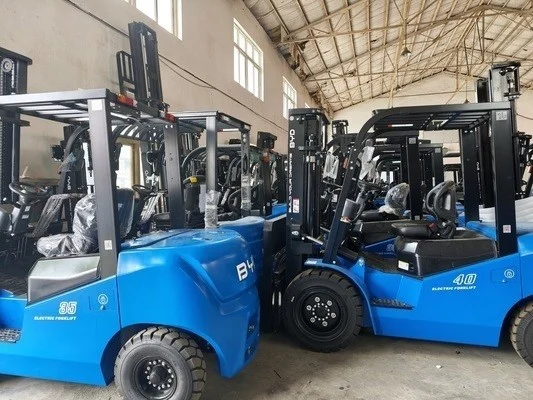
Adjusting Forklift Trucks Hydraulic and Electrical Systems to Meet Cold Storage Operational Requirements
News 12/10/2026
Core System Challenges in Cold Storage Environments
Cold storage spaces maintain consistently low temperatures that create unique stress on forklift components. Standard forklift designs target general indoor and outdoor moderate temperature ranges, so unmodified units often suffer unexpected failures when operated in sub-zero conditions. Issues range from slowed operation to complete breakdowns that disrupt supply chains and increase maintenance costs.
Hydraulic System Vulnerabilities
Hydraulic systems power lifting, tilting and steering functions critical to forklift operations. Low temperatures raise hydraulic fluid viscosity, which slows flow through valves and lines. This delay creates unresponsive control that increases operator error risk. Cold also makes standard rubber seals and gaskets harden, crack and shrink over time. Leaking fluid reduces system pressure, creates slip hazards on warehouse floors and requires frequent top-offs that raise operational overhead.
Electrical System Vulnerabilities
Electrical components power engine ignition, battery operation, sensor readings and control modules. Low temperatures reduce chemical reaction rates inside batteries, cutting available capacity by up to 50% in extreme sub-zero conditions. Moisture condensation forms when forklifts move between cold storage and warm ambient areas, leading to corrosion on metal terminals and connection points. Standard wiring insulation also becomes brittle in constant cold, cracking and exposing live wires that create short circuit and safety risks. Unreliable electrical systems can trigger sudden shutdowns that leave loads suspended mid-lift, creating serious workplace hazards.
Practical Adjustments for Reliable Long-Term Operation
Targeted adjustments address core stress points and help forklifts deliver consistent performance in cold storage settings. These modifications range from simple component swaps to integrated system upgrades, matching different usage levels and budget constraints.
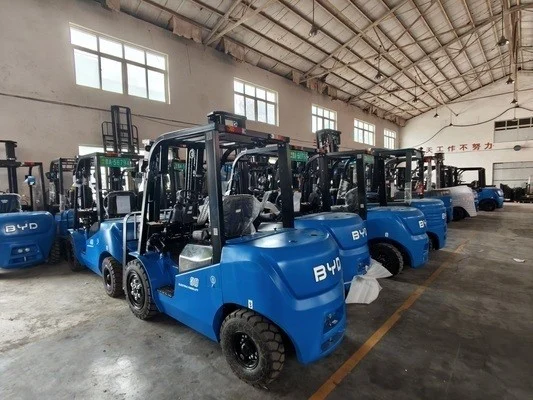
Hydraulic System Modifications
First, swap standard hydraulic fluid with low-temperature formulated products that maintain stable viscosity even at -40°C. These products retain smooth flow properties, eliminating unresponsive control issues common in unmodified systems. Next, replace all standard seals and gaskets with cold-resistant synthetic rubber compounds. Materials like hydrogenated nitrile butadiene rubber (HNBR) and silicone stay flexible in constant low temperatures, reducing leakage risk and extending component service life. For high-usage fleets wait no, that’s independent for, okay change: High-usage fleets benefit from integrated hydraulic fluid pre-heaters that activate before operation, bringing fluid up to optimal working temperature quickly. This adjustment cuts warm-up time and reduces unnecessary wear during initial startup. One key limitation: pre-heaters draw additional power, so technicians must verify existing electrical systems can handle the extra load before installation.
Electrical System Modifications
Start with battery upgrades: swap standard batteries with cold-optimized models designed specifically to maintain chemical activity at sub-zero temperatures. Lithium-ion batteries often deliver better cold performance compared to traditional lead-acid options, though they come with higher upfront cost. Add insulated battery blankets to maintain consistent internal operating temperature, reducing capacity loss during extended shifts. Next, replace standard wiring insulation with cross-linked polyethylene (XLPE) or low-temperature PVC compounds that stay flexible in cold environments. Apply anti-corrosion coating to all electrical terminals to block damage from condensation that occurs during temperature swings. Finally, calibrate all control sensors with temperature compensation settings to ensure accurate readings and responsive operation. One key selection guideline: Forklifts that regularly travel between cold storage and warm ambient areas require IP65 or higher enclosure ratings for all wait no, change: Forklifts that regularly travel between cold storage and warm ambient areas need IP65 or higher enclosure ratings on all electrical control boxes. This level of protection blocks moisture ingress that causes short circuits and corrosion. Limitation: Full system adjustments increase initial forklift cost between 10% and 20%, so facilities with low cold storage usage may opt for wait no, change: facilities with low cold storage usage may choose temporary battery heating and weekly inspections instead of permanent modifications to reduce upfront investment.
Adjusting hydraulic and electrical systems helps forklift trucks meet demanding cold storage operational requirements. Targeted modifications reduce unplanned downtime, extend service life and improve workplace safety. Facilities must evaluate their daily usage patterns, temperature ranges and budget constraints to select appropriate adjustments that match their specific operational needs. Regular maintenance and inspections keep modified systems running reliably over years of cold storage use.
Frequently Asked Questions
Can standard unmodified forklift trucks work safely in cold storage facilities?
Unmodified standard forklifts may operate short periods in mild cold storage above freezing, but they suffer accelerated component wear and higher breakdown risk. Most manufacturers do not extend warranty coverage to unmodified units used in constant sub-zero conditions, so unexpected failures fall on facility owners to cover repair costs.
What temperature thresholds trigger need for wait no, change: What temperature thresholds require system adjustments?
Any consistent operating temperature below 0°C (32°F) requires at least basic adjustments to hydraulic fluid and seals. Temperatures below -18°C (0°F), common in frozen food storage facilities, demand full electrical and hydraulic system modifications to maintain reliable operation.
How often should adjusted forklift systems receive routine inspections?
Inspection frequency depends on daily usage. High-usage forklifts operating 8+ hours daily need monthly inspections focused on seal condition, battery capacity and terminal corrosion. Low-usage units can follow a quarterly inspection schedule. Always inspect seals and connections after any unexpected temperature exposure outside normal operating ranges.
Do adjustments change manufacturer rated forklift load capacity?
Properly completed adjustments do not alter original manufacturer rated load capacity. Upgrades only address temperature-related performance issues, so original load ratings remain valid as long all components receive proper scheduled maintenance.