Matching Warehouse Aisle Widths to Counterbalance Forklift Turning Radius Specifications
News 11/10/2026
Warehouse layout design directly impacts operational efficiency. Many new warehouse planners struggle with aisle width decisions when adding counterbalance forklifts to their fleet. Too narrow an aisle blocks turning and maneuvering, while overly wide aisles waste valuable storage space. This guide breaks down how align aisle widths with published turning radius specifications from counterbalance forklift manufacturers.
Key Measurements Impacting Aisle Width Planning
Counterbalance Forklift Turning Radius Basics
A counterbalance forklift uses weight on its rear end to offset load weight on front forks. Its turning radius describes the smallest circular path its outer wheels trace during a full 360-degree turn. Manufacturers publish two core turning radius values: the basic right-angle turn radius, and the minimum aisle width supporting 90-degree turning. Smaller 1 to 2 ton units have smaller turning radii than larger 5+ ton units, so aisle width needs change alongside forklift load capacity. Compact counterbalance models built with tighter spaces in mind often come with reduced turning radii, though they typically carry lower maximum load ratings.
Additional Aisle Width Variables
Turning radius alone does not determine final aisle width. Several other factors adjust required measurements:
- Load length: Longer loads carried on forks extend the turning path beyond the forklift’s own footprint.
- Operator skill: Less experienced operators need extra space to avoid rack or product collisions.
- Pedestrian traffic: Shared aisles need extra space to keep foot traffic clear of moving equipment.
- Rack configuration: Double-deep racking or angled storage changes turning needs when placing or retrieving loads.
Even with a correct turning radius match, ignoring these variables leads to cramped operating conditions that slow work and increase collision risk.
Step-by-Step Matching Process
Collect Official Manufacturer Specifications
Start by pulling turning radius and minimum aisle specifications directly from your counterbalance forklift manufacturer. Third-party general estimates often carry high margins of error, so official documentation gives you the most accurate starting point. Record both the outer turning radius and the stated minimum aisle width supporting your typical maximum load length. This value accounts for how extended forks change the turning path, so you do not need to recalculate basic turning radius from scratch.
Add Required Clearance Space
Official manufacturer minimums typically assume ideal conditions, so add extra clearance space to accommodate real-world operations. Most planners add 12 to 24 inches of extra clearance beyond calculated turning path, depending on the variables listed earlier. If your site regularly handles oversized loads beyond the forklift’s rated capacity, add extra clearance to accommodate the extended turning path.
Validate With On-Site Testing
Before finalizing rack installation or layout changes, test your proposed aisle width with the actual counterbalance forklift you will use, loaded to your typical maximum weight. Have your most experienced operator complete multiple 90-degree turns and full rotations to identify any tight spots. If turning feels difficult or the operator consistently taps rack legs, widen the aisle by 6 to 12 inches before completing construction.
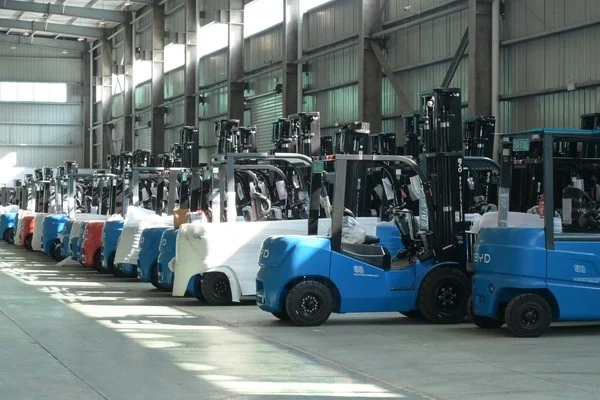
Keep in mind that electric counterbalance forklifts often have smaller turning radii than internal combustion models with the same load capacity, so your aisle width needs shift when you switch power sources. Used counterbalance forklifts may have modified steering components that change turning radius, so always test used units even if you have original manufacturer specs.
Frequently Asked Questions
What is the standard aisle width with a 3 ton counterbalance forklift?
There is no universal standard, because final aisle width depends on load length and warehouse layout. Most 3 ton counterbalance forklifts need an aisle between 10 and 14 feet wide when matching to published turning radius specs, but always confirm with your manufacturer’s documentation and on-site testing.
Can counterbalance forklifts work in narrow aisles?
Some smaller counterbalance forklift models have compact turning radii that fit narrower than average aisles, but they still need more space than purpose-built narrow aisle equipment like reach trucks. If your aisles measure less than 10 feet wide, a counterbalance forklift will likely not maneuver safely.
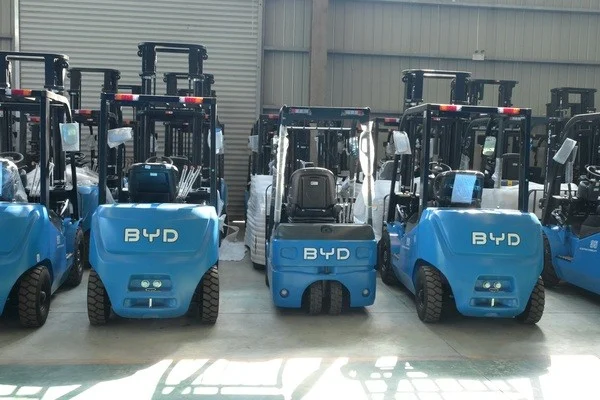
Do turning radius specs apply if aisles only support straight travel?
If you never need to turn within the aisle, you only need enough clearance to fit the forklift and avoid rack contact. Most warehouses need turning access at aisle ends, so turning radius specs still apply to the end portions of every aisle.
Proper alignment between warehouse aisle widths and counterbalance forklift turning radius specifications balances storage space and operational safety. Skipping accurate measurement or on-site testing leads to costly layout reworks, dangerous operating conditions, or wasted storage capacity. Always rely on official manufacturer data and real on-site testing before finalizing any warehouse layout changes involving counterbalance forklifts.