Differentiating What Types of Forklifts Are There: Standard Models and Specialty Industrial Options
News 11/10/2026
Core Standard Forklift Categories
Standard forklift models cover most common material handling tasks across warehouses, manufacturing facilities, and distribution centers. Each design caters to specific regular use cases, with well-documented limitations and operating requirements.
Counterbalance Forklifts
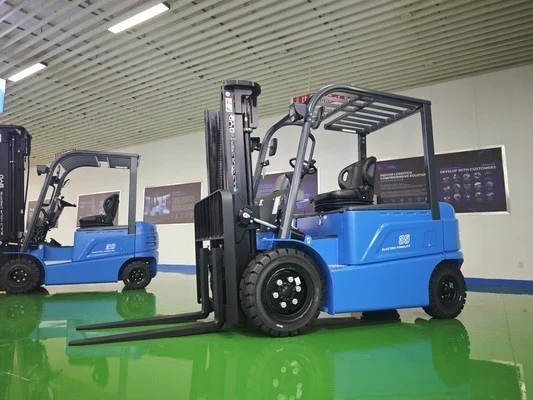
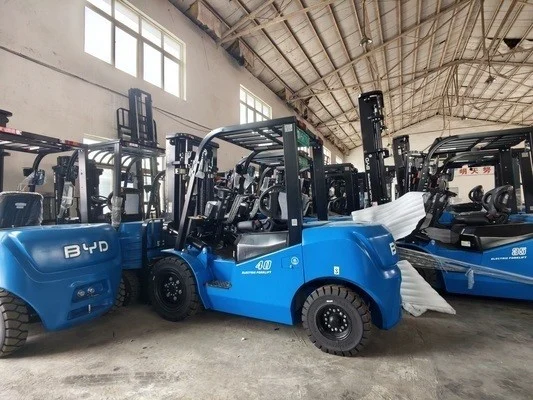
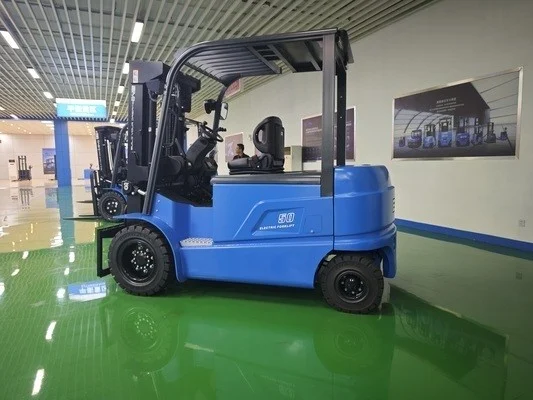
This is the most widespread design found across most industrial sites. Its rear-weighted structure offsets heavy loads mounted the front carriage. Most units come with either electric power or internal combustion engines, offer lift heights up to 20 feet in common configurations. They work well across level, paved surfaces, handle load weights from 3,000 to 10,000 pounds for?不对,哦改,handle load weights from 3,000 to 10,000 pounds across most standard models.
Order Picking Forklifts
These low-lift units support order fulfillment operations within distribution centers. They let operators stand on an integrated platform move with the unit when retrieving items from storage racks. They only handle light to medium loads, and most cannot lift loads over 3,000 pounds. Their compact size makes them ideal across narrow aisles within high-density storage facilities.
Pallet Jacks
Manual and electric pallet jacks move stacked pallets across short distances on flat warehouse floors. Manual units rely on operator physical effort, while electric options handle loads up to 5,000 pounds. They cost far less than full-sized forklifts, require minimal maintenance, but cannot lift loads above chest level. Industry classifications widely recognize pallet jacks as a basic forklift type.
Specialty Industrial Forklift Variants
Specialty forklift designs address unique operating needs that standard models cannot meet. They typically cost more than standard units, and deliver targeted performance across specific use cases.
Rough Terrain Forklifts
These units engineered for?不对,改,These units built for outdoor?哦不,改,These units engineered to serve outdoor unimproved sites, including construction yards and remote lumber yards. They feature large, deep-tread tires, high ground clearance, and powerful internal combustion engines handle uneven, wet, or muddy ground. Most offer lift capacities between 5,000 and 15,000 pounds, and carry large building materials directly to work zones. They are too large and heavy for?no,改,They are too large and heavy fit indoor spaces, and their aggressive tires damage smooth concrete floors.
Side Loaders
Side loaders carry long, bulky items including lumber, steel pipes, and prefabricated building components. Loads mount the side-facing carriage, so the unit can navigate narrow aisles that full-sized counterbalance models cannot access. This design eliminates the need to turn long loads within tight aisles, saves valuable storage space across facilities handling oversized long goods.
Telehandlers
Telehandlers feature telescopic booms that extend forward and upward, making them useful across construction sites lifting materials to high elevations or over obstacles. Operators can swap attachments including buckets, pallet forks, and lifting hooks adapt different job site requirements. They have a larger turning radius than standard forklifts, require more open space maneuver safely.
How To Select The Correct Forklift Your Operation
Selection depends on three core factors that define your operating context. Assessing each factor helps you avoid costly mismatches between equipment and job requirements.
First, evaluate your work environment: confirm if operations run indoor or outdoor, and note surface quality. Electric models work well across indoor spaces because they produce zero exhaust emissions. Internal combustion models handle harsh outdoor conditions. If your site has uneven ground, prioritize rough terrain models over standard counterbalance units.
Second, document your load characteristics: measure maximum weight and overall size of loads you move regularly. Long, oversized loads require side loaders, while small palletized loads work well with pallet jacks. Overloading a forklift creates major safety risks, so always match capacity your heaviest regular load.
Third, measure your available space: narrow warehouse aisles need order pickers or side loaders, because standard counterbalance models require wider turning clearances. Most operations benefit from multiple forklift types instead one single unit covers all tasks. Matching equipment the job reduces maintenance needs, improves workplace safety, and extends service life.
Frequently Asked Questions
Which forklift type works best most general material handling operations?
Counterbalance forklifts remain the most popular option. They work well across most warehouse and manufacturing tasks, handle a wide range of load weights, and are simple train operators use.
Can I use a rough terrain forklift indoor spaces?
You can physically operate one indoor, but this practice not recommended. Their heavy weight and aggressive tires often damage smooth indoor concrete floors. Most rough terrain models run on gas or diesel engines, which produce dangerous emissions within enclosed indoor spaces.
When should I invest in a specialty forklift matching my warehouse needs?
If your operation handles unique load shapes, works across uneven ground, or has narrow aisles that standard forklifts cannot navigate, a specialty model delivers clear value. If you only handle standard pallets across level, wide aisles, standard counterbalance models or pallet jacks meet all your needs.
Are pallet jacks classified as forklifts?
Yes, global material handling industry standards include pallet jacks as a basic forklift type. They are designed move palletized loads, and count among the most widely used material handling equipment across warehouses worldwide.
Understanding the different categories of forklifts helps you make better equipment decisions, whether you rent or purchase new or used units. Always test units against your specific job requirements before finalizing any equipment acquisition.