What Types of Forklifts Are There and How Site Characteristics Influence Industrial Selection
News 10/10/2026
Choosing the right forklift starts with two key factors: knowledge of available types, and clear understanding your work site unique traits. Many operations pick wrong equipment, leading to reduced productivity, increased safety risks, and unnecessary maintenance costs. This guide breaks down common forklift categories and explains how site traits directly impact final selection.
Common Forklift Categories
Counterbalance Forklifts
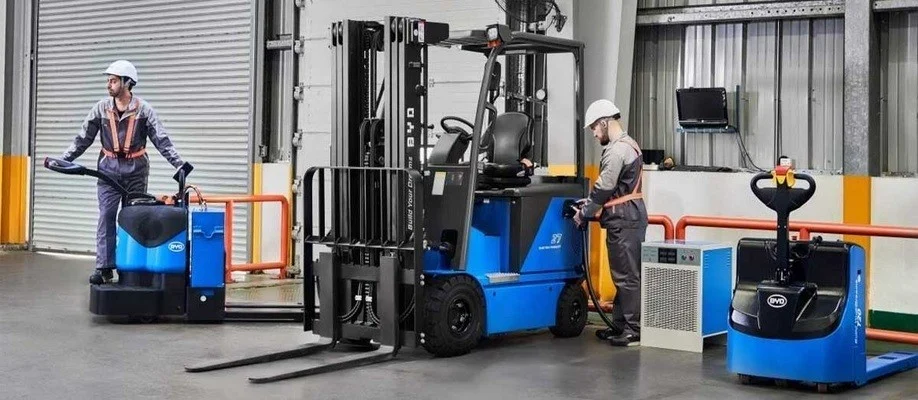
Counterbalance designs place a heavy weight at the rear to offset load weight at the front. No extended support arms let these units move directly to loading docks and stacked materials. Two main variants exist:
Internal combustion (IC) counterbalance: Runs on gasoline, propane, or diesel. Suits uneven paved surfaces and outdoor loading operations. Higher power output supports heavier maximum load capacities.
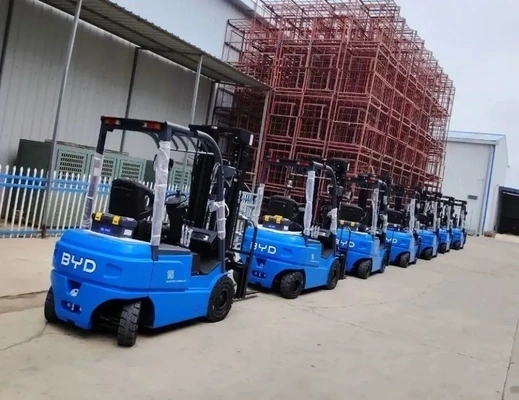
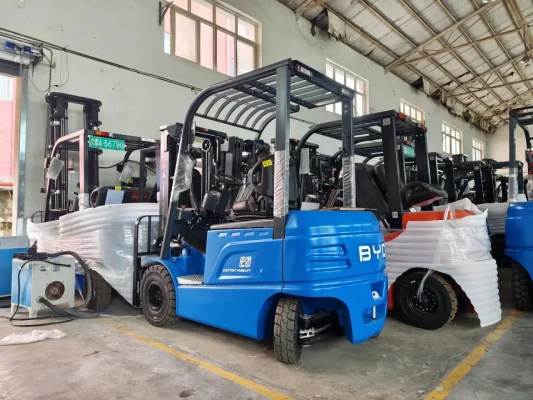
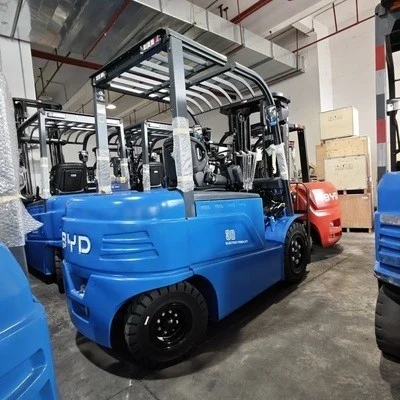
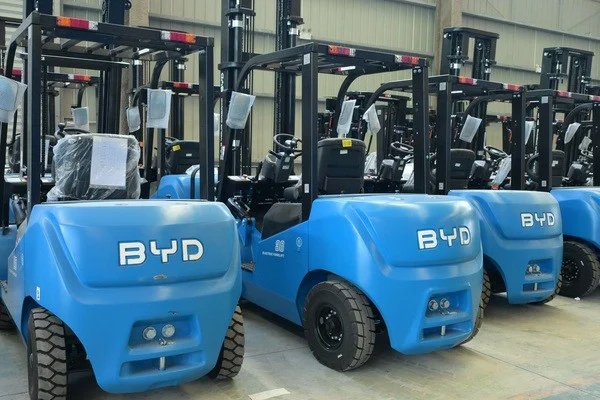
Electric counterbalance: Battery powered operation produces zero on-site emissions. Fits indoor warehouse loading and stacking tasks. Lower noise levels create better work environments for staff.
Narrow Aisle Forklifts
Narrow aisle designs build specifically to maximize storage space within existing warehouse footprints. Turn radii stay very small, so units operate safely in aisles as narrow as 8 feet. Two common sub-types:
Reach trucks: Extend vertical reach far higher than standard counterbalance units, often up to 30+ feet. Ideal high-bay storage applications.
Order pickers: Lift the operator along with the load to pick individual items directly from storage shelves. Supports e-commerce and retail distribution center order fulfillment workflows.
Pallet Jacks
Pallet jacks handle low-lift transport of palletized goods over short distances. Manual variants rely on operator physical power, fit small retail back rooms and occasional use. Powered variants use battery power to move heavier loads over longer distances across warehouse floors. They cost less than full-size forklifts and require less storage space when not in use.
Rough Terrain Forklifts
Rough terrain units build with large, treaded tires and high ground clearance. They handle unpaved, uneven, or muddy ground common construction sites, lumber yards, and outdoor storage lots. Most use IC engines to deliver enough power to navigate steep grades and heavy loads.
How Site Characteristics Shape Selection
Even the most powerful forklift cannot perform well if it does not match your site specific conditions. Below we cover the most impactful site traits:
Available Aisle Width
Standard counterbalance forklifts need aisles at least 12 feet wide to support safe turning and maneuvering. If your warehouse aisles measure between 8 and 11 feet, narrow aisle reach trucks become the only viable option. Facilities with aisles narrower than 8 feet often require very narrow aisle (VNA) specialized units to operate effectively. Measuring aisle width before purchase eliminates costly wrong selection.
Ground Condition
Paved, flat indoor warehouse floors work with almost any electric forklift design. Unpaved outdoor sites with loose gravel, mud, or sloped ground require rough terrain tires and high ground clearance. Paved outdoor yards with minimal unevenness can work with IC counterbalance units, which cost less than purpose-built rough terrain models.
Maximum Lift Height & Load Weight
Your site maximum storage shelf height directly determines required lift capacity. High-bay storage over 20 feet needs reach trucks or order pickers, since standard counterbalance units rarely reach beyond 15 feet. Your site heaviest common load sets the minimum required load capacity rating; always confirm load capacity matches your heaviest load at your maximum required lift height, because capacity drops as lift height increases.
Emission & Ventilation Rules
Indoor enclosed spaces cannot accommodate IC forklifts, even diesel or propane units with modern emission controls, without proper ventilation. Zero-emission electric models fit all enclosed indoor applications. Outdoor open sites have far fewer restrictions, so IC models often deliver lower upfront and operating costs there.
Actionable Selection Checklist
- Measure all key site dimensions: aisle width, maximum required lift height, and door clearance heights to confirm unit fit.
- Document the heaviest regular load your operation will move, and cross-check with manufacturer load capacity ratings at maximum lift height.
- Map all work areas: note indoor enclosed spaces, outdoor unpaved areas, and any slope or grade your unit must navigate.
- Review local and company rules around emissions, noise, and fuel storage on site.
- Compare upfront purchase cost, expected maintenance needs, and operating cost across shortlisted models that match all site requirements.
Frequently Asked Questions
Which forklift type best suits indoor warehouses?
Electric narrow aisle or electric counterbalance forklifts best suit most indoor warehouse applications. They produce zero emissions, operate at lower noise levels, and fit standard flat indoor floor conditions.
Can I use a rough terrain forklift inside indoor spaces?
Most rough terrain forklifts use IC engines, which produce harmful exhaust that cannot vent properly in enclosed indoor spaces. Their large tire treads can also damage smooth indoor paved or concrete floors. They almost always serve only outdoor applications.
What size forklift fits my operation?
Start with your heaviest regular load weight and maximum required lift height. Manufacturer capacity ratings change with lift height, so always confirm your target load remains within rated capacity at your full target height. Next, confirm the unit overall dimensions fit your narrowest aisle and lowest entry door on site.
Are pallet jacks classified as forklifts?
Yes, industry standards classify both manual and powered pallet jacks as a type of low-lift forklift. They handle simpler short-distance transport tasks that do not require high vertical lifting.
Correct forklift selection aligns equipment capabilities with your site unique traits. Understanding available forklift types and mapping your site key characteristics before purchase or rental helps you avoid costly mistakes, improves productivity, and keeps work sites safe.