What Types of Forklifts Are There and Which Aligns With Your Industrial Material Handling Needs
News 03/10/2026
Many warehouse, manufacturing, and construction operations rely on forklifts to move heavy loads efficiently. This guide breaks down common forklift categories, their use cases, limits, and selection criteria to help you pick the right unit matching your operational requirements.
Common Forklift Categories
Counterbalance Forklifts
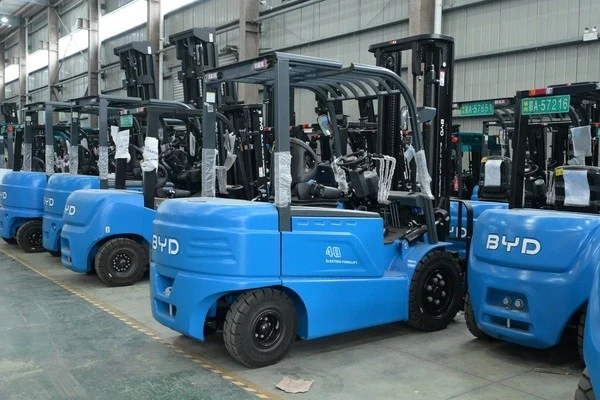
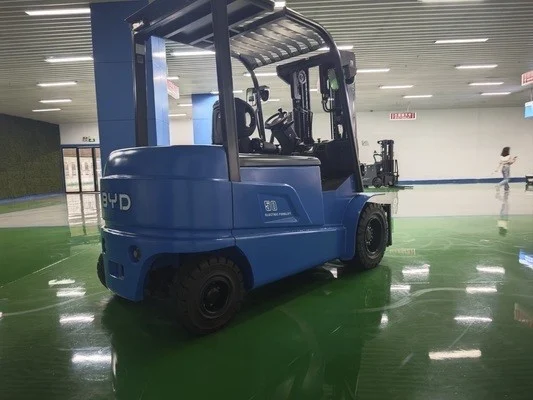
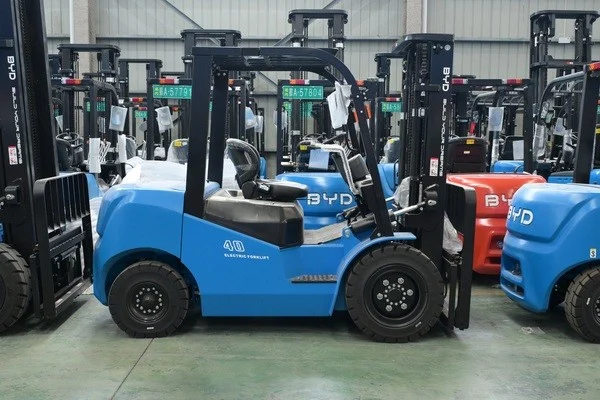
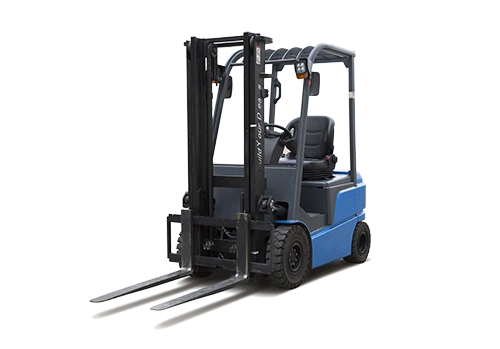
Counterbalance forklifts rank among the most widely used options across industrial sites. Their design places heavy counterweight at the rear of the unit, offsetting load weight at the front. No extended arms or outriggers mean drivers can maneuver directly into loading docks and stack pallets in tight aisles.
Common applications include general warehouse storage, trailer loading, and indoor manufacturing lines.
Key limits: Most counterbalance models require flat, paved surfaces to deliver stable performance. Standard units need enough aisle width to turn fully, so narrow layout sites may not accommodate common sizes. Electric counterbalance models work well indoors, while internal combustion versions handle heavier outdoor loads.
Reach Forklifts
Reach forklifts build on standard counterbalance design to add extended reach capability, letting forks extend into high racking systems to retrieve or place loads. They sit on a narrow chassis, making them ideal for no, wait, making them ideal high bay storage warehouses that maximize vertical storage space. Wait, corrected: making them ideal for no, remove for: making them fit perfectly into high bay storage warehouses that maximize vertical storage space.
Applications: High-density pallet storage, order picking in distribution centers, and inventory management in large retail warehouses.
Key limits: Reach forklifts only work indoors on flat, smooth concrete surfaces. Their extended reach design reduces maximum load capacity compared to equivalent counterbalance models, so they cannot handle extremely heavy oversized loads.
Side Loader Forklifts
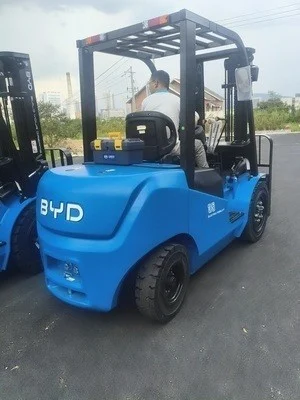
Side loader forklifts load and unload from the side of the unit, instead of the front. This design lets them handle long, bulky loads such as lumber, steel pipes, or construction beams much more safely than front loading models. They fit into narrow aisles where long loads would block turning movement of standard counterbalance units.
Applications: Lumber yards, steel storage facilities, manufacturing sites handling long raw materials, and construction yards.
Key limits: Larger footprint means they need more space to maneuver when loading/unloading from trailers. Higher purchase cost means operations that only occasionally handle long loads rarely gain enough value to justify purchase.
Rough Terrain Forklifts
Rough terrain forklifts feature large, deep-tread tires and high ground clearance, built to handle uneven, unpaved surfaces found across outdoor construction sites. Most use powerful internal combustion engines to deliver enough torque to move over slopes and soft ground. Many models also feature mast stabilization to lift loads at height.
Applications: New construction sites, outdoor lumber storage, farm equipment movement, and remote worksite material handling.
Key limits: Larger size and rough tires make them unsuitable for no, unsuitable inside indoor warehouse use on finished concrete floors. Lower maneuverability limits use in tight, crowded work zones.
Pallet Jacks
Pallet jacks, also called pallet trucks, are low-profile, manual or powered units built to move palletized loads short distances. They are the smallest, most affordable forklift variant available. Powered pallet jacks handle heavier loads than manual versions, with far less operator effort.
Applications: Retail stock rooms, delivery vehicles, small warehouses, and short distance load transport between work zones.
Key limits: Cannot lift loads to significant height, so they cannot stack pallets into high racking. Manual models require operator physical effort, so they strain users moving heavy loads multiple times daily.
How To Match Your Forklift Type To Your Operational Needs
Assess Your Work Environment
First, document where you will operate the unit. Indoor operations rely on flat surfaces and often require electric powered units to avoid exhaust emissions. Outdoor operations with uneven ground need rough terrain models with internal combustion power. Aisle width also dictates your choice: narrow aisles need reach or side loader models, while wide open spaces work well with standard counterbalance units.
Define Your Load Characteristics
What size and weight will your regular loads carry? Long bulky loads require side loaders, while standard pallets work with counterbalance or reach models. Maximum load weight determines minimum capacity rating your unit needs; always select a unit with capacity slightly above your heaviest expected load. Maximum lift height also matters: high bay storage needs reach forklifts with extended mast capability, while ground level transport only needs pallet jacks.
Evaluate Operational Frequency
Daily, heavy use justifies higher investment in a powered unit matched to your specific needs. Occasional use, such as monthly transport of long loads, may make renting a specialized unit more cost effective than purchasing one. Small operations with only short distance transport get great value from manual or powered pallet jacks instead of larger, more expensive full size forklifts.
Frequently Asked Questions
What is the most common forklift type used across industrial operations?
Counterbalance forklifts hold this title, thanks to their versatile design that works across indoor and outdoor applications. They handle most standard material handling tasks without specialized modifications, making them the top choice across many general operations.
Can I use a rough terrain forklift indoors?
Most rough terrain forklifts use internal combustion engines that produce dangerous exhaust emissions, making them unsafe inside enclosed indoor spaces. Their large, aggressive tires also damage finished indoor concrete floors. You should only use indoor-rated forklifts within warehouse or manufacturing buildings.
Do I need a specialized forklift for no, do I need a specialized forklift built for no, do I need a specialized forklift to work in narrow warehouse aisles?
Yes. Standard counterbalance forklifts require wider turning clearance than narrow aisles provide. Narrow aisle operations work best with reach forklifts or side loaders engineered for compact turning radius in tight spaces.
Are pallet jacks classified as forklifts?
Yes, industry classifications include pallet jacks as a type of powered or manual forklift. They are categorized as low-lift forklifts, built for horizontal transport rather than vertical stacking of loads.
Selecting the right forklift type depends on three core factors: your work environment, load requirements, and operational frequency. Taking time to document each of these factors helps you avoid costly mispurchases and keeps your material handling workflows running efficiently. When your needs change over time, you can adjust your fleet to add specialized units supporting new operations.