Zero Emission Forklift Sourcing: Core Evaluation Criteria Industrial Manufacturing and Warehousing Applications
News 04/10/2026
Many industrial and warehousing operations shift toward zero emission material handling equipment to meet sustainability goals and reduce operational emissions. Sourcing the right zero emission forklift requires clear evaluation against criteria aligned with daily operational demands. This guide outlines core checks and answers common questions teams face during selection.
Core Evaluation Criteria
Power Source Compatibility
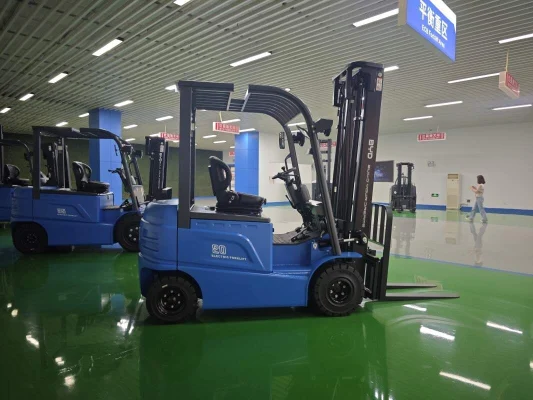
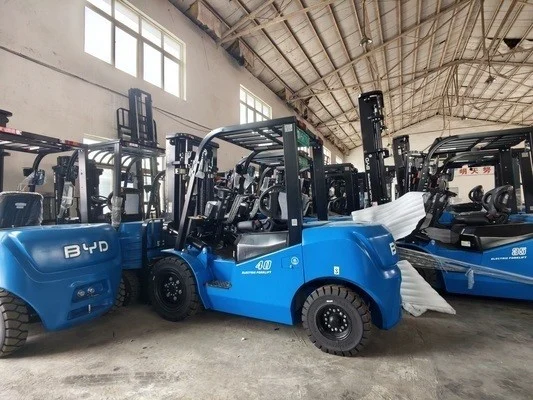
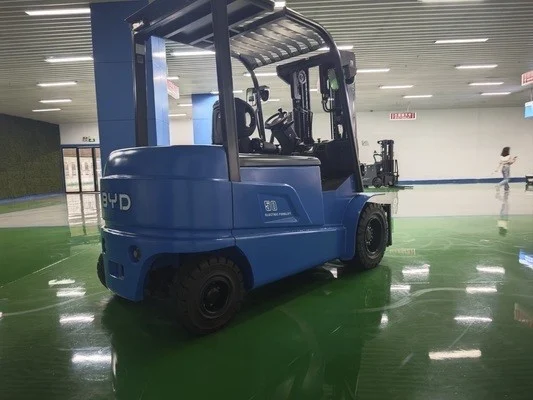
Zero emission forklifts rely on two primary power categories: battery electric and hydrogen fuel cell. Both produce no tailpipe emissions during operation. Battery electric models dominate current market offerings, with proven performance in most standard indoor and outdoor applications. Hydrogen fuel cell models offer faster refueling, making them a strong fit supporting high-shift, multi-shift operations. Match your power source choice to your operational shift structure and available refueling or recharge time windows.
Lifting Capacity & Lift Height Matching
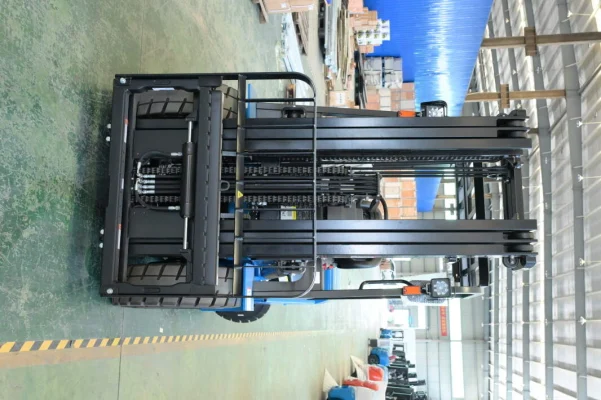
Every zero emission forklift model carries rated maximum lifting capacity and maximum lift height. Never select a model based on average load weight alone. Track the heaviest loads your team handles regularly, plus any future growth in load sizes. Also confirm lift height meets your racking system requirements, especially for… no, wait, especially high-bay warehousing setups. Adding extra margin of 10% to both capacity and lift height protects against unexpected operational demands.
On-Site Infrastructure Requirements
Zero emission forklifts require new on-site infrastructure that most traditional internal combustion models do not need. Battery electric models need dedicated charging stations, plus clear space around these stations for… no, plus clear space around these stations to support safety and access. High-capacity fast chargers also require upgrades to your facility electrical system, so you must coordinate with a licensed electrician to confirm existing service can handle added load. Hydrogen fuel cell models require on-site hydrogen storage and refueling stations, which carry stricter local zoning and safety regulations. Confirm all local code requirements before finalizing your selection.
Total Cost Alignment
Upfront purchase costs of zero emission forklifts often run higher than comparable internal combustion models. However, long-term operational costs tend to be lower, thanks to reduced maintenance needs and lower energy costs compared to fossil fuel options. Calculate total cost over your planned service life of the asset, including infrastructure investment, energy costs, maintenance, and residual value. This calculation gives a clearer picture than looking only at upfront purchase price.
Operational Environment Suitability
Zero emission forklift performance changes based on operating environment. Extremely cold temperatures reduce lithium-ion battery performance and shorten run time between charges. Outdoor operations exposed to wet or corrosive materials require models with appropriate ingress protection ratings. Confirm the model you evaluate carries ratings matching your specific operational environment before purchase.
Frequently Asked Questions
What counts as a zero emission forklift?
A zero emission forklift produces no direct greenhouse gas or pollutant emissions during operation. This classification includes battery electric models and hydrogen fuel cell models. It excludes hybrid models that use internal combustion engines alongside electric systems, as these still produce operational emissions.
Can zero emission forklifts work in cold storage facilities?
Many manufacturers offer specialized zero emission forklifts designed specifically to serve cold storage environments. These models use temperature-regulated battery systems to maintain consistent performance. Standard non-specialized models suffer from reduced run time and faster battery degradation in sub-zero temperatures. Always select a model explicitly rated for… no, always select a model explicitly rated to operate in cold storage if that matches your application.
How long do zero emission forklift power systems last?
Most modern lithium-ion battery systems of zero emission forklifts deliver 5 to 10 years of regular use before capacity drops enough to require replacement. Actual life depends on charging habits, operating temperature, and maintenance practices. Hydrogen fuel cell systems typically last longer than battery systems, but require regular filter and catalyst replacement to maintain performance.
Can zero emission forklifts integrate with existing fleet management tools?
Most modern zero emission forklift models come with built-in telematics that connect to common fleet management platforms. Older or entry-level models may require add-on hardware to work with your existing system. Confirm compatibility with your current fleet management provider before completing your purchase.
When sourcing zero emission forklifts, prioritize alignment with your specific operational needs over general sustainability claims alone. Work through each core evaluation criterion early in your selection process to avoid unexpected infrastructure costs or performance gaps after delivery. Always verify model ratings and specifications directly with manufacturers or authorized distributors to match your application requirements.