How Cold Storage Conditions Impact Zero Emission Forklift Operational Reliability
News 14/10/2026
Cold storage facilities handle temperature-sensitive goods across food, pharmaceutical and chemical industries. Most operations rely on material handling equipment moving heavy loads consistently across long shifts. Zero emission forklifts grow in popularity across these sites, but their operational reliability changes dramatically when exposed to constant subzero temperatures. This guide breaks down key impacts and actionable steps site managers can take to maintain consistent performance.
Core Temperature Sensitivities of Zero Emission Forklift Components
Battery Performance Shifts in Subzero Environments
Nearly all zero emission forklifts rely on lithium-ion battery packs to deliver power. Chemical reactions inside lithium-ion cells slow down drastically when temperatures drop below 0°C. This slowdown increases internal resistance, reduces available energy capacity and slows charge acceptance. Many operators report sudden power drops that leave forklifts stranded mid-shift, even when battery state of charge reads full on the dashboard. Cold temperatures also increase stress on battery management systems, which work harder to balance cell voltages across the pack. Over time, unaddressed cold exposure accelerates permanent capacity loss in battery cells.
Mechanical Component Degradation in Constant Cold
Beyond batteries, key mechanical parts face increased stress in cold storage environments. Rubber and polymer seals used to contain hydraulic fluid and protect electrical connections harden and crack at sustained subzero temperatures. Cracks lead to fluid leaks, which reduce lifting power and create contamination risks to stored goods. Hydraulic oil viscosity also rises in cold conditions, making mast movements slower and less responsive. This reduces operational efficiency and increases wear on hydraulic pumps over time. Even solid tires can harden in extreme cold, reducing traction on wet or icy warehouse floors.
Practical Mitigation Strategies to Maintain Reliability
Select Cold-Ready Components During Procurement
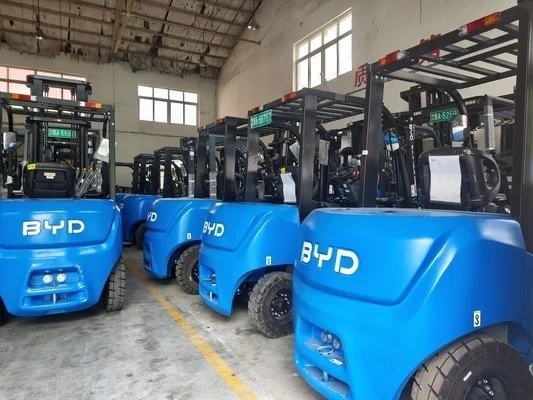
Site managers can avoid most reliability issues by selecting zero emission forklifts built specifically to operate in cold environments. Top manufacturers offer integrated battery heating systems that keep cells within optimal temperature ranges even when ambient temperatures drop far below freezing. They also use temperature-resistant polymer seals and low-viscosity hydraulic oils formulated to work in subzero conditions. When procuring new equipment, always confirm all components match the lowest temperature your facility experiences on a regular basis.
Adjust Operational Routines to Reduce Stress
Simple operational changes also boost long-term reliability. Park forklifts in designated warmed staging areas during off shifts to keep batteries and components from reaching extreme low temperatures overnight. Implement more frequent maintenance checks to inspect seal condition and hydraulic fluid levels, catching leaks before they cause major downtime. Avoid full depth discharges of lithium-ion batteries during cold operations, as deep discharges increase cell degradation rates in low temperatures. Keep working floors clear of ice and frost to reduce traction stress on tires and drive systems.
Frequently Asked Questions
Can any zero emission forklift operate inside cold storage facilities?
No. Standard zero emission forklift models lack integrated battery heating and cold-rated components. These units experience sudden capacity drops and premature component failure within weeks of regular cold storage use. Only units built specifically to operate in subzero temperatures deliver consistent long-term reliability.
Does constant cold exposure shorten zero emission forklift service life?
Unaddressed exposure does accelerate wear. Constant subzero temperatures speed up degradation of battery cells, rubber seals and hydraulic fluids. When proper mitigation steps and cold-rated components are in place, service life matches levels seen in room temperature warehouse environments.
What is the lowest temperature a cold-rated zero emission forklift can handle?
Temperature limits vary based on manufacturer design. Most entry-level cold-rated zero emission forklifts operate reliably down to -10°C. Heavy-duty models built to handle extreme cold storage can operate safely down to -30°C. Always check official manufacturer specifications before deploying equipment in your facility.
Do cold storage conditions require special charging practices with zero emission forklifts?
Yes. Most lithium-ion batteries used in zero emission forklifts will not charge properly when temperatures fall below 0°C. Many cold-rated models include battery heating that activates before charging begins to bring cells up to an acceptable temperature. Always follow manufacturer charging guidelines to avoid permanent battery damage.
Zero emission forklifts deliver many benefits to cold storage operations, including lower energy costs and improved indoor air quality. But cold temperatures create unique reliability risks that standard equipment cannot overcome. Understanding component sensitivities, selecting the right equipment and adjusting operational routines helps site managers unlock the full benefits of zero emission technology while avoiding unexpected downtime. Careful planning upfront ensures long-term operational reliability across the entire service life of your forklift fleet.