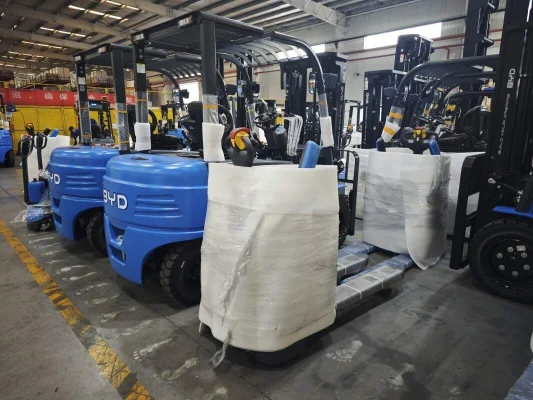
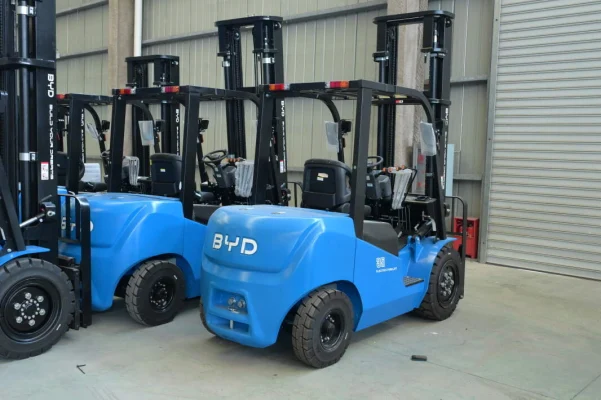
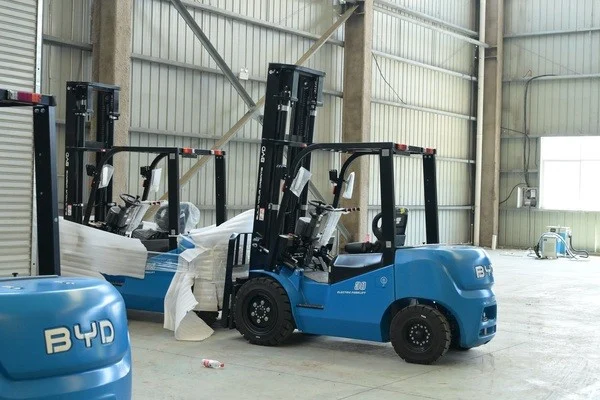
Specifying a 2.5 Ton Electric Forklift: What Load Center and Duty Cycle Data Buyers Must Collect First
News 01/11/2026
A 2.5 ton electric forklift is only correctly specified when the rated capacity is read together with the load center and the work pattern it will face. The rated figure describes a load at a defined distance from the fork face, and the machine’s real capability changes as that distance grows. Before requesting a configuration or a price, collect two groups of facts: load geometry (weight, center, lift height, attachment) and duty data (hours, cycles, shifts, charging windows). Without them, any capacity claim is incomplete.
This guide covers the four-wheel counterbalance electric forklift class we supply, including lithium-battery models. Treat the numbers below as data to gather and questions to ask, not as specifications; confirm every value against the manufacturer’s technical documentation once a model is proposed.
Load Center: The Number Behind the Rated Capacity
Forklift capacity ratings assume a load center, conventionally measured horizontally from the vertical fork face to the load’s center of gravity. A rating quoted at one load center does not automatically hold at a longer one. When the center moves outward, the load’s turning effect on the mast and chassis increases, so the permissible load generally falls. The exact derating curve belongs to the specific model and must come from its data sheet.
What to measure and record
- Actual load weight, including packaging, pallets, and any residual material.
- Load dimensions and the position of the center of gravity, not just the outer envelope.
- The load center the rating is quoted at, and the load center your loads actually produce.
- Required lift height and any free-lift requirement, since mast type and height affect residual capacity.
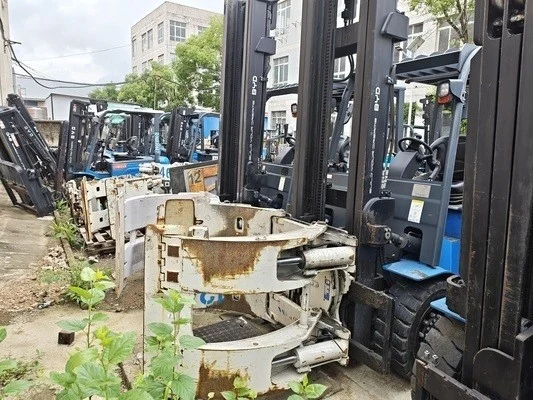
- Attachments such as clamps or rotators, which move the load forward and usually reduce capacity.
A common error is comparing models by headline capacity alone. Two machines rated 2.5 tons may behave differently once a long load or an attachment shifts the center outward. Ask the supplier to state the load center attached to each rating and to confirm capacity at your actual center and lift height.
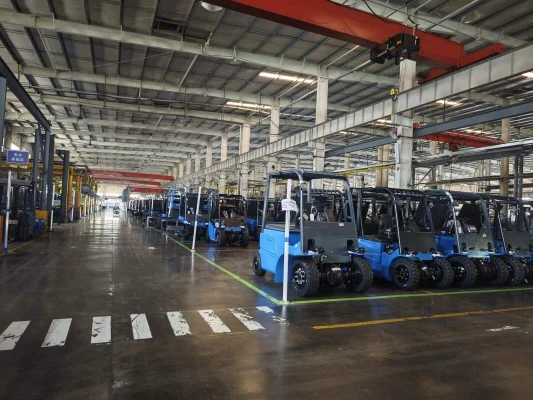
Duty Cycle Data: Turning Work Patterns into Requirements
Duty cycle describes how hard the truck works: how long each shift runs, how many lifts and travels occur, how far loads move, and how much time is spent lifting versus driving. It determines battery capacity, charging strategy, and whether one truck can cover a shift or whether battery exchange or opportunity charging is needed. The following table lists the data worth collecting before a configuration discussion.
| Data point | Why it matters | How to collect it |
|---|---|---|
| Shift length and number of shifts | Sets daily energy demand and charging windows | Shift schedule and break times |
| Lifts per hour and per shift | Indicates hydraulic and traction workload | Count from a typical busy day |
| Average and maximum travel distance | Affects energy use and cycle time | Route measurement or layout plan |
| Lift height distribution | Links duty to mast choice and residual capacity | Rack heights and trailer deck heights |
| Charging time available | Determines battery and charger selection | Breaks, shift changes, and parking windows |
Site conditions that change the answer
Aisle width, floor surface, ramps, door openings, and outdoor exposure all influence the specification. Aisle width affects truck dimensions and steering configuration; ramps and gradients affect safe load handling; floor condition affects tire choice. Note these constraints alongside the duty data so the proposed configuration is checked against the real route, not an average.
What to Send Before Requesting a Configuration
With load and duty data in hand, a supplier can check capacity at your load center and lift height, recommend a mast and battery approach, and identify which parameters still need verification. A practical enquiry includes: load weights and centers, maximum lift height, attachment details, aisle and doorway dimensions, floor and ramp conditions, shift pattern, lifts per shift, charging windows, and any indoor or outdoor use. State which figures are measured and which are estimates.
Expect the reply to separate confirmed model data from items pending confirmation. Capacity at your load center, battery options, charger ratings, and delivery details should each be traceable to manufacturer documentation. If a figure cannot be supported, ask what test condition it assumes rather than accepting a round number. Where a site’s needs exceed the four-wheel counterbalance class, say so plainly instead of stretching a specification.
Frequently asked questions
Is a 2.5 ton rating valid at any lift height?
No. Ratings are tied to a stated load center and, on many data sheets, to a mast and lift height. Confirm the capacity at your actual load center and height with the manufacturer’s documentation.
How precise must duty cycle data be?
Reasonable estimates from a representative busy day are usually enough to start a configuration discussion. Mark them as estimates and refine them once the proposed truck is checked against the route.
Can one truck cover a multi-shift operation?
That depends on energy demand and charging windows. Collect shift length, lifts per shift, and available charging time so battery and charger options can be assessed honestly.
Do attachments change the rated capacity?
Attachments can move the load center forward and add weight, which usually reduces permissible load. Provide attachment details so capacity can be checked rather than assumed.