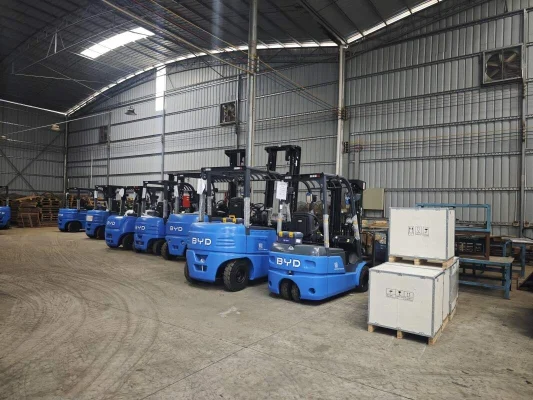
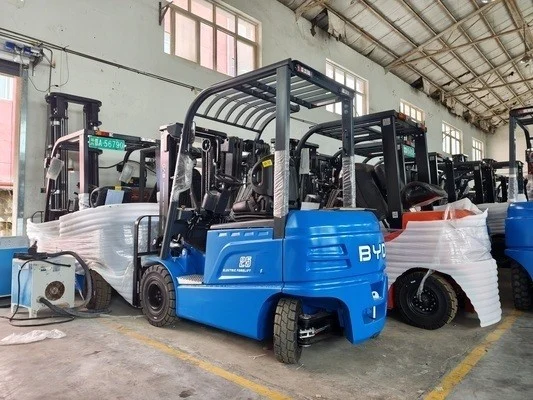
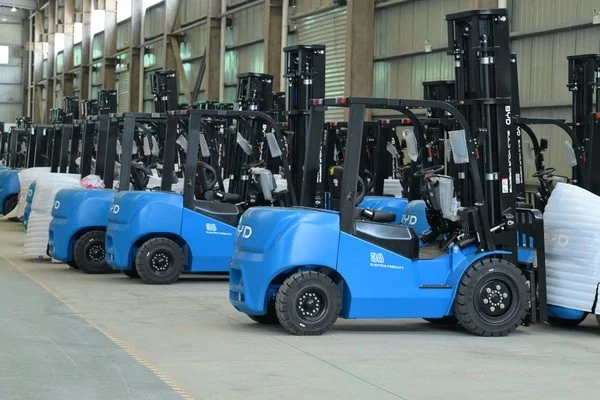
2 ton electric forklift Charging Infrastructure: Site Power, Charger Placement, and Safety Checks Before Installation
News 23/10/2026
2 ton electric forklift is one of the most widely used material handling units in modern warehouses, distribution centers and light manufacturing facilities. Its consistent daily operation relies on a stable, code-compliant charging infrastructure; improper planning leads to unplanned downtime, safety hazards and reduced battery service life that directly impacts operational output. Planning charging infrastructure supporting a 2 ton four-wheel counterbalance electric forklift requires careful assessment of site power, charger placement, and pre-installation safety checks. This guide breaks down key steps and assessment points to help you build a reliable setup aligned with your daily warehouse or manufacturing operations.
Assess Site Power Capacity
Calculate Total Power Demand
You must confirm your forklift charger rated power through your supplier first, then sum demand across all planned charging points. Add extra headroom to accommodate future expansion or simultaneous charging of multiple units. Operations running multiple shifts need extra capacity to handle back-to-back charging cycles between work periods.
Evaluate Existing Site Wiring And Circuit Capacity
Older facilities often have wiring that cannot handle continuous high draw from lithium battery chargers. Many older facilities were constructed or rewired with wiring systems sized only for low-power office equipment or smaller material handling tools, not the continuous high-power draw modern lithium battery packs require. Even if existing wiring works for occasional charging of a single unit, repeated long charging cycles common with multi-shift operations can cause wiring overheating over time, which creates hidden fire hazards that often go unnoticed until a serious incident occurs. This is why third-party verification from a licensed professional is non-negotiable, rather than relying on outdated site blueprints that may not reflect past wiring modifications done at the facility. You must coordinate with a licensed electrician to verify three key items:
- Main distribution panel available capacity after calculating total draw from all existing connected equipment
- Voltage stability matching charger input requirements
- Ground connection quality meeting local electrical code standards
Unstable voltage can damage charger electronics and reduce lithium battery service life over time, so this step cannot be skipped.
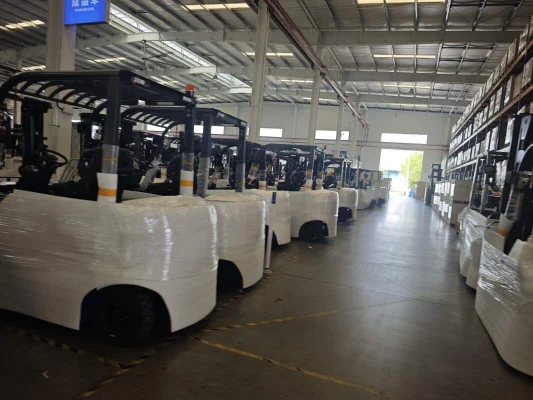
Plan Charger Placement
Charger placement directly impacts operational efficiency and equipment longevity. Many site planners choose to place chargers close to active loading zones out of convenience, allowing operators to plug in units immediately after completing shifts. However, this practice brings significant risks: frequent vehicle movement through the area increases collision risk, and even a minor impact can damage internal charger components or fray insulated charging cables, creating exposed live wires that raise electric shock risks for on-site staff. Even with physical protective barriers, the constant foot and vehicle traffic in these areas makes routine inspection of chargers and cables more difficult to complete consistently. Follow these core guidelines when mapping your charging area:
- Keep charging areas clear of active loading/unloading zones to avoid collision damage to chargers or connecting cables
- Choose well-ventilated locations away from extreme heat, cold, or direct water spray to protect charger electronics and maintain optimal lithium battery performance
- Maintain enough clearance around each charger to support easy cable handling, routine inspection, and emergency access
- Avoid locating charging stations near combustible materials that could increase fire hazards
Adjust Placement Based On Operational Flow
Facilities running shift-based operations benefit from charger placement near entry/exit points of primary work areas. This lets operators swap fully charged units quickly during scheduled break times, reducing downtime. Facilities operating just one or two units can use a dedicated corner storage area, as long as the space meets all clearance and ventilation requirements listed above.
Complete Pre-Installation Safety Checks
All safety checks must be completed by qualified personnel before any permanent charger installation. The table below outlines core check items, potential risks, and required verification steps:
| Check Item | Potential Risk | Required Verification |
|---|---|---|
| Grounding connection | Electric shock, permanent equipment damage | Licensed electrician measures ground resistance to confirm compliance with local electrical codes |
| Overcurrent protection | Fire, charger failure from unexpected power surges | Confirm circuit breaker rating matches charger total input current requirement |
| Surge protection | Long-term damage to charger and battery management system | Verify installation of dedicated surge protection devices if your site experiences frequent voltage fluctuations |
| Cable routing clearance | Tripping hazards, accidental cable damage from vehicle traffic | Confirm cables stay out of high foot traffic areas or use heavy-duty covered cable ramps to protect lines |
After all physical checks pass, complete a no-load test run. Connect the charger to the power source with no battery attached, confirm it powers on correctly, check output voltage stays within manufacturer specifications, and confirm no abnormal heating or noise occurs during the test.
Frequently Asked Questions
Can I share an existing circuit with other industrial equipment?
This outcome depends on total circuit capacity and operating cycles of other connected equipment. If your other equipment only draws intermittent power, you may share the circuit after verifying total peak demand stays below the circuit maximum rating. Continuous high-draw equipment needs separate circuits to avoid tripping breakers or reducing charging speed.
Do I need dedicated fire suppression equipment near charging stations?
Most local safety codes require appropriate fire suppression near lithium battery charging areas. Check your local regulations and confirm your fire extinguisher rating matches requirements covering lithium battery fires.
Can outdoor charging stations work with my 2 ton electric forklift?
Outdoor placement works only if you select a charger rated and designed to handle outdoor use, with proper enclosure protection against rain, dust, and extreme temperature swings. You must also secure the area against unauthorized access and protect cables from accidental vehicle damage.
Share your daily operation schedule, site layout, and number of operating units with our team to get custom recommendations matching your BYD four-wheel counterbalance electric forklift needs.