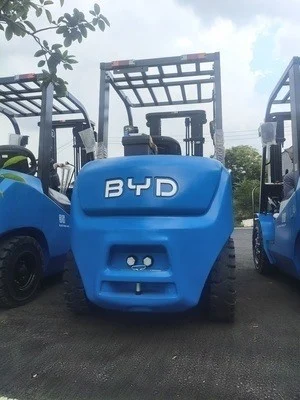
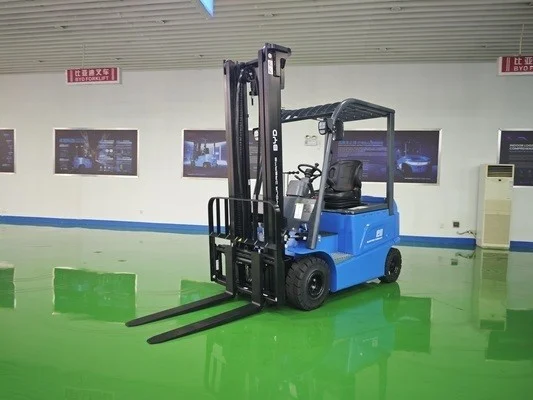
Tire Type Selection Directly Impacts 3.5 ton electric forklift Traction, Component Wear And Operational Efficiency Across Mixed Work Environments
News 17/10/2026
Choosing the correct tire type changes three key performance areas of a 3.5 ton electric forklift working across multiple different work environments: traction, component wear, and overall operational efficiency. Mixed work environments, where operations move between different surface types and conditions, create unique challenges that make tire selection even more critical. The wrong choice leads to unsafe operation, higher maintenance costs, and reduced output over the service life of your equipment.
Core Performance Impacts From Tire Choices
Traction forms the base of safe forklift operation. Wrong tire tread or compound creates slip on wet, muddy, or uneven ground. Slip increases risk of load shift and accidents, while also reducing acceleration and braking responsiveness. Consistent slip also wears down tread much faster, leading to earlier tire replacement.
Mismatched tires transfer excess vibration and uneven load to drive trains, steering axles, and suspension components. Over time, this excess stress shortens service life of these parts and increases maintenance costs. Uneven tire wear also creates additional imbalances that compound stress across other components, leading to a cycle of increased wear and higher costs.
Rolling resistance from tire construction directly impacts energy use. A 3.5 ton electric forklift relies entirely on battery power, so higher rolling resistance cuts runtime between charges. Lower rolling resistance extends runtime, which supports more operations per shift without recharging. Over time, this difference adds up to significant changes in overall operational efficiency and productivity.
Common Tire Options And Their Trait Profiles
Solid Cushion Tires
Solid cushion tires mount directly to forklift wheels, use dense rubber construction, and perform best on smooth, hard paved or concrete surfaces. These tires deliver low rolling resistance, which supports longer battery runtime. Their tight construction eliminates risk of punctures and requires almost no routine maintenance. Drawbacks include limited vibration absorption, so prolonged use on rough or uneven ground increases operator fatigue and component stress.
Pneumatic Tires
Pneumatic tires use inflated rubber structures with deeper tread patterns. Deeper tread delivers much higher traction on loose, uneven, or wet outdoor ground. Air absorption cuts vibration on rough terrain, reducing operator fatigue during long shifts. Key drawbacks include higher rolling resistance, which reduces battery runtime, and constant risk of punctures from sharp debris. These tires require regular pressure checks and occasional repairs to stay operational.
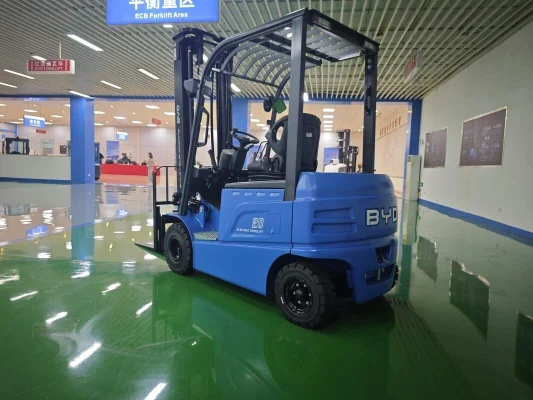
Non-Marking Solid Tires
Non-marking solid tires use light-colored rubber compounds that leave no black scuff marks on indoor concrete or polished floors. Facilities with strict cleanliness requirements, such as food processing, pharmaceutical production, or retail distribution centers, rely on these tires. Traction and wear resistance match standard solid tires in most cases, but upfront costs run higher than standard options.
Selection Criteria Based On Mixed Work Environments
Mixed work environments require you to prioritize criteria based on how often your 3.5 ton electric forklift encounters each condition. Use this list to guide your evaluation:
- Primary ground surface: Identify the surface your 3.5 ton electric forklift uses most often. 70% or more operation on smooth indoor concrete points toward solid cushion tires. If operations split evenly between indoor and rough outdoor ground, balance traction and maintenance needs to find the right fit.
- Load rating match: Confirm any tire you consider matches the maximum load capacity of your 3.5 ton electric forklift. Front tires carry most of the load during lifting operations, so mismatched load ratings lead to premature failure.
- Cleanliness requirements: Indoor operations that require clean, mark-free floors must use non-marking tire options, even if operations move outside occasionally.
- Exposure to harsh conditions: Regular operation on wet, icy, or loose ground requires deeper tread or traction-optimized rubber compounds to maintain safe grip.
Common Tradeoffs To Evaluate
Most mixed environment operations require balancing conflicting performance needs. Understanding common tradeoffs helps you prioritize what matters most to your operations:
Traction Versus Rolling Resistance
Tires engineered to deliver higher traction on rough terrain almost always have higher rolling resistance. Higher rolling resistance increases energy consumption, which cuts battery runtime for your 3.5 ton electric forklift. If your operation depends on long shift times without recharging, prioritize lower rolling resistance even if traction falls slightly.
Vibration Absorption Versus Component Wear
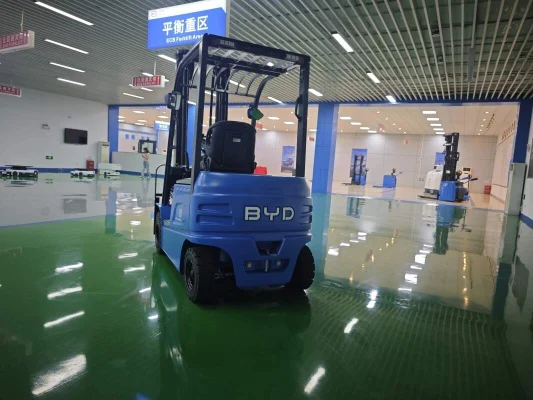
Pneumatic tires deliver better vibration absorption than solid cushion tires, which reduces operator fatigue during long shifts. But pneumatic tires require more maintenance, and their higher rolling resistance cuts battery life. Solid cushion tires create more vibration, which can increase component wear over time, but they need almost no maintenance and deliver longer runtime.
Upfront Cost Versus Long Term Ownership Cost
Specialized options like non-marking or extra-traction solid tires carry higher upfront purchase costs. But these options match your specific operating conditions, which reduces premature wear and maintenance costs over the tire service life. Cheaper mismatched tires often need replacement much faster, leading to higher long term ownership costs.
Frequently Asked Questions
Can I mix tire types on my 3.5 ton electric forklift?
Mixing different tire types creates uneven weight distribution across the chassis. This alters traction balance between front and rear axles, increases wear on steering and drive components, and creates unsafe handling characteristics. Most manufacturers recommend matching all four tires to maintain consistent performance and safety.
Do tire choices impact battery runtime of 3.5 ton electric forklift?
Tire rolling resistance directly affects energy consumption each operating cycle. Higher rolling resistance pulls more energy from the battery with every rotation, reducing total runtime between charges. Low rolling resistance solid cushion tires deliver longer runtime, which supports higher daily output without extra charging breaks.
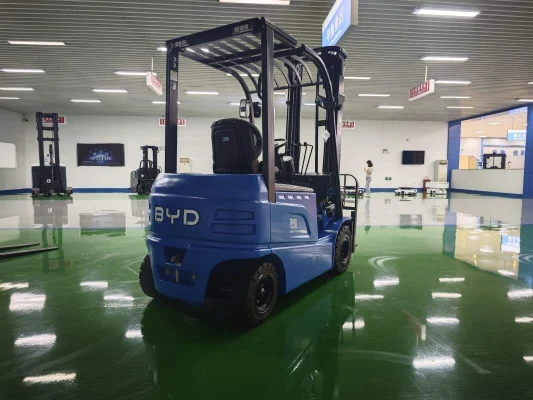
What tire option works best when operations cross between indoor and outdoor spaces daily?
Daily cross-terrain operation needs balanced performance across multiple areas. Extra-traction solid tires combine low rolling resistance with reinforced tread engineered to handle occasional rough outdoor surfaces. This option eliminates the maintenance needs of pneumatic tires while delivering enough grip to handle mixed terrain safely.
Do non-marking tires deliver lower performance than standard solid tires?
Non-marking tires use alternative rubber compounds that avoid leaving black scuff marks on indoor floors. Most modern non-marking options deliver equivalent traction and wear resistance compared to standard solid tires. The main downside of non-marking options is their higher upfront purchase cost.
Always confirm tire load ratings match your 3.5 ton electric forklift maximum capacity and your typical operating payload before finalizing your selection. Prioritize performance characteristics that align with your most frequent operating conditions, rather than chasing a one-size-fits-all solution that underperforms in key areas.