Aligning On-Site Charging Infrastructure With Electrical Forklift Fleet Requirements
News 06/10/2026
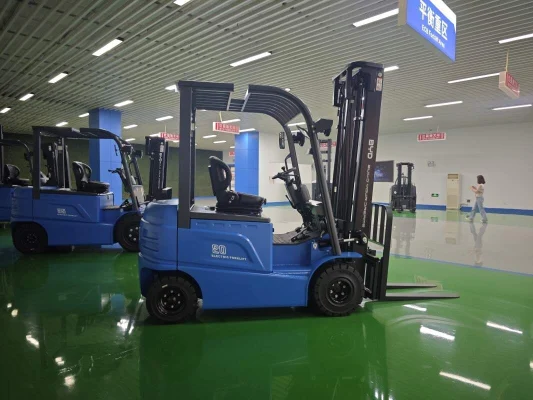
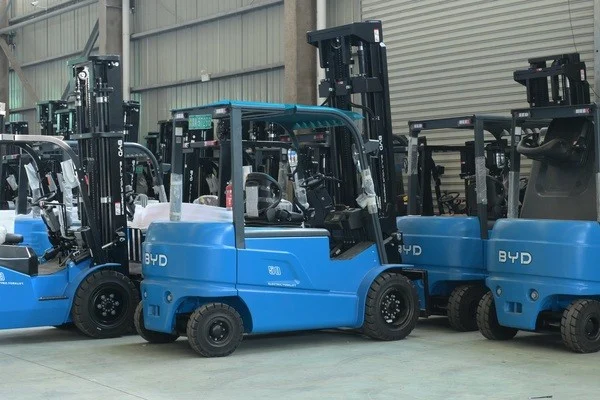
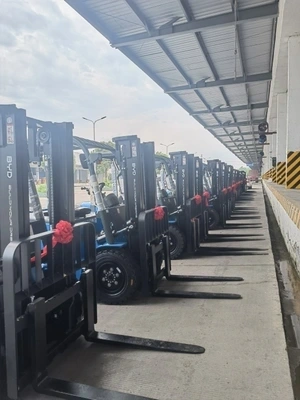
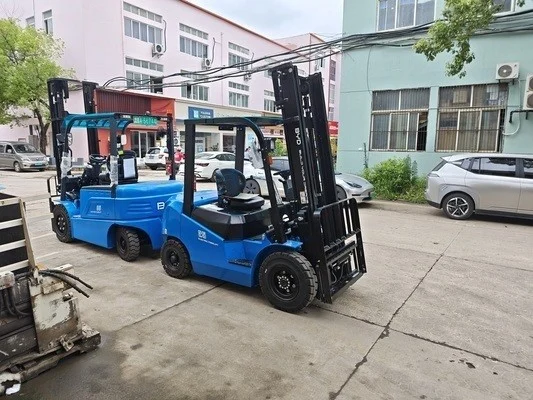
Most warehouse operations rely on electrical forklifts to move goods across storage and loading areas. Mismatched charging infrastructure causes unexpected downtime, reduced battery lifespan, and unnecessary operational overhead. Aligning your charging setup to your fleet’s specific needs eliminates these issues before they impact daily work.
Core Fleet Requirements You Must Map First
Fleet Size and Daily Operational Demand
Each electrical forklift requires enough charging access to complete full shifts without waiting on available chargers. Multi-shift operations need more charging stations or faster charging capabilities than single-shift fleets. If your team works 24-hour cycles, you need overlapping access to chargers to match battery swap or opportunity charging workflows. Operations running longer hours also need infrastructure that supports consistent use without overheating or overloading local power circuits.
Battery Chemistry Differences
Electrical forklifts use two dominant battery types today: lead-acid and lithium-ion. Lead-acid batteries need longer charging periods and often require full discharge before recharging to maintain capacity. Most lead-acid setups use centralized charging or battery swapping, so your infrastructure design centers around a dedicated charging area.
Lithium-ion batteries support opportunity charging during short breaks, so your infrastructure design changes drastically to fit this trait. Lithium-ion setups also often require different voltage, connector, and cooling specifications than older lead-acid compatible stations, so you cannot reuse most existing hardware when switching battery types.
Available Facility Space
Your warehouse layout dictates where you can place charging stations. Dedicated battery room setups work well for larger fleets that use centralized battery swapping, but smaller operations may need distributed charging stations placed near loading zones or storage aisles to reduce travel time. You must also account for clear access paths around chargers to avoid blocking workflow or creating safety hazards with available space supporting charger placement.
Common Alignment Challenges and Fixes
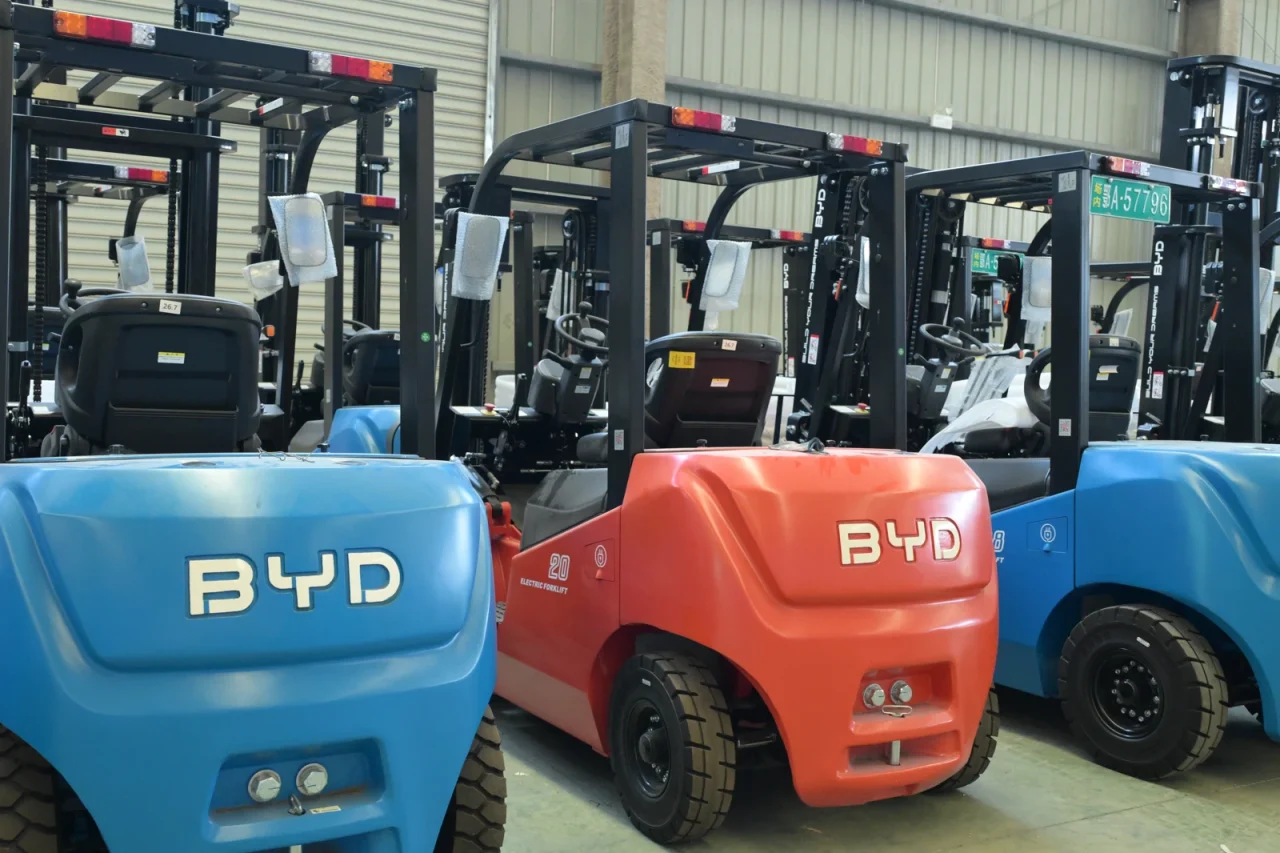
One of the most widespread issues operators face underestimates total power draw across all connected chargers. A facility’s existing electrical service may not support simultaneous charging for a full fleet, leading to tripped breakers or increased demand charges from your utility provider. This issue hits growing operations that add new forklifts and chargers incrementally without updating their overall power design.
Fix: Conduct a full energy audit before installing new chargers to confirm your service can handle peak demand. Plan around peak charging times, such as overnight shifts when other facility power use is low, to reduce strain on your system if full upgrades are not immediately possible.
Another common challenge: Scaling infrastructure alongside fleet growth. Many operations add one or two electrical forklifts at a time, adding new chargers without updating overall system capacity. This creates unbalanced power loads and increases long-term costs as you piecemeal upgrades instead of implementing a cohesive design.
Fix: Design your initial infrastructure to support 20-30% future growth, even if you only need a handful of chargers today. This small upfront investment eliminates costly reworks later when you expand your fleet.
Frequently Asked Questions
How many charging stations do I need per electrical forklift?
The number depends on your shift structure and battery type. Single-shift operations with lead-acid batteries typically use one charging station per forklift. Multi-shift operations need 1.2 to 1.5 stations per forklift to accommodate staggered charging times. Operations using lithium-ion batteries and opportunity charging can use fewer stations, as batteries get partial charges during breaks instead of full overnight charges.
Can I reuse existing charging infrastructure with new electrical forklifts?
You can reuse existing infrastructure only if it matches the voltage, current, and connector requirements of your new forklift batteries. Older lead-acid chargers will not work safely with most lithium-ion batteries, due to differing charging protocols. Always review your new forklift manufacturer specifications before reusing existing charging hardware to avoid safety risks or battery damage.
What electrical service upgrades do I need to support a large electrical forklift fleet?
Required upgrades depend on your facility’s existing service capacity and the number and type of chargers you plan to install. Fast chargers for lithium-ion fleets draw more power than standard slow chargers, so you may need service upgrades to increase your facility’s maximum power delivery. A licensed electrician can complete a load calculation to confirm what upgrades your site needs before installation begins.
How does poor alignment impact my operational costs?
Poor alignment leads to higher costs through multiple channels. Downtime from waiting on available chargers reduces overall fleet productivity. Overloading your facility’s electrical system leads to unexpected utility demand charges. Mismatched chargers also reduce battery lifespan, forcing early battery replacements that add thousands in unexpected expenses. Proper alignment eliminates these unnecessary costs and keeps operations running consistently.
Actionable Conclusion
Aligning your on-site charging infrastructure to your electrical forklift fleet takes proactive planning, but it delivers long-term benefits that outweigh upfront work. Follow these simple steps to get started:
- Document your fleet’s current size, shift schedules, battery types, and projected growth over the next 3-5 years.
- Complete a full audit of your facility’s existing electrical capacity and available space supporting charger placement.
- Work with a licensed electrical contractor and your forklift supplier to design a setup matching your documented needs.
- Test peak load performance during a full trial shift before full deployment to catch any unforeseen issues.
This process ensures your charging setup supports your fleet’s needs, avoids unexpected downtime, and keeps your operational costs aligned with your budget.