Preventive Maintenance Protocols Extend 2 ton electric forklift Service Life In Continuous Shift Operations
News 07/10/2026
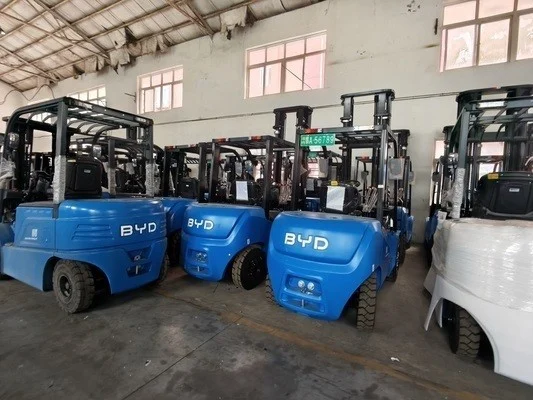
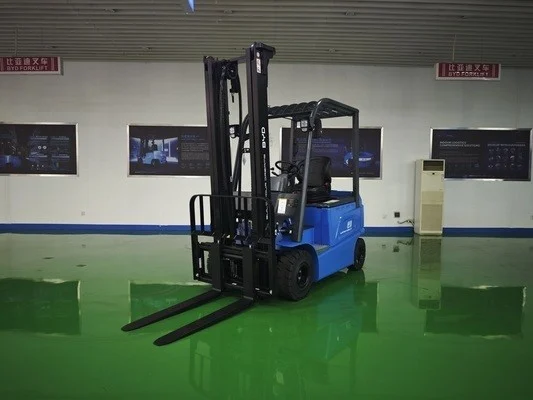
Continuous shift operations place heavy demands on material handling equipment. Many modern distribution and manufacturing facilities operate 24 hours a day, six or seven days a week, to meet rising consumer and production demand. This means 2 ton electric forklifts, common in warehouses, distribution centers and manufacturing facilities, rarely get extended idle time allowing components cool and accommodate minor unscheduled repairs between jobs. These units face consistent load cycles, long run times and frequent battery changes that accelerate wear without proactive care. Small signs of wear caught during routine downtime in single-shift operations can progress rapidly into major failures when units run almost continuously. Preventive maintenance protocols address small issues before they become costly failures, keeping units operational longer and reducing unplanned downtime.
Core Preventive Maintenance Protocols: Continuous Shift 2 Ton Electric Forklift Use
Battery System Checks
Electric forklift batteries rank among the highest cost components. In continuous shift operations, multiple teams handle battery changes between shifts, so inconsistent practices can easily lead to missed checks. Assigning clear ownership of pre-shift checks to the outgoing operator ensures no inspection gets skipped during team handoffs. Teams should complete visual checks at each shift change. Inspect terminal connections to spot corrosion, check electrolyte levels on flooded lead-acid units and confirm proper charging cycles. Overcharging or undercharging reduces battery capacity and shortens overall service life. Lithium-ion units require less frequent maintenance, but still need regular checks of cooling systems and connection tightness.
Brake and Tire Inspections
2 ton units carry consistent heavy loads, so brake and tire wear progresses faster in multi-shift environments. Inspect brake pad thickness and hydraulic fluid levels daily. Check tire pressure and tread, and scan for cuts, punctures or uneven wear daily. Solid pneumatic tires, common on these forklifts, resist punctures from loose facility debris but can develop hidden chunking from constant load stress. This hidden damage leads to sudden failure if left unaddressed, so daily checks should also include feeling tire sidewalls to spot soft spots indicating internal damage.
Hydraulic System Service
Hydraulic systems power lifting and tilting functions, which see constant use in continuous shift operations. Check hydraulic fluid levels weekly, and inspect hose connections and cylinder seals to identify leaks. Even small leaks producing just a few drops of fluid per shift can drop fluid levels low after a full week continuous operation, allowing debris enter the system and abrade internal parts. Change fluid and filters per manufacturer guidelines; contaminated fluid causes premature wear to pump and valve components.
Electrical Connection and Controller Checks
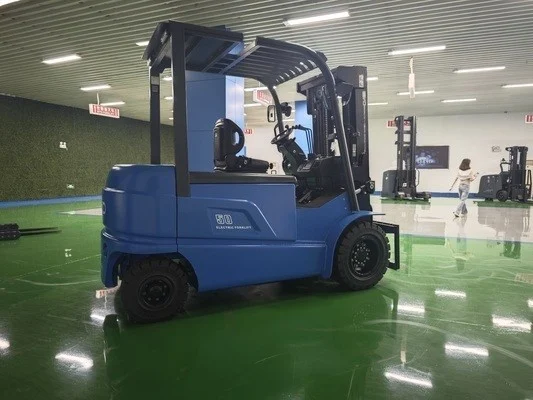
Modern 2 ton electric forklifts rely on sensitive motor controllers. Vibration from daily use can loosen wiring connections. Dust and moisture from manufacturing or cold storage facilities can also accumulate inside controller enclosures over time, contributing to overheating or short circuits. Inspect all major connections monthly and clean controller enclosures to prevent dust buildup that causes overheating.
Key Limitations Of Preventive Maintenance Programs
Even robust preventive protocols cannot reverse damage from improper use. Overloading beyond the 2 ton rated capacity, improper charging practices, and operating on uneven terrain outside design specifications will still shorten service life. Many operations push units past rated capacity to reduce total trips, a practice that creates cumulative hidden strain across every major component, regardless how consistent maintenance checks are. Teams must pair maintenance with consistent operator training to get maximum benefit.
Frequently Asked Questions
Common Questions About 2 Ton Electric Forklift Maintenance
How often should I complete full preventive maintenance on a 2 ton electric forklift in continuous shift operations?
Full maintenance intervals depend on operating hours and manufacturer recommendations. Most facilities schedule a full inspection every 200 operating hours during continuous shift use. Minor daily checks happen at each shift change, while more in-depth service occurs weekly or monthly based on usage intensity.
Can preventive maintenance really extend service life of this type of forklift?
Yes, addressing small issues early prevents cascading damage to major components. Catching a loose electrical connection before it causes controller failure, as one example, avoids thousands in repair costs and prevents premature unit replacement. Consistent maintenance also keeps performance consistent across years of use.
What is the most common maintenance mistake owners make with these units?
The most common mistake is skipping battery maintenance. Many teams only check batteries when performance drops, which allows irreversible capacity loss that forces early battery replacement. Daily visual checks and consistent charging habits keep batteries healthy much longer, which directly impacts overall forklift service life.
Do lithium-ion powered 2 ton electric forklifts need less preventive maintenance?
Yes, lithium-ion batteries eliminate regular electrolyte top-offs and have lower corrosion risk. However, these units still require regular checks of electrical systems, brakes, tires and hydraulics, especially during continuous shift operations.
Consistent preventive maintenance protocols create long-term value when operations rely on 2 ton electric forklifts. By scheduling regular checks aligned with shift intensity, addressing small issues immediately, and pairing maintenance with proper operator training, facilities can add years of usable service life to their equipment, lowering total ownership cost across the unit’s lifespan.