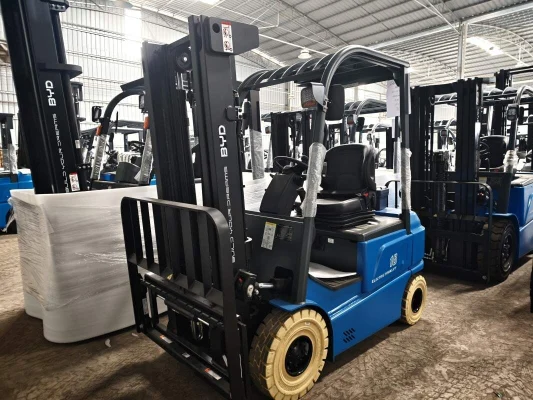
BYD Lithium Forklift: How to Audit Battery Room Ventilation and Fire Detection Before Commissioning a Four-Wheel Counterbalance Electric Forklift
News 12/11/2026
Commissioning a four-wheel counterbalance electric forklift involves more than checking the truck itself. The battery room—where lithium-ion packs are charged, stored, and sometimes swapped—needs a ventilation and fire-detection audit before the first shift. This article explains what to check, why it matters, and how to document results, with the BYD lithium forklift as the reference platform. The goal is a safer, more reliable launch, not a generic checklist.
Why a Pre-Commissioning Audit Matters
Lithium-ion batteries used in BYD four-wheel counterbalance electric forklifts differ from flooded lead-acid types in gas emission and thermal behavior. While they do not emit hydrogen during normal charging, they can release flammable and toxic gases if a cell fails, and they present a fire risk that water alone may not control. A proper audit confirms that the room can handle both routine charging and credible failure scenarios.
Regulations and standards vary by region and insurer. Common references include local fire codes, electrical installation rules, and manufacturer instructions. This article does not replace those documents; it helps you organize the checks and ask the right questions. Always verify requirements with the authority having jurisdiction and your insurance provider.
Ventilation Audit: Airflow, Temperature, and Charging Layout
Ventilation serves two purposes: removing heat generated during charging and dispersing any gases released by a battery event. The audit should confirm that airflow paths are unobstructed, that the charging area is separated from other operations where required, and that temperature stays within the battery manufacturer’s specified range.
Airflow and Room Configuration
- Verify that supply and exhaust openings are open, clean, and not blocked by stored goods or temporary partitions.
- Check that the charging area is located away from ignition sources, combustible materials, and high-traffic paths.
- Confirm that the room has enough free volume and that any mechanical ventilation system is functional and interlocked with charging equipment where required.
- Measure airflow at exhaust points if the design calls for a specific rate; record actual readings against the design specification.
Temperature and Humidity
Lithium-ion charging generates heat, and high ambient temperature can shorten battery life or trigger protective derating. Use a calibrated thermometer to record room temperature at the start and end of a full charge cycle. Compare results with the battery datasheet; do not guess acceptable limits. Humidity control may also be needed if the site is in a damp environment, but follow manufacturer guidance rather than general assumptions.
Charging Equipment and Cable Management
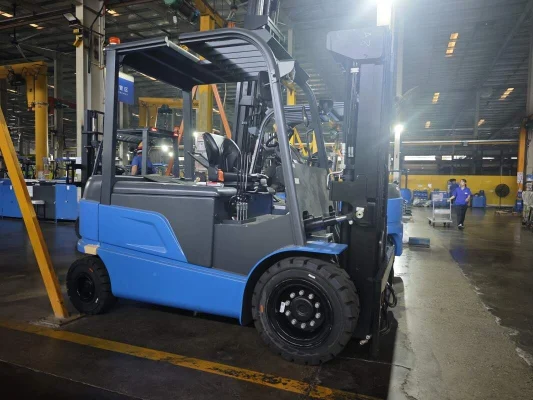
Inspect chargers, connectors, and cables for damage or wear. Confirm that charger ratings match the battery pack and that ventilation around chargers is not restricted. Keep charging cables off the floor where they could be damaged by the forklift, and use cable management systems that do not block airflow.
Fire Detection and Suppression Readiness
Fire detection in a lithium battery room should aim to detect abnormal temperature rise, smoke, or gas release early. The audit should confirm that detection devices are installed, powered, and tested, and that suppression or response measures are appropriate for lithium battery fires.
Detection Devices
- Check that smoke detectors or combined smoke/heat detectors are present and within their service life.
- Verify that detection covers the charging area, storage racks, and any battery swap zone.
- Test alarm signals to a monitored location and confirm that staff can hear and recognize them.
- If gas detection is installed, confirm it targets the relevant gases and is calibrated; do not assume a generic detector is suitable.
Suppression and Response
Lithium battery fires can reignite and may require specific extinguishing agents. Confirm that portable extinguishers are rated for electrical and lithium battery fires where applicable, and that staff know how to use them. If a fixed suppression system is installed, verify its design basis and maintenance record. Do not rely on water sprinklers alone without confirming they are part of an approved design.
Emergency Procedures and Signage
Post clear emergency procedures near the charging area, including how to isolate power and who to call. Confirm that emergency lighting and exit routes are unobstructed. Train staff on the specific risks of lithium batteries and the location of isolation switches.
Audit Checklist and Documentation
Use a structured checklist to record findings and corrective actions. The table below summarizes key items; adapt it to your site and local requirements.
| Area | Check Item | Pass/Fail | Notes |
|---|---|---|---|
| Ventilation | Exhaust openings clear and airflow measured | ||
| Ventilation | Room temperature within battery datasheet range | ||
| Ventilation | Chargers and cables undamaged, ratings matched | ||
| Fire detection | Detectors installed, tested, and within service life | ||
| Fire detection | Alarm signals monitored and audible | ||
| Suppression | Extinguishers suitable and accessible | ||
| Emergency | Procedures posted, staff trained |
Document readings, photos, and corrective actions. Keep records with the forklift commissioning file. If an item fails, define a responsible person and a completion date before allowing charging operations.
Frequently Asked Questions
Does a BYD lithium forklift battery room need mechanical ventilation?
It depends on the installation and local codes. Lithium batteries do not produce hydrogen during normal charging like lead-acid batteries, but they generate heat and can release gases if a cell fails. Mechanical ventilation may be required by fire codes or insurer requirements, or recommended by the battery manufacturer. Check the battery datasheet and consult the authority having jurisdiction.
Can I use a standard smoke detector in a lithium battery room?
Standard smoke detectors can provide early warning, but lithium battery fires may produce different smoke characteristics. Some sites use combined smoke and heat detection or gas detection. The right choice depends on the risk assessment and local requirements. Do not assume one detector type fits all; verify with a fire protection specialist.
What fire extinguisher is suitable for a lithium-ion forklift battery?
Class D extinguishers are designed for combustible metals, but lithium-ion battery fires are often classed as Class B or C depending on the scenario. Some manufacturers specify water-based systems or specific agents. Confirm the extinguisher rating with the battery manufacturer and fire protection guidance. Never use a water extinguisher on a live electrical fire unless the equipment is de-energized and the extinguisher is rated for the application.
How often should the ventilation and detection systems be audited?
Before commissioning and after any modification, at minimum. Many sites also perform periodic checks as part of maintenance. The frequency should be set by local regulations, insurer requirements, and the manufacturer’s recommendations. Record each audit and keep it with the equipment records.
Next Steps and Scope Note
Before commissioning your BYD four-wheel counterbalance electric forklift, complete the ventilation and fire-detection audit, correct any deficiencies, and file the documentation. This article covers general audit principles; it does not certify compliance. For site-specific requirements, consult a qualified fire protection engineer and your local authority. If you are evaluating a BYD lithium forklift, provide your actual operating conditions—load weight, lift height, shift pattern, and charging layout—so the configuration can be checked against your needs. The scope of this site is four-wheel counterbalance electric forklifts; other truck types are outside this discussion.